


The Skill That Separates Software Engineers from Programmers
One of the most common mistakes students make while learning programming is spending countless hours memorizing syntax, functions, framework commands, and library methods while ignoring how software systems actually work.
Many students know:
- Java Syntax
- Python Functions
- JavaScript Methods
- Framework Commands
Yet when asked to design a real-world application, troubleshoot a production issue, or build a scalable software system, they often struggle.
Why?
Because successful software engineering is not about memorizing syntax.
It is about understanding systems.
In today’s software industry, developers who understand how systems work are significantly more valuable than developers who simply remember programming commands.
Syntax can be searched, learned, and even generated by AI. System thinking, however, requires understanding, experience, and engineering judgment.
What is Syntax?
Syntax refers to the rules and structure of a programming language.
Examples include:
Java
- Classes
- Interfaces
- Methods
Python
- Functions
- Loops
- List Comprehensions
JavaScript
- Arrow Functions
- Promises
- Async/Await
Syntax helps developers communicate instructions to computers.
It is important but only represents a small part of software development.
What Does Understanding Systems Mean?
System understanding means knowing how different components interact to deliver functionality.
This includes:
- Frontend Applications
- Backend Services
- Databases
- APIs
- Authentication Systems
- Cloud Infrastructure
- Networking
Software engineers think about the entire ecosystem rather than individual pieces of code.
Why Syntax Becomes Less Important Over Time
Every programming language has documentation.
Developers can quickly search:
- Function Names
- Commands
- Framework Usage
- Library Methods
Even experienced engineers frequently reference documentation.
What they cannot quickly search is deep understanding of:
- Architecture
- Scalability
- Performance
- Reliability
These skills come from system thinking.
Real Example: Login Feature
A beginner thinks:
“How do I write the login function?”
A software engineer thinks:
- How will authentication work?
- How will passwords be stored securely?
- How will sessions be managed?
- How will the system scale?
- What happens if the database fails?
This difference represents system-level thinking.
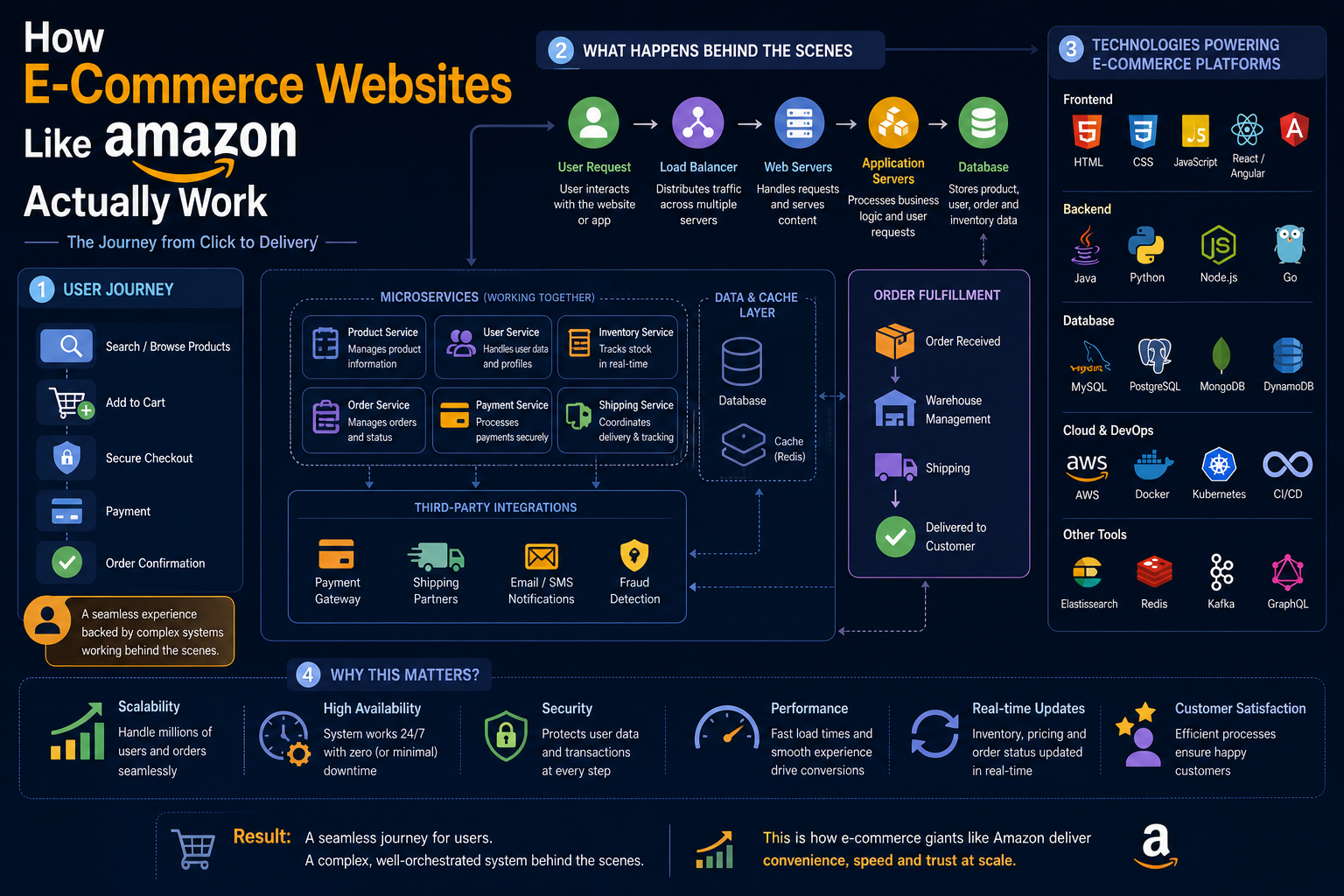
Understanding How Applications Actually Work
Most modern applications involve multiple components.
Examples include:
Frontend
User interface.
Backend
Business logic.
Database
Data storage.
APIs
Communication between systems.
Cloud Services
Hosting and deployment.
Developers who understand these relationships build better software.
Why Companies Value System Thinkers
Organizations hire engineers to solve business problems.
Companies rarely care whether developers remember every syntax rule.
Instead they care whether developers can:
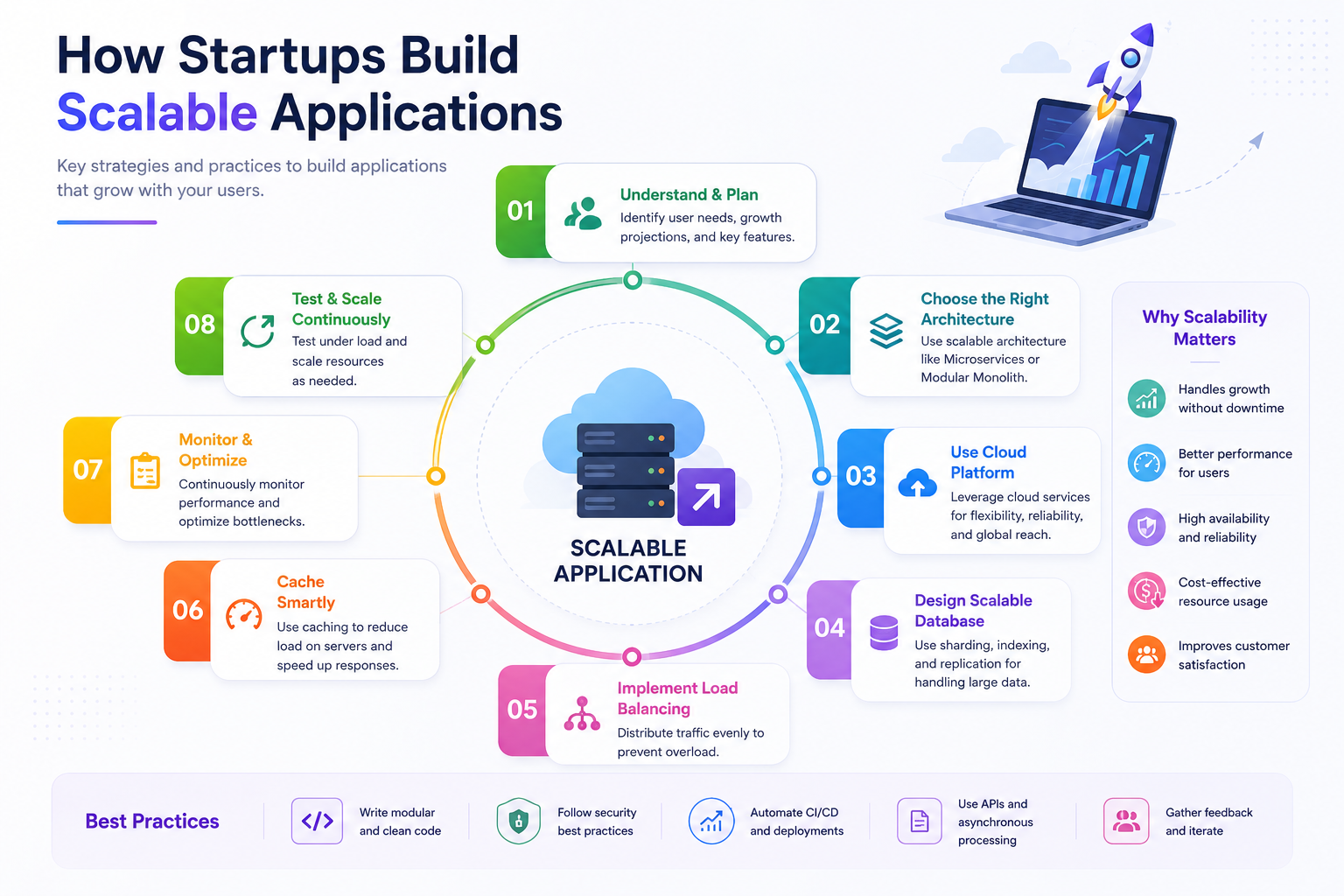
- Build Scalable Applications
- Solve Performance Issues
- Design Reliable Systems
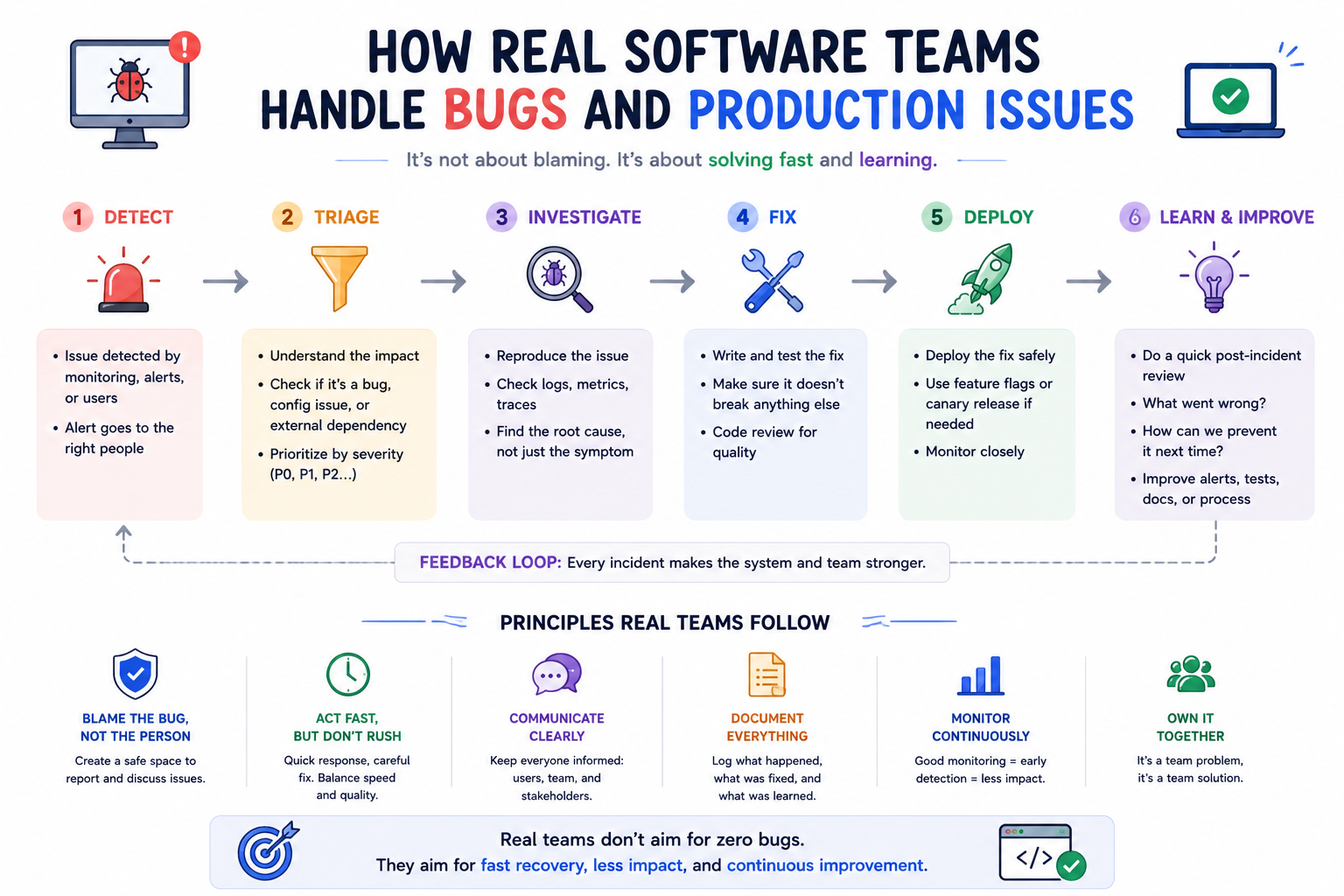
- Troubleshoot Production Problems
These abilities require understanding systems.
System Thinking Helps You Learn New Technologies Faster
A student focused on syntax may struggle when switching languages.
A system-focused engineer adapts quickly.
For example:
A developer who understands:
- Databases
- APIs
- Networking
- Authentication
can learn:
- Java
- Python
- Go
- Node.js
much faster because the underlying concepts remain similar.
Why AI Makes System Knowledge More Important
Modern AI tools can generate:
- Functions
- Classes
- APIs
- Documentation
within seconds.
As AI improves, memorizing syntax becomes even less valuable.
What AI cannot fully replace is:
- System Design
- Architectural Decisions
- Business Context
- Engineering Judgment
This is why system understanding becomes a competitive advantage.
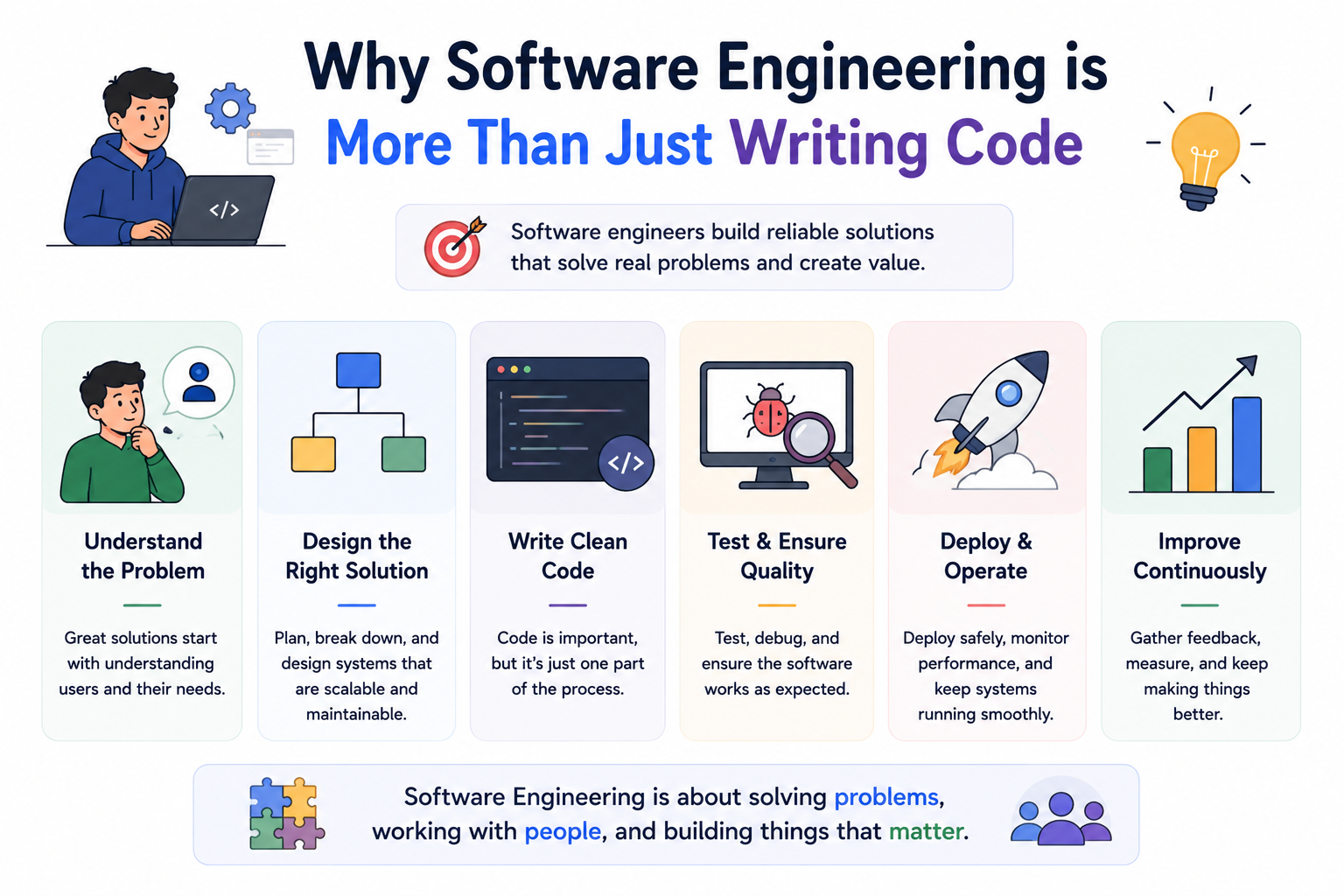
The Difference Between Coding and Engineering
Coding
Focuses on:
- Writing Instructions
- Learning Syntax
- Building Features
Engineering
Focuses on:
- Designing Systems
- Understanding Trade-Offs
- Solving Problems
- Creating Scalable Solutions
Software engineering extends far beyond programming language knowledge.
Understanding Databases
Many students learn queries but fail to understand database design.
Engineers think about:
- Data Relationships
- Indexing
- Performance
- Scalability
Poor database design can impact entire systems regardless of programming language.
Understanding APIs
Modern software relies heavily on APIs.
Developers should understand:
- Request Handling
- Response Structures
- Authentication
- Rate Limiting
API knowledge transfers across technologies.
Understanding Networking
Software systems communicate over networks.
Important concepts include:
- DNS
- HTTP
- HTTPS
- TCP/IP
- Load Balancing
Understanding networking improves troubleshooting and system design skills.
Understanding Cloud Computing
Modern applications run on cloud platforms.
Developers should understand:
- Hosting
- Deployment
- Storage
- Scalability
Cloud knowledge helps engineers think beyond local development environments.
Understanding Software Architecture
Architecture determines how systems are structured.
Examples:
- Monolithic Applications
- Microservices
- Event-Driven Systems
Architecture affects:
- Performance
- Reliability
- Maintainability
This knowledge is far more valuable than memorizing syntax.
Understanding Scalability
A program that works for 10 users may fail for 100,000 users.
System thinkers ask:
- How will traffic increase?
- How will data grow?
- How will performance remain stable?
Scalability is a system challenge, not a syntax challenge.
Understanding Security
Software engineers must consider:
- Authentication
- Authorization
- Encryption
- Data Protection
Security requires system-level thinking.
Programming syntax alone cannot secure applications.
Why System Thinking Improves Debugging
When applications fail, engineers investigate:
- Databases
- APIs
- Infrastructure
- Logs
- Network Requests
Understanding systems makes debugging faster and more effective.
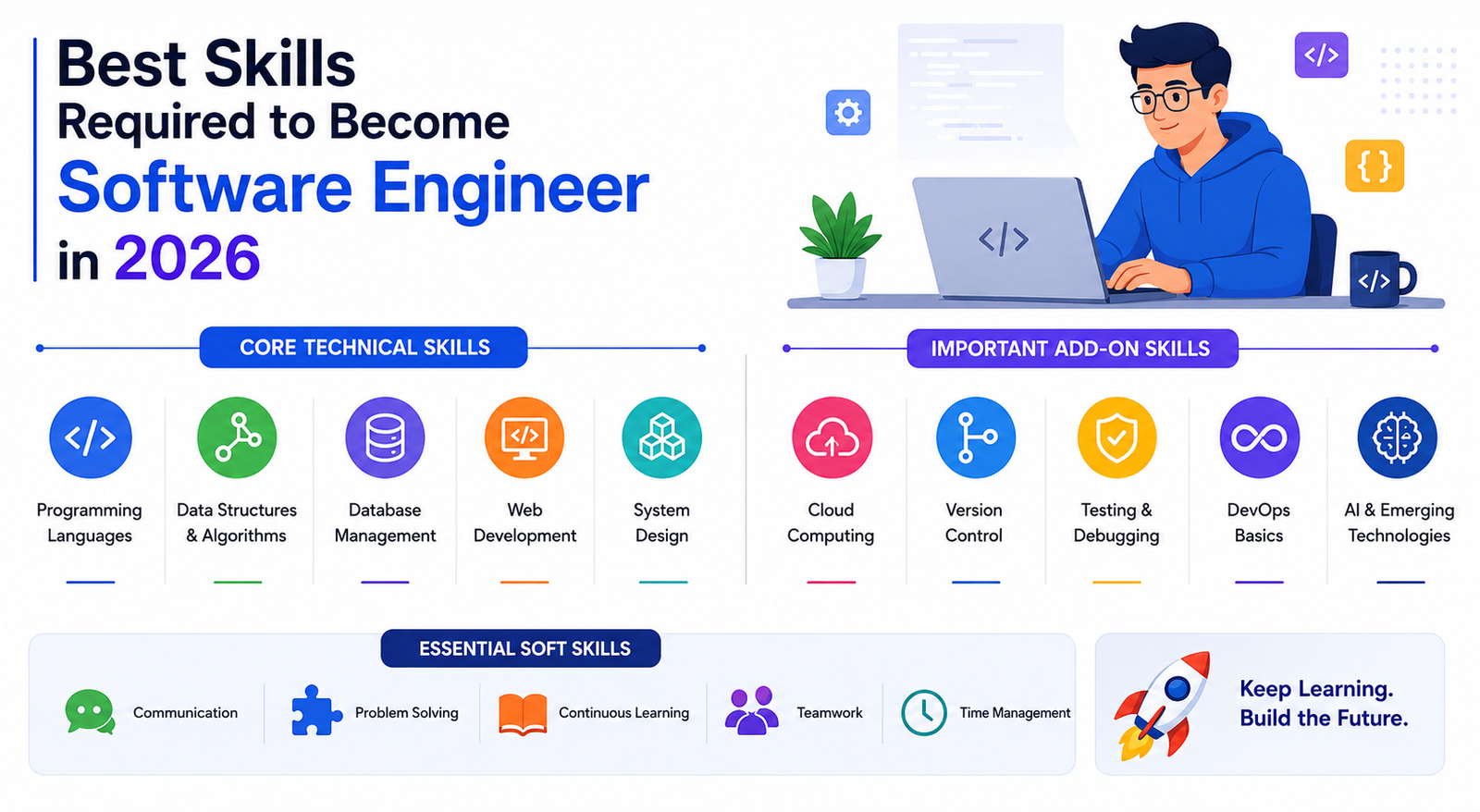
Skills That Create System Thinkers
Database Design
Understanding data architecture.
Networking
Understanding communication.
System Design
Understanding scalability.
Software Architecture
Understanding structure.
Cloud Computing
Understanding deployment.
DevOps
Understanding operations.
These skills create well-rounded engineers.
Common Mistakes Students Make
Memorizing Syntax Without Understanding Concepts
Knowledge becomes fragile.
Chasing Frameworks
Tools change frequently.
Ignoring Architecture
Systems become difficult to scale.
Avoiding Real Projects
Projects teach system interactions.
Learning Only One Layer
Modern software requires broader understanding.
How to Develop System Thinking
Build Full-Stack Projects
Understand complete workflows.
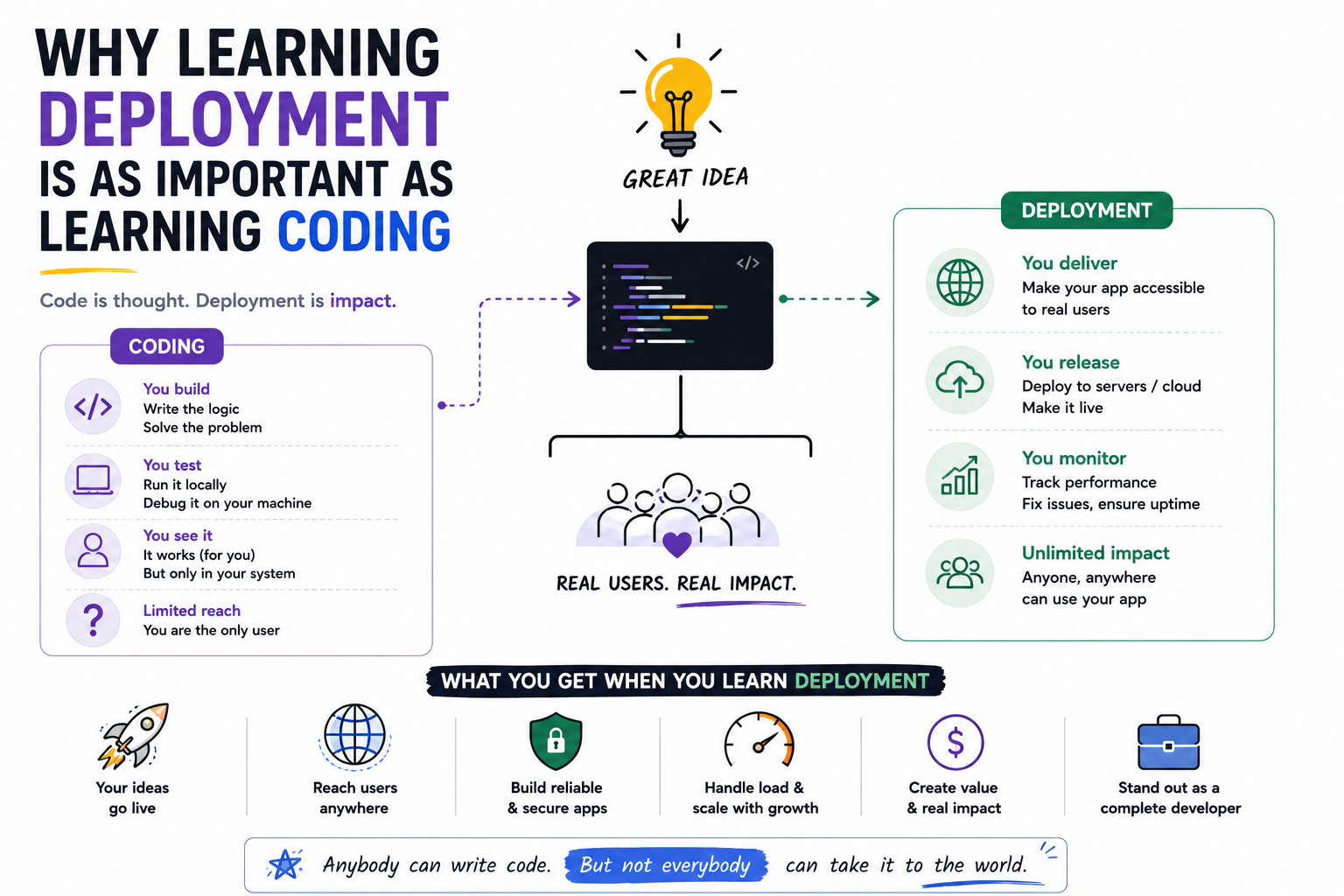
Learn Deployment
See how software reaches users.
Study System Design
Think beyond features.
Explore Cloud Platforms
Understand modern infrastructure.
Read Software Architectures
Learn how large systems operate.
Debug Real Applications
Gain practical insights.
These experiences develop engineering thinking.
Why Recruiters Value System Knowledge
Recruiters increasingly seek candidates who can:
✅ Solve Problems
✅ Design Systems
✅ Understand Architecture
✅ Learn Quickly
✅ Adapt to New Technologies
System understanding often matters more than memorizing language syntax.
Future of Software Development
As AI continues automating repetitive coding tasks, developers who understand systems will become even more valuable.
The future software engineer will spend more time:
- Designing Solutions
- Evaluating Trade-Offs
- Building Architectures
- Solving Business Problems
and less time memorizing syntax.
Frequently Asked Questions
Is syntax important?
Yes, but it should support understanding rather than replace it.
Can system knowledge help with interviews?
Absolutely. System thinking is valuable in technical and architectural discussions.
Why do experienced engineers still use documentation?
Because remembering syntax is less important than understanding concepts.
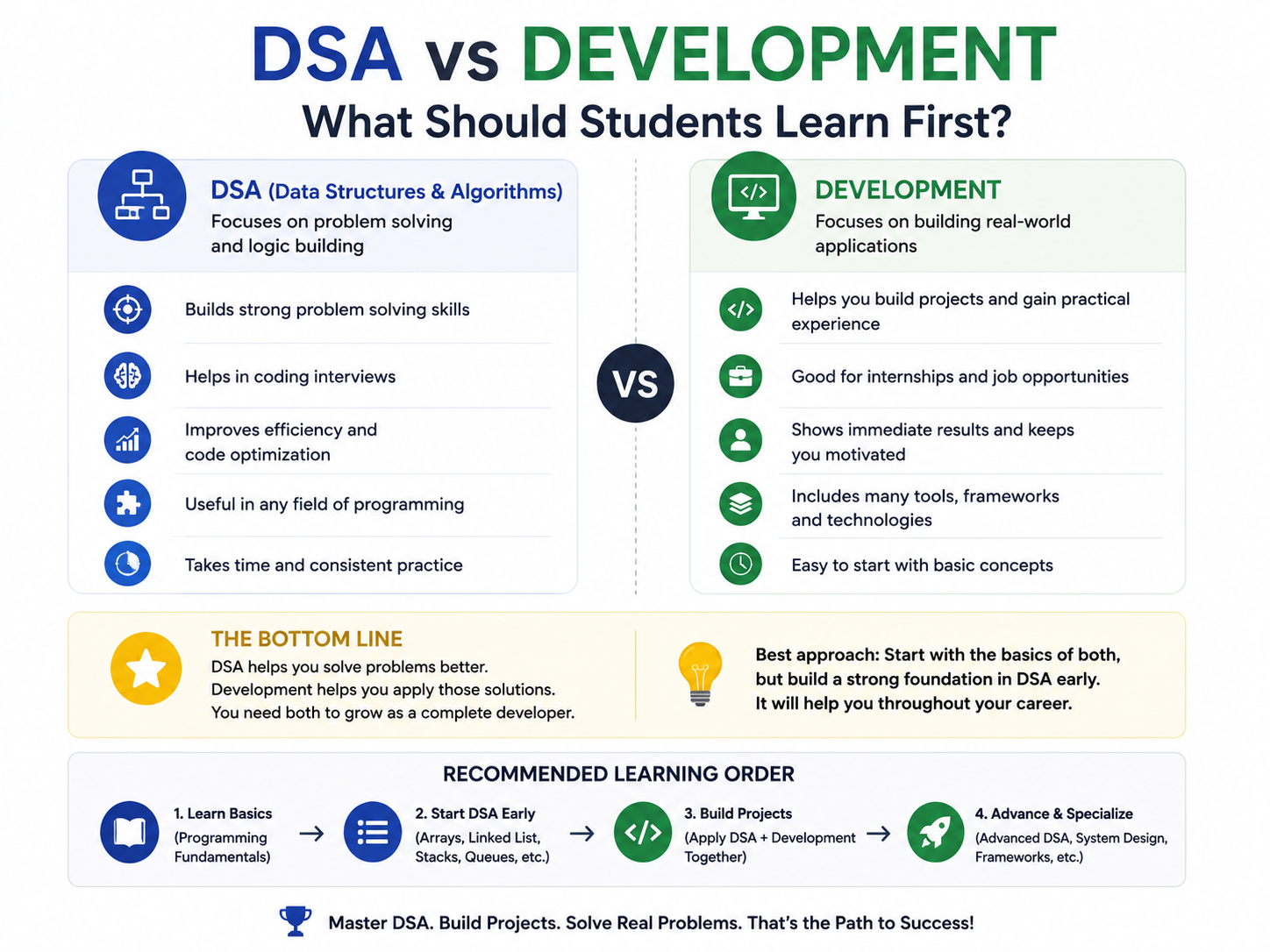
What should students focus on first?
Programming fundamentals followed by systems, databases, networking, and architecture.
Conclusion
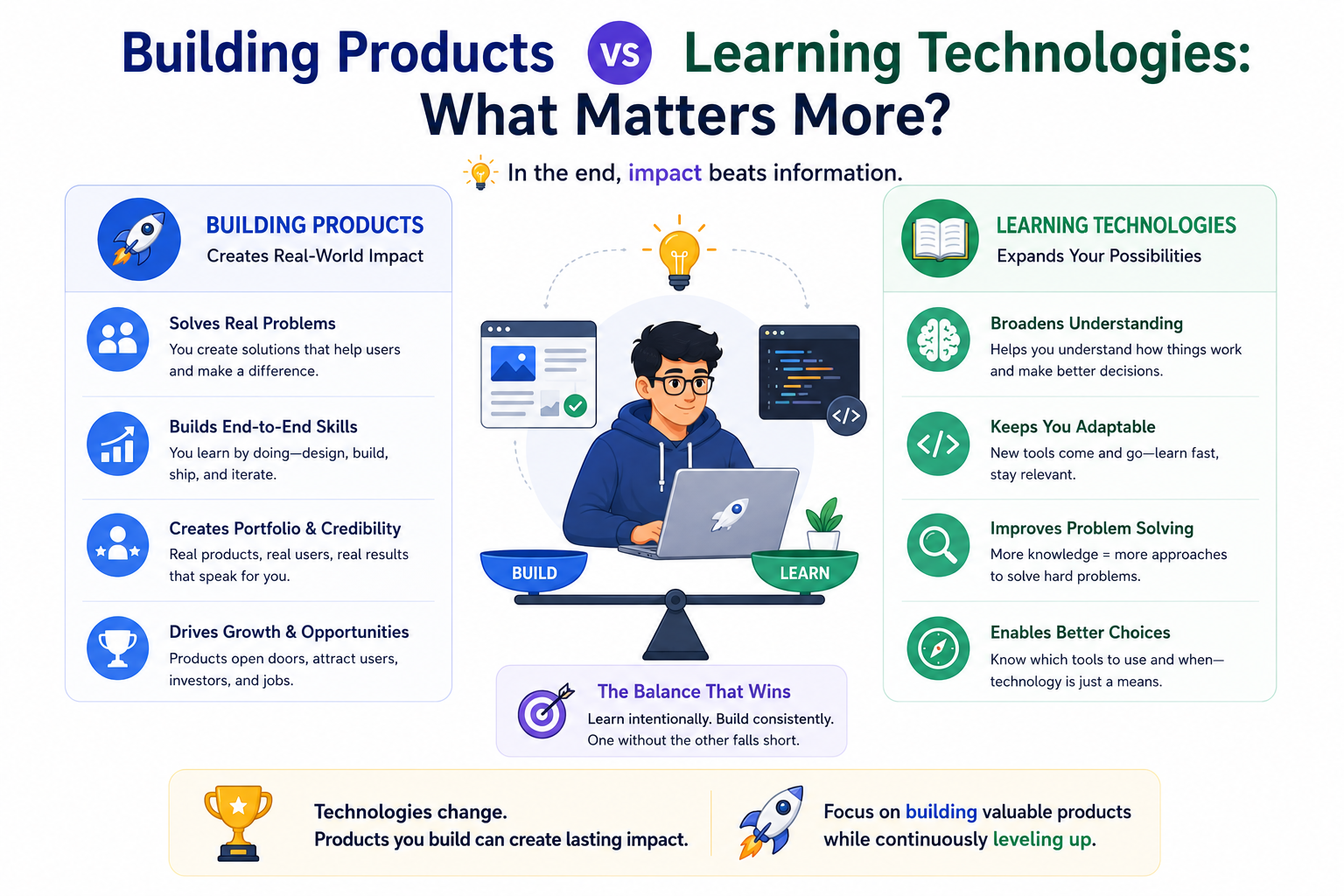
Understanding systems is far more valuable than memorizing syntax because software engineering is about solving problems, designing architectures, and building reliable applications. Syntax changes, frameworks evolve, and AI can generate code, but system thinking remains one of the most important skills in technology.
Students who focus on databases, networking, system design, architecture, cloud computing, and real-world projects develop the mindset required for long-term success. The best software engineers are not those who remember the most commands—they are those who understand how entire systems work together to create value.
🌐 Website: https://grootacademy.com
📺 YouTube: https://www.youtube.com/@YourGrootAcademy
📘 Facebook: http://facebook.com/GrootAcademy
📸 Instagram: https://www.instagram.com/groot.academy/
🐦 X: https://x.com/GrootAcademy
💼 LinkedIn: https://www.linkedin.com/company/grootacademy
📌 Pinterest: https://in.pinterest.com/mygrootacademy/