


Why Real-World Projects Are Essential for Becoming a Better Developer
Many students spend months learning programming languages, watching tutorials, reading documentation, and completing coding exercises. While these activities are important, one of the biggest challenges students face is applying their knowledge to real-world situations.
This is where live projects make a significant difference.
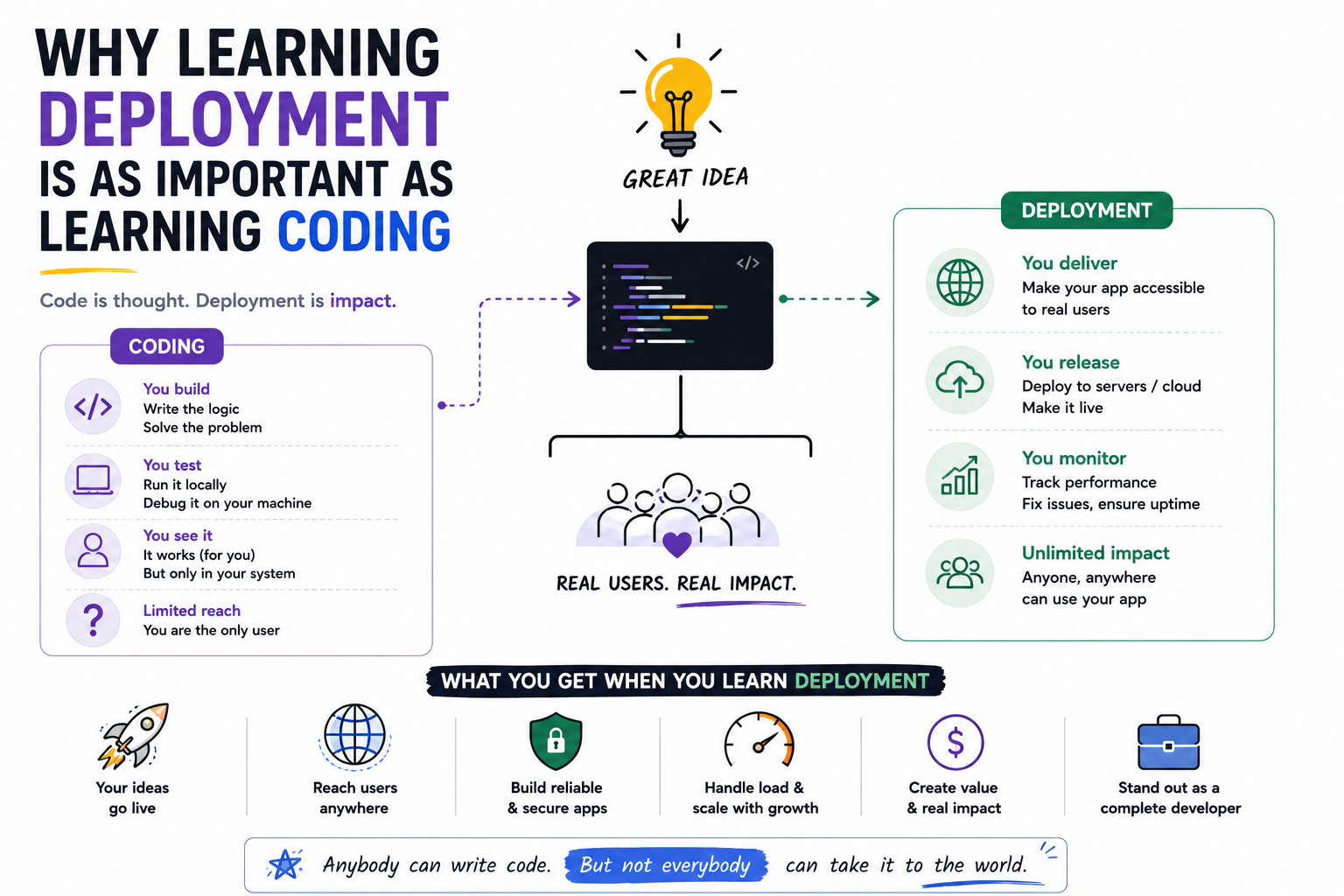
Live projects help students move beyond theory and experience how software is actually built, tested, deployed, and maintained in professional environments. Whether you’re learning Python, Java, C++, JavaScript, Full Stack Development, Artificial Intelligence, Data Science, or Mobile App Development, working on live projects can dramatically improve your programming skills and career readiness.
In fact, many employers value practical project experience more than certifications because it demonstrates a candidate’s ability to solve real problems and work on production-level applications.
What Are Live Projects?
Live projects are real-world software applications developed to solve actual business or user problems.
Unlike academic assignments, live projects often involve:
- Real Requirements
- Real Users
- Real Data
- Real Challenges
- Real Deadlines
Examples include:
- E-Commerce Websites
- School Management Systems
- Hospital Management Software
- AI Chatbots
- Mobile Applications
- CRM Platforms
- ERP Systems
- Data Analytics Dashboards
These projects provide hands-on experience that closely resembles professional software development.
Why Programming Skills Improve Faster with Live Projects
Learning by Doing
Programming is a practical skill.
Just as you cannot learn driving by reading a book alone, you cannot become a strong programmer by only watching tutorials.
Live projects force developers to:
- Write code
- Fix bugs
- Test applications
- Optimize performance
- Solve real problems
This accelerates learning significantly.
Understanding Real Software Architecture
Tutorial projects are often small and simplified.
Live projects expose students to:
- Multi-layer Applications
- APIs
- Databases
- Authentication Systems
- Deployment Pipelines
- Cloud Infrastructure
These concepts are commonly used in professional software development.
Better Problem-Solving Skills
Every live project presents challenges such as:
- Unexpected Bugs
- Database Issues
- Performance Problems
- Security Concerns
- User Experience Challenges
Solving these issues improves analytical thinking and debugging abilities.
Skills Developed Through Live Projects
Programming Skills
Students strengthen their understanding of:
- Python
- Java
- JavaScript
- C++
- PHP
- C#
Database Management
Projects often require:
- SQL Queries
- Database Design
- Data Relationships
- Performance Optimization
Frontend Development
Students learn:
- HTML
- CSS
- JavaScript
- ReactJS
- Angular
Backend Development
Students gain experience with:
- Node.js
- Spring Boot
- Django
- ASP.NET
Cloud and Deployment
Many live projects involve:
- AWS
- Azure
- Google Cloud
- Docker
- Kubernetes
These skills are highly valued by employers.
How Live Projects Improve Debugging Skills
Debugging is one of the most important skills for software developers.
Live projects help students learn how to:
- Identify Issues
- Trace Errors
- Analyze Logs
- Fix Production Problems
These experiences are difficult to gain through theoretical learning alone.
Learning Team Collaboration
Software development is rarely a solo activity.
Live projects often require collaboration with:
- Developers
- Designers
- Testers
- Project Managers
- Clients
Students learn:
- Communication
- Version Control
- Teamwork
- Agile Practices
Importance of Git and GitHub
Most live projects use version control systems.
Students learn:
- Git
- GitHub
- Branching
- Pull Requests
- Code Reviews
These tools are used by software companies worldwide.
Live Projects vs Tutorial Projects
Tutorial Projects
Advantages:
- Beginner Friendly
- Structured Learning
Limitations:
- Predictable Outcomes
- Simplified Requirements
Live Projects
Advantages:
- Real Challenges
- Industry Exposure
- Professional Experience
- Strong Portfolio Development
For long-term growth, live projects provide significantly greater value.
How Live Projects Help During Interviews
Recruiters often ask:
- What projects have you worked on?
- What challenges did you face?
- How did you solve technical issues?
- What technologies did you use?
Students with live project experience can answer these questions confidently and provide practical examples.
Career Benefits of Live Projects
Students who work on live projects often:
- Learn Faster
- Build Stronger Portfolios
- Improve Technical Confidence
- Gain Internship Opportunities
- Receive More Interview Calls
- Become Job-Ready Sooner
Popular Live Project Domains
Web Development
- E-Commerce Platforms
- Booking Systems
- Learning Portals
Artificial Intelligence
- Chatbots
- Recommendation Systems
- Image Recognition
Data Science
- Sales Prediction
- Customer Analytics
- Business Dashboards
Mobile App Development
- Food Delivery Apps
- Fitness Apps
- Learning Applications
Cloud Computing
- Cloud Deployment Projects
- Infrastructure Automation
Common Mistakes Students Make
Avoiding Complex Projects
Growth happens when solving difficult problems.
Focusing Only on Courses
Projects are necessary for practical learning.
Not Documenting Work
Documentation improves project quality.
Ignoring Testing
Testing is essential in professional development.
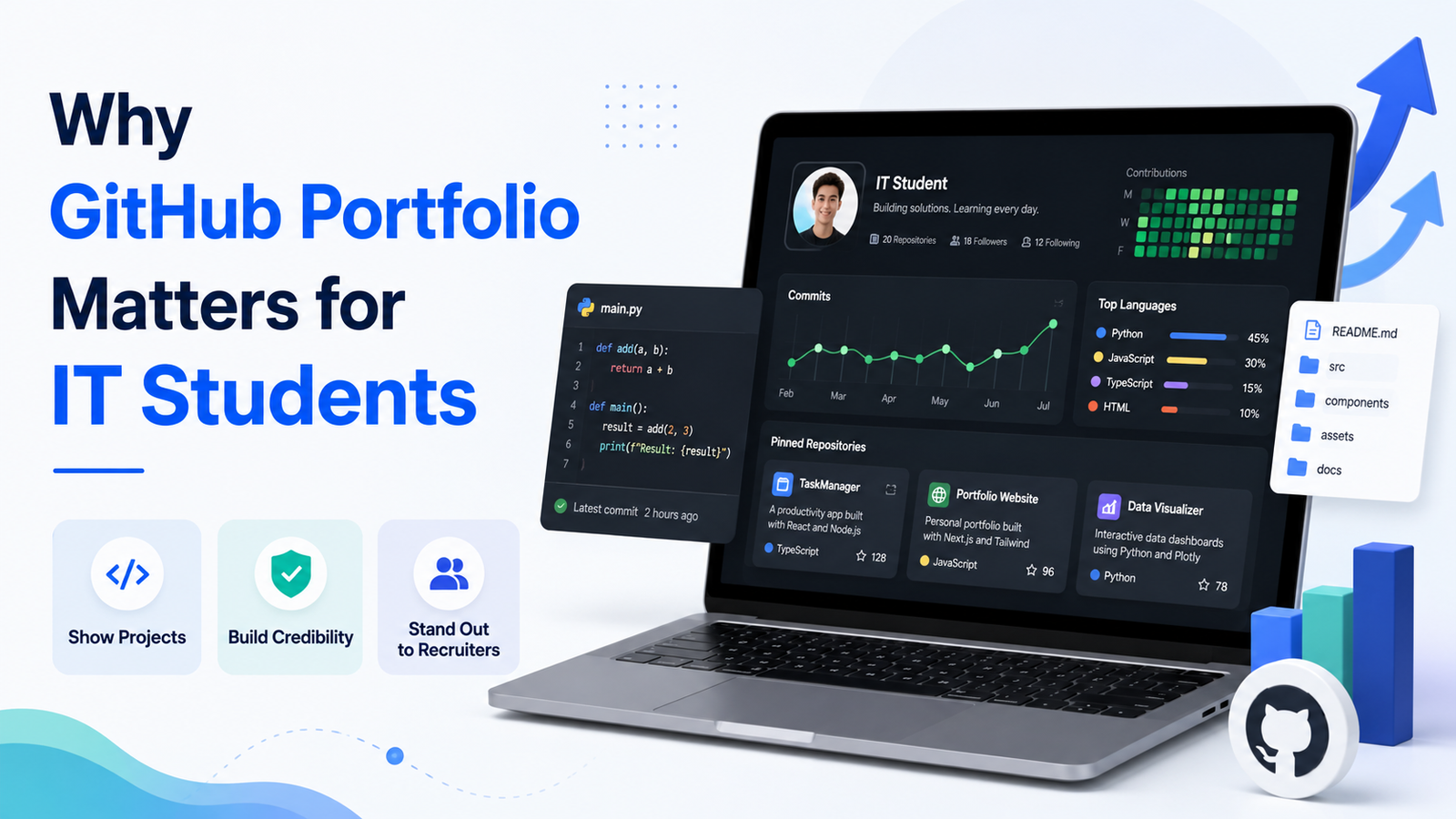
Not Maintaining GitHub Profiles
GitHub portfolios help showcase practical experience.
Why Recruiters Value Live Projects
Recruiters often view live projects as evidence of:
- Practical Skills
- Problem Solving
- Technical Knowledge
- Team Collaboration
- Industry Readiness
This is why project experience frequently becomes a deciding factor during hiring.
Conclusion
Live projects provide one of the most effective ways to improve programming skills. They help students apply theoretical knowledge, solve real-world problems, learn industry tools, and gain practical experience that employers value.
Students who consistently work on live projects become stronger developers, build better portfolios, and improve their chances of securing internships and software jobs.
If your goal is to become a skilled programmer and accelerate your career growth, start working on live projects as early as possible.
🌐 Website: https://grootacademy.com
📺 YouTube: https://www.youtube.com/@YourGrootAcademy
📘 Facebook: http://facebook.com/GrootAcademy
📸 Instagram: https://www.instagram.com/groot.academy/
🐦 X: https://x.com/GrootAcademy
💼 LinkedIn: https://www.linkedin.com/company/grootacademy
📌 Pinterest: https://in.pinterest.com/mygrootacademy/