


Why the Future Belongs to Developers Who Understand Software Engineering and Artificial Intelligence
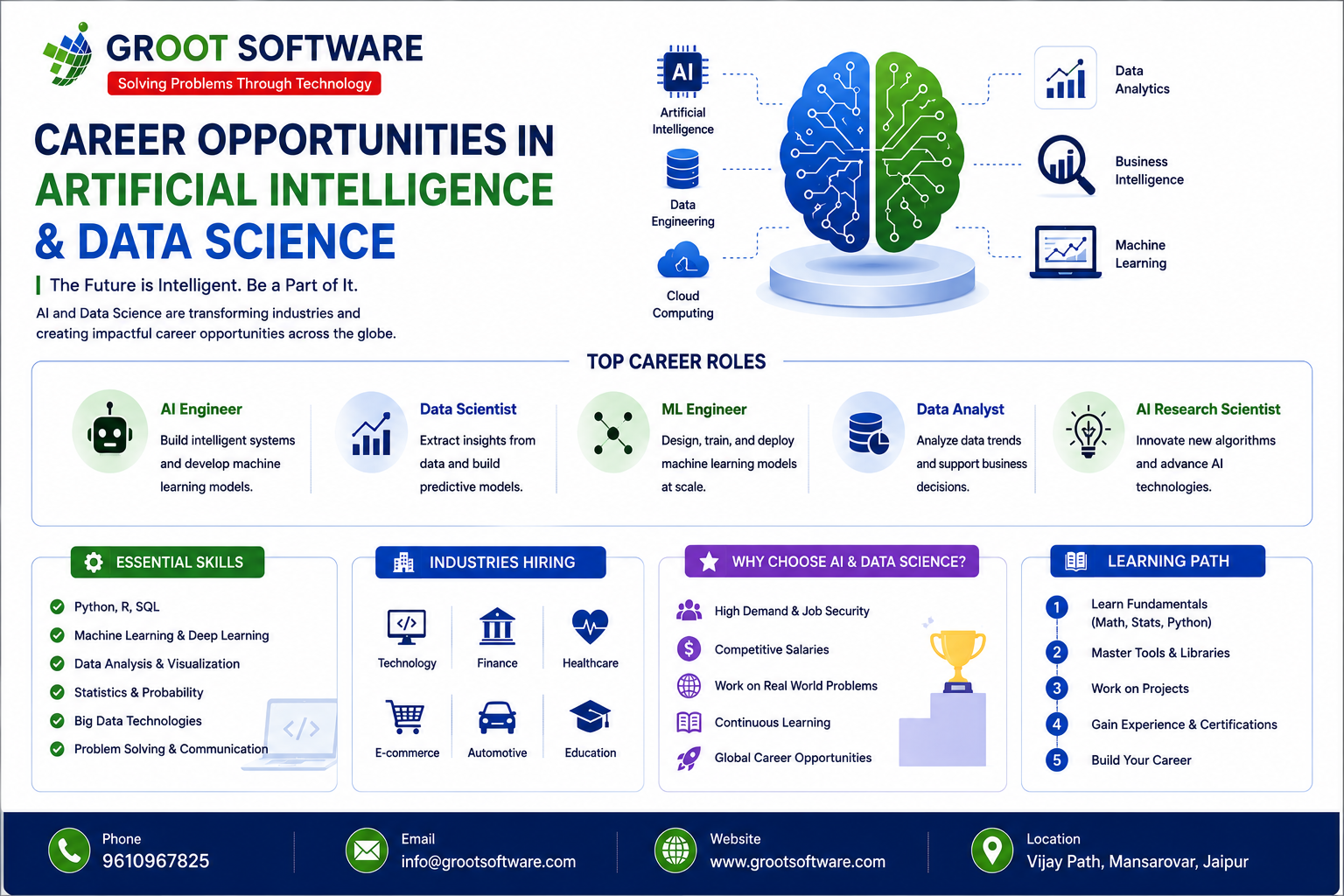
The technology industry is experiencing a major transformation. Artificial Intelligence is no longer limited to research labs or data science teams. Today, AI is being integrated into websites, mobile applications, enterprise software, e-commerce platforms, healthcare systems, financial products, and countless other applications.
As organizations race to adopt AI, a new type of professional is emerging:
The Full-Stack AI Engineer.
Unlike traditional developers who focus only on frontend or backend development, Full-Stack AI Engineers understand how to build complete software products while also integrating artificial intelligence into real-world applications.
This combination of software engineering and AI expertise is becoming one of the most valuable skill sets in the technology industry.
What is a Full-Stack AI Engineer?
A Full-Stack AI Engineer is a professional who can:
- Build Frontend Applications
- Develop Backend Systems
- Design Databases
- Create APIs
- Deploy Applications
- Integrate AI Models
- Work with Cloud Infrastructure
- Build End-to-End AI Products
Instead of focusing only on AI model training, these engineers understand how AI becomes part of a complete software solution.
Why Traditional AI Roles Are Changing
For years, many AI professionals focused primarily on:
- Model Training
- Data Analysis
- Machine Learning Algorithms
- Research
While these skills remain valuable, companies increasingly need professionals who can:
- Build Products
- Deploy Models
- Create APIs
- Design User Interfaces
- Scale Applications
AI creates value only when it reaches users.
This is why Full-Stack AI Engineers are becoming increasingly important.
The Evolution of Software Development
The industry has evolved through several stages:
Software Developer
Focused on application development.
Full-Stack Developer
Managed frontend and backend systems.
Cloud Engineer
Focused on deployment and infrastructure.
AI Engineer
Focused on machine learning and AI systems.
Full-Stack AI Engineer
Combines all these capabilities into a single workflow.
This role bridges the gap between AI research and software products.
Why Companies Need Full-Stack AI Engineers
Many organizations face a common challenge:
AI models exist.
Software teams exist.
But integrating AI into production applications can be difficult.
Full-Stack AI Engineers solve this problem by understanding both domains.
They can:
- Build AI-Powered Applications
- Connect Models to APIs
- Deploy Solutions
- Improve User Experiences
This reduces dependency between separate teams.
Core Skills of a Full-Stack AI Engineer
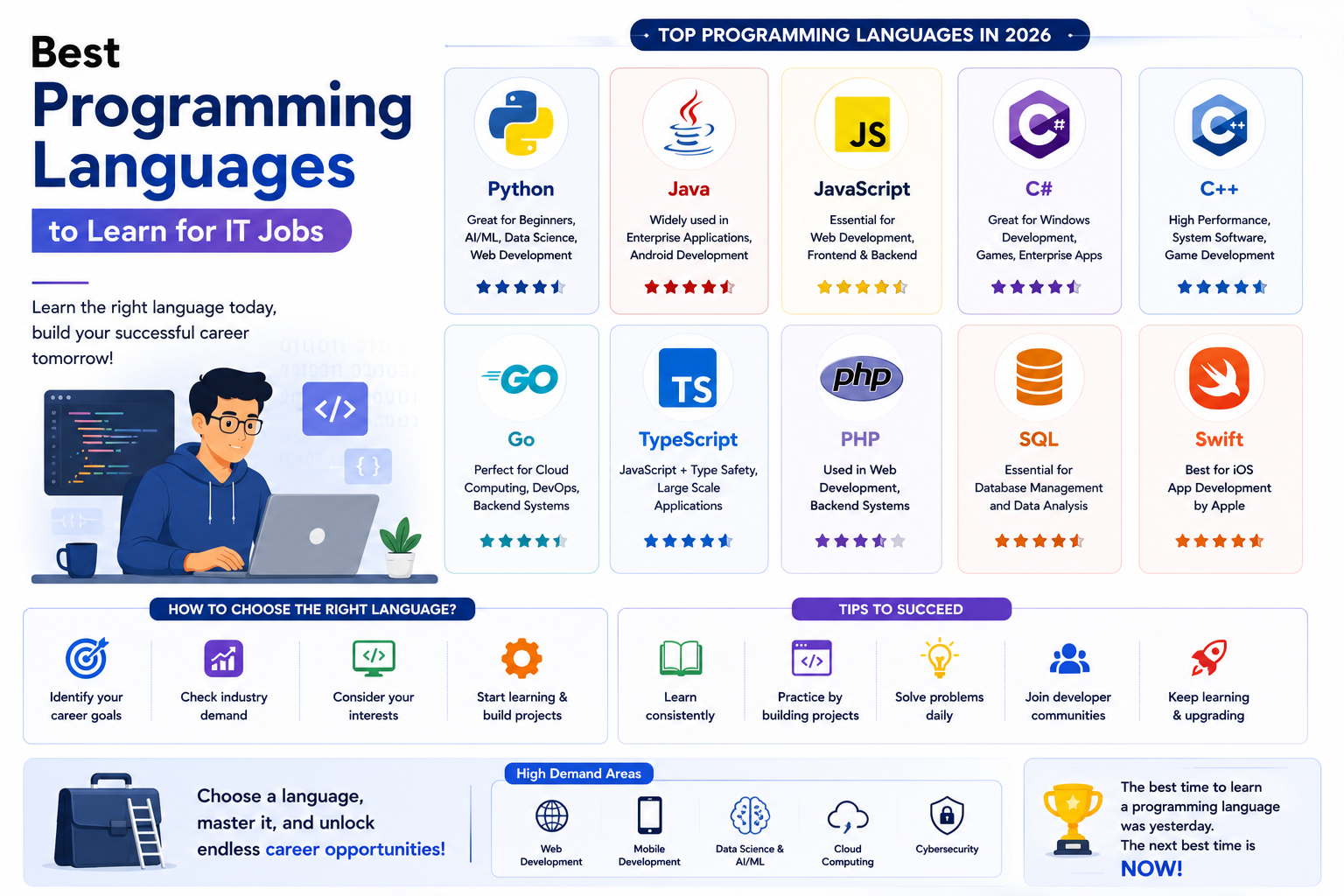
Programming
Strong foundations in:
- Python
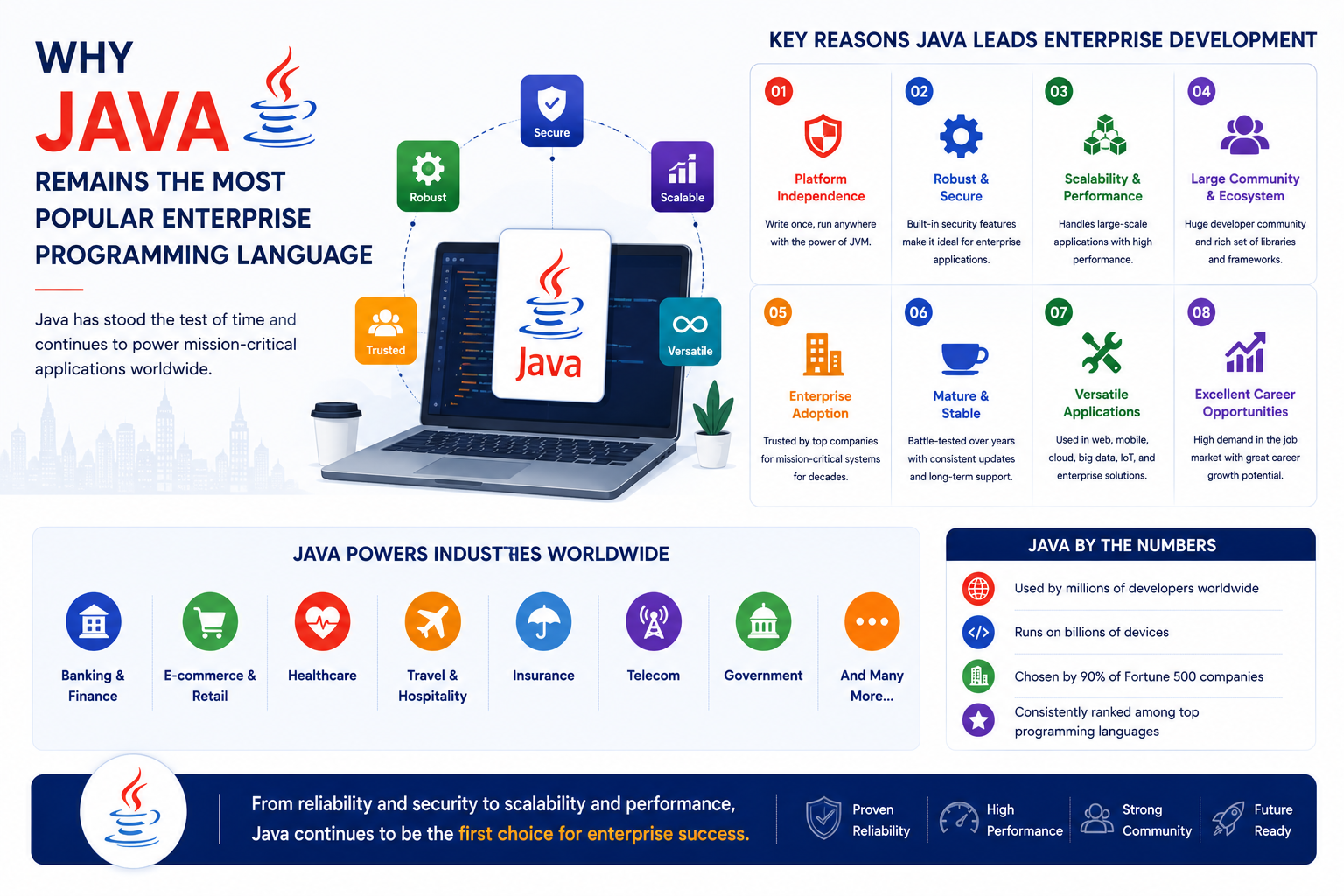
- Java
- JavaScript
- TypeScript
Programming remains essential.
Frontend Development
Building interfaces using:
- React
- Angular
- Vue
Users interact with AI through applications.
Frontend skills remain important.
Backend Development
Developing APIs and services using:
- Spring Boot
- Node.js
- Django
- FastAPI
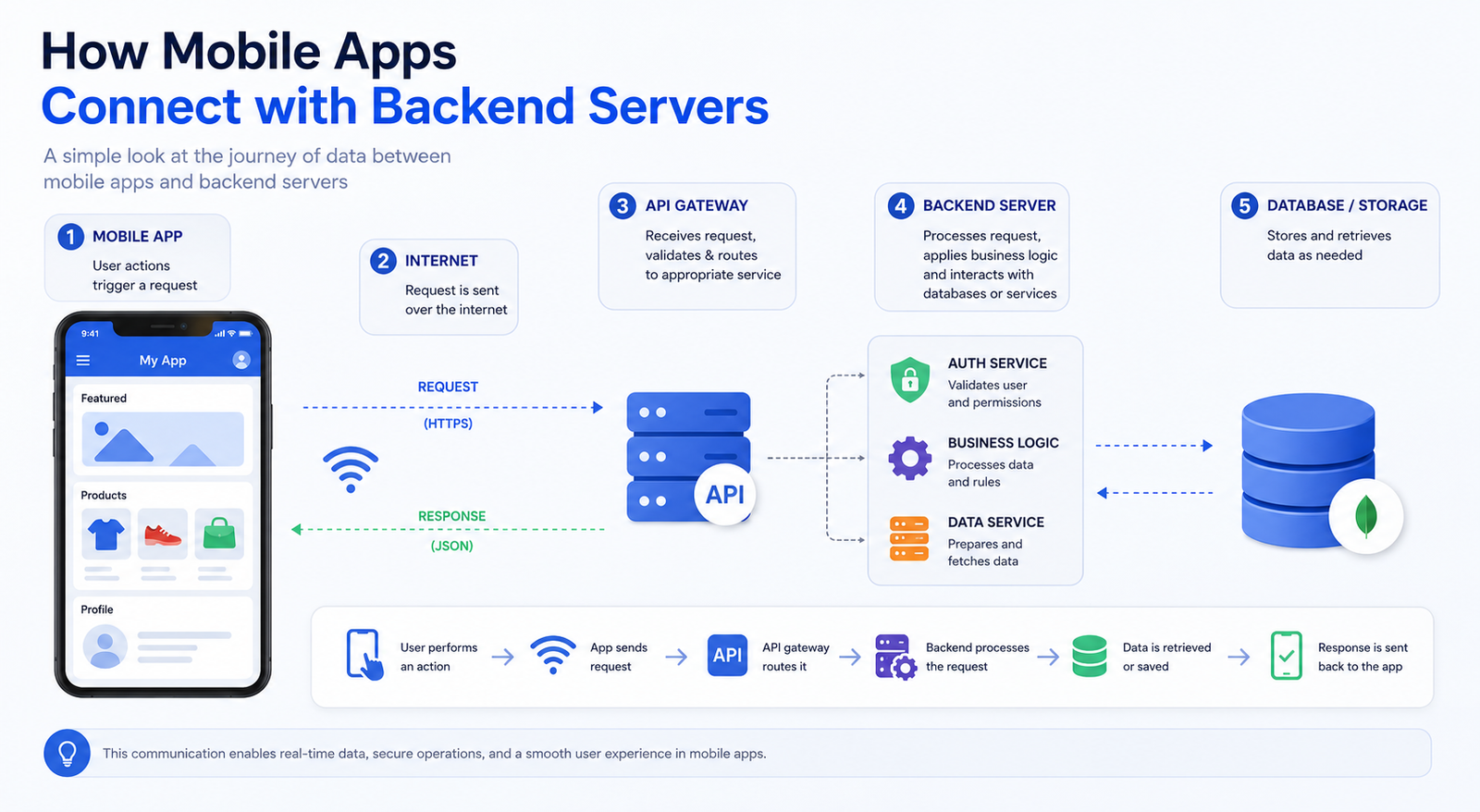
Backend systems connect applications with AI models.
Databases
Understanding:
- SQL
- PostgreSQL
- MySQL
- MongoDB
Data drives AI systems.
Machine Learning
Understanding:
- Supervised Learning
- Unsupervised Learning
- Deep Learning
Engineers should understand how AI models operate.
Generative AI
Modern AI applications increasingly use:
- Large Language Models
- Retrieval-Augmented Generation (RAG)
- AI Agents
- Prompt Engineering
These technologies are reshaping software development.
Why Software Engineering Matters More Than Ever
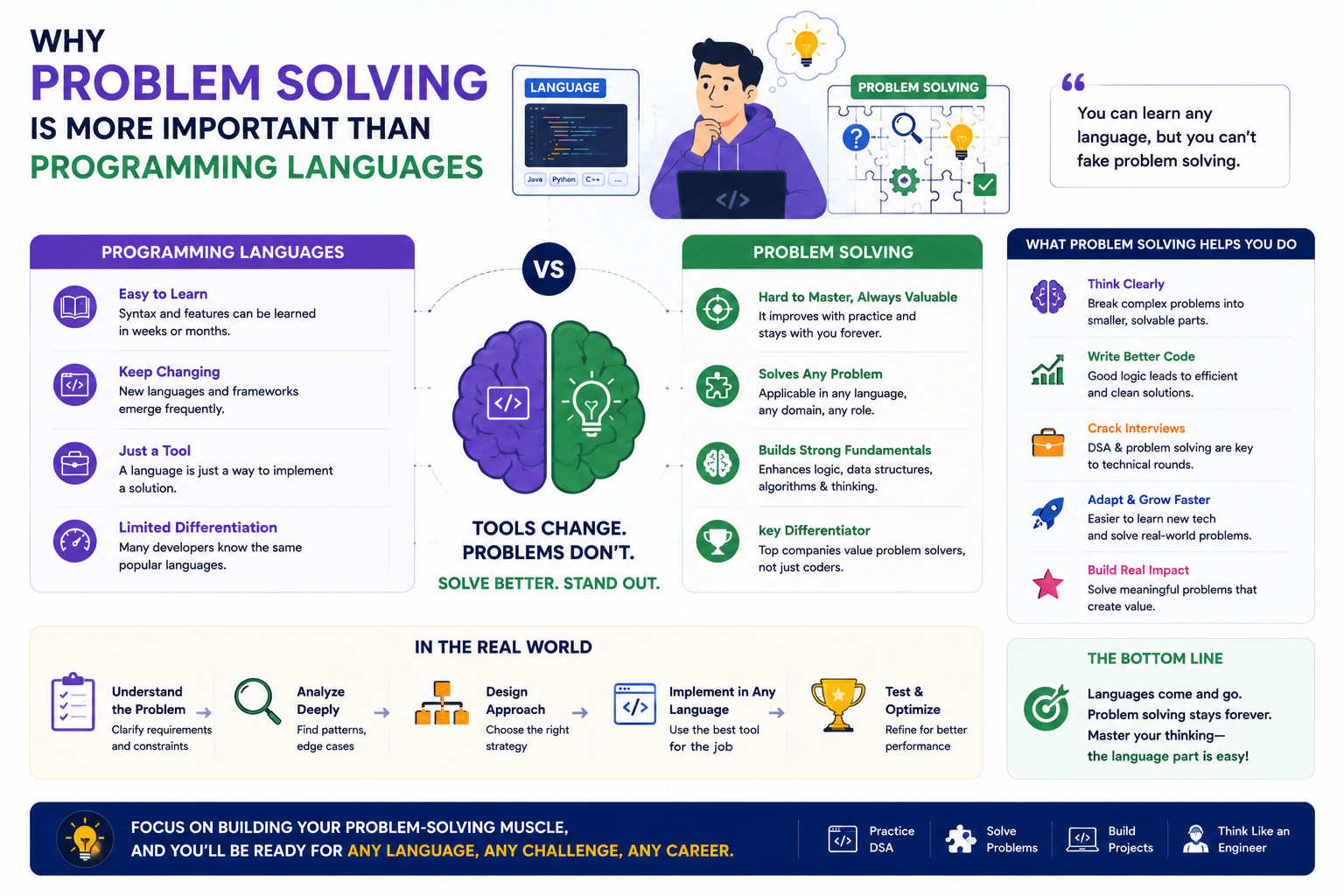
Many students assume AI engineering is only about machine learning.
In reality, successful AI applications require:
- APIs
- Databases
- Authentication
- Deployment
- Security
A powerful model is useless if users cannot access it.
Software engineering remains fundamental.
The Rise of AI-Powered Applications
Examples include:
AI Chatbots
Customer support automation.
AI Coding Assistants
Developer productivity tools.
AI Learning Platforms
Personalized education.
AI Healthcare Systems
Medical decision support.
AI Financial Applications
Risk analysis and forecasting.
Building these systems requires both AI and software engineering expertise.
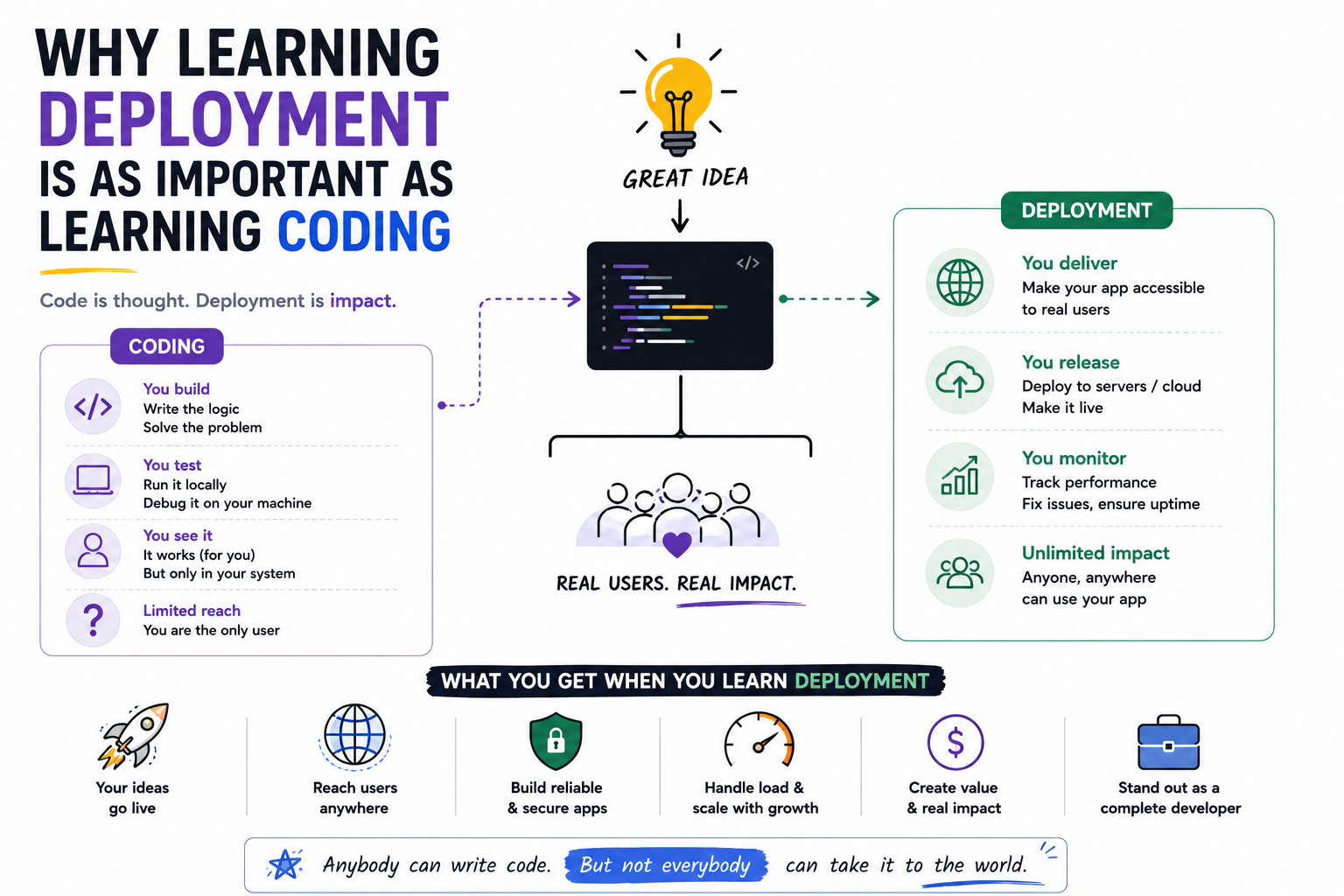
Why Deployment Skills Matter
Training a model is only part of the process.
Full-Stack AI Engineers must understand:
- Cloud Platforms
- Docker
- Kubernetes
- CI/CD Pipelines
- Monitoring
Deployment transforms models into products.
System Design for AI Applications
AI systems introduce unique challenges:
Scalability
Supporting large user bases.
Latency
Delivering responses quickly.
Cost Optimization
Managing inference expenses.
Reliability
Maintaining consistent performance.
System design becomes increasingly important.
Understanding Data Pipelines
AI systems depend on data.
Engineers should understand:
- Data Collection
- Data Cleaning
- Data Storage
- Data Processing
Data engineering skills complement AI expertise.
Why AI Engineers Need Backend Knowledge
Most AI applications require:
- APIs
- Authentication
- User Management
- Logging
- Monitoring
Backend development enables AI integration.
Without backend skills, deploying AI solutions becomes difficult.
Why AI Engineers Need Frontend Knowledge
Users interact with AI through interfaces.
Frontend development helps engineers:
- Improve User Experience
- Create Dashboards
- Build Interactive Applications
Great AI products require great user experiences.
The Importance of Cloud Computing
Modern AI systems frequently use:
- AWS
- Azure
- Google Cloud
Cloud platforms provide:
- Scalability
- Storage
- Compute Resources
Cloud knowledge is becoming essential.
AI Agents and the Future
AI agents are capable of:
- Planning Tasks
- Using Tools
- Automating Workflows
Future Full-Stack AI Engineers will increasingly build:
- Autonomous Agents
- AI Assistants
- Workflow Automation Systems
This represents a major growth area.
Skills Students Should Learn
Software Engineering
- Programming
- APIs
- Databases
- System Design
AI Skills
- Machine Learning
- Deep Learning
- Generative AI
- Prompt Engineering
Infrastructure Skills
- Cloud Computing
- Docker
- Deployment
- DevOps
Combining these skills creates strong career opportunities.
Why Full-Stack AI Engineers Have Career Advantages
They can:
✅ Build Complete Products
✅ Integrate AI Efficiently
✅ Deploy Solutions
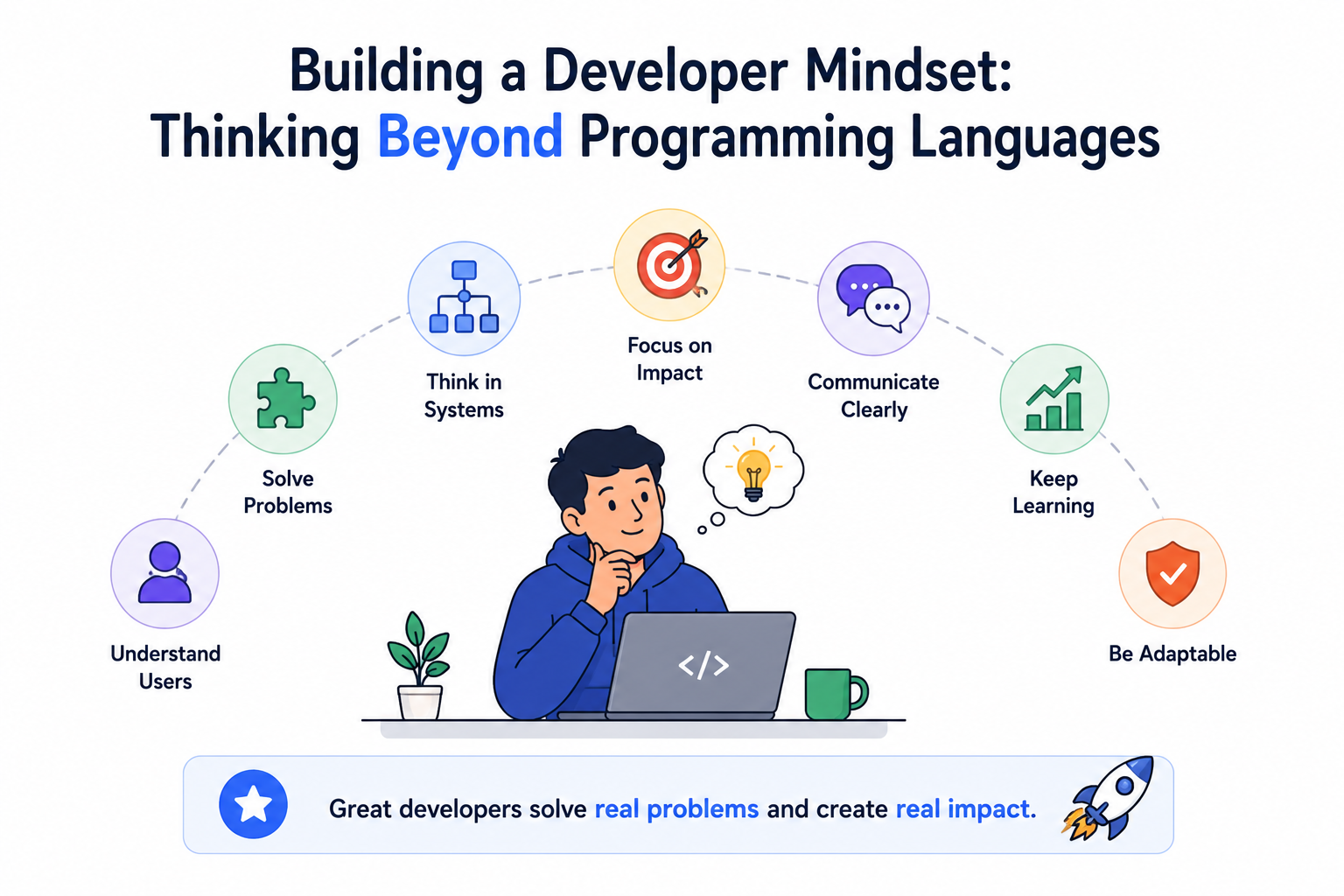
✅ Solve Business Problems
✅ Adapt Quickly
Organizations increasingly value professionals who understand the complete development lifecycle.
Common Mistakes Students Make
Learning Only AI Libraries
Ignoring software engineering.
Ignoring Deployment
Models should reach users.
Avoiding System Design
Scalability matters.
Focusing Only on Prompts
Strong fundamentals remain essential.
Ignoring Backend Development
APIs are critical for AI products.
Avoiding these mistakes improves career readiness.
Future of Full-Stack AI Engineering
Over the next decade, demand is expected to grow for professionals who can:
- Build AI Products
- Integrate LLMs
- Design Systems
- Deploy Applications
- Understand Business Requirements
The ability to combine software engineering and AI will become increasingly valuable.
Frequently Asked Questions
Do I need to become a data scientist first?
No. Strong software engineering skills combined with AI knowledge can be sufficient.
Is Python enough?
Python is important, but understanding software systems is equally valuable.
Should AI engineers learn frontend development?
Yes. User interfaces are critical for AI adoption.
Is Full-Stack AI Engineering a good career path?
It is becoming one of the most promising technology career paths.
Conclusion
The rise of Full-Stack AI Engineers reflects the growing need for professionals who can bridge the gap between artificial intelligence and real-world software products. Organizations no longer need only model builders—they need engineers who can design, develop, deploy, and maintain complete AI-powered applications.
Students who combine software engineering fundamentals, system design, cloud computing, backend development, frontend development, and AI knowledge position themselves for some of the most exciting opportunities in the technology industry. The future belongs to engineers who can not only build intelligent systems but also deliver them to users at scale.
🌐 Website: https://grootacademy.com
📺 YouTube: https://www.youtube.com/@YourGrootAcademy
📘 Facebook: http://facebook.com/GrootAcademy
📸 Instagram: https://www.instagram.com/groot.academy/
🐦 X: https://x.com/GrootAcademy
💼 LinkedIn: https://www.linkedin.com/company/grootacademy
📌 Pinterest: https://in.pinterest.com/mygrootacademy/