


Scalable social media systems are one of the most advanced examples of modern software engineering. Platforms like Instagram, Facebook, X (Twitter), YouTube, LinkedIn, and TikTok handle millions of users, real-time interactions, APIs, databases, cloud infrastructure, and AI-powered recommendation systems every second.
Modern social media platforms are built using scalable backend architectures, cloud computing, distributed systems, APIs, caching systems, databases, and DevOps automation.
Students learning scalable social media systems can understand how large-scale applications manage millions of users efficiently.
In this blog, we will explore how social media platforms handle millions of users and the technologies used behind scalable social media system design.
What are Scalable Social Media Systems?
Scalable social media systems are software platforms designed to support:
- Millions of users
- Real-time communication
- Media uploads
- Notifications
- AI recommendations
- High traffic loads
Scalable systems maintain performance even during rapid growth.
Frontend Systems in Social Media Platforms
Frontend systems are responsible for user interaction.
Frontend development includes:
- News feeds
- User profiles
- Messaging interfaces
- Media uploads
- Notifications
Popular frontend technologies include:
- React.js
- Next.js
- TypeScript
Responsive frontend systems improve user experience significantly.
Backend Systems in Social Media Platforms
Backend systems handle:
- APIs
- Authentication
- User management
- Messaging systems
- Recommendation systems
- Notifications
Popular backend technologies include:
- Node.js
- Java
- Python
- Go (Golang)
Backend systems are critical for scalability and reliability.
APIs in Social Media Applications
APIs connect frontend applications with backend services.
Social media APIs manage:
- User feeds
- Posts
- Likes
- Comments
- Notifications
- Authentication
Modern platforms rely heavily on scalable APIs.
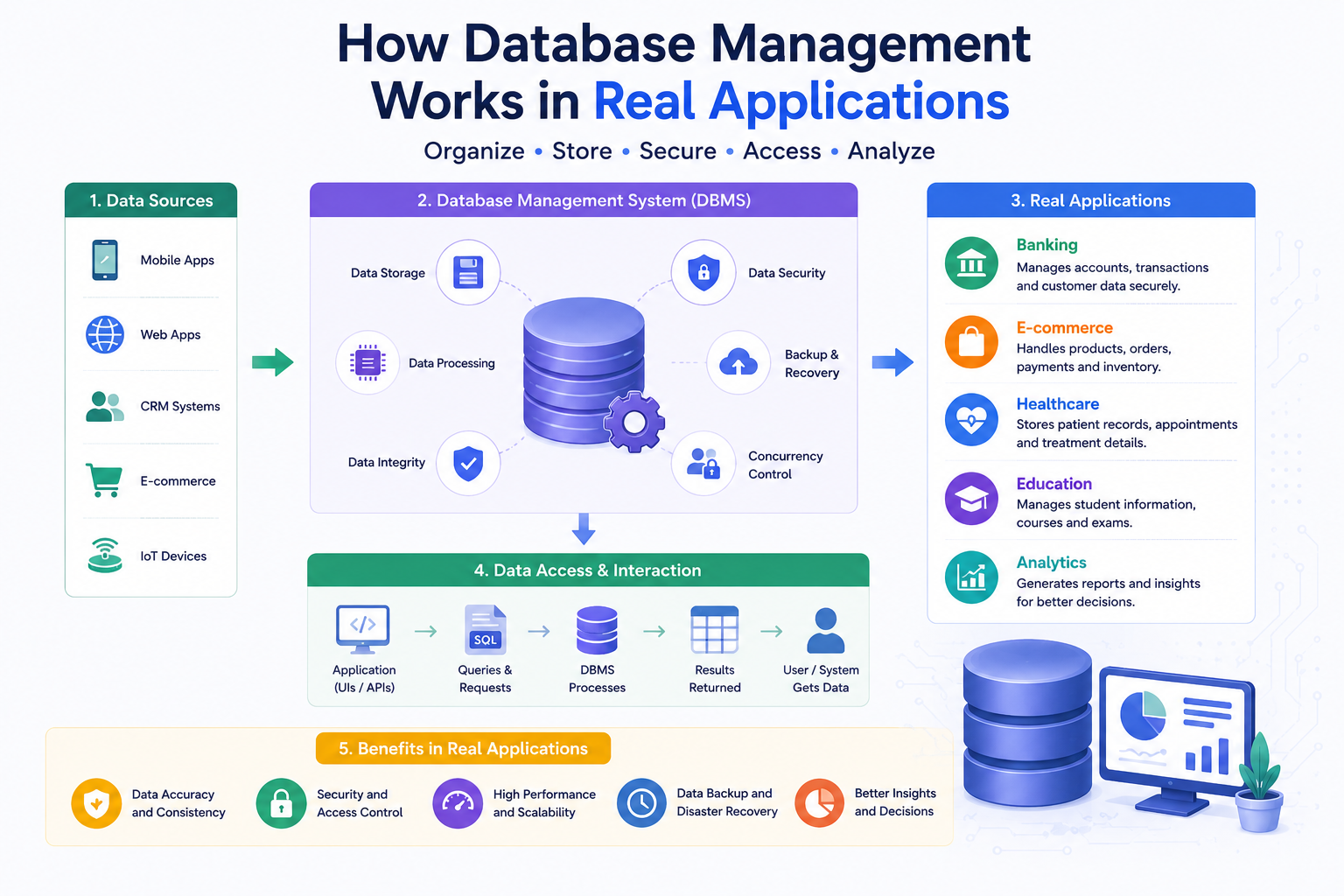
Databases in Social Media Systems
Social media platforms manage massive amounts of data.
Databases store:
- User profiles
- Messages
- Posts
- Media content
- Activity logs
Popular databases include:
- MySQL
- PostgreSQL
- MongoDB
- Cassandra
- Redis
Database optimization is essential for handling millions of users.
Real-Time Communication Systems
Modern social media applications support real-time communication.
Real-time systems power:
- Messaging
- Notifications
- Live comments
- Activity updates
Technologies used include:
- WebSockets
- Socket.io
- Firebase Realtime Database
Real-time communication improves user engagement.
Cloud Computing in Social Media Platforms
Cloud computing is the backbone of scalable social media systems.
Cloud platforms help companies:
- Scale infrastructure
- Manage storage
- Handle traffic spikes
- Deploy applications globally
Popular cloud platforms include:
- AWS
- Google Cloud
- Microsoft Azure
Cloud systems improve scalability and availability.
Content Delivery Networks (CDN)
Social media platforms use CDNs to deliver media quickly.
CDNs help optimize:
- Images
- Videos
- Static content
- Global performance
CDNs reduce server load and improve speed.
Caching Systems in Scalable Applications
Caching systems improve application speed.
Popular caching technologies include:
- Redis
- Memcached
Caching reduces database load and improves performance.
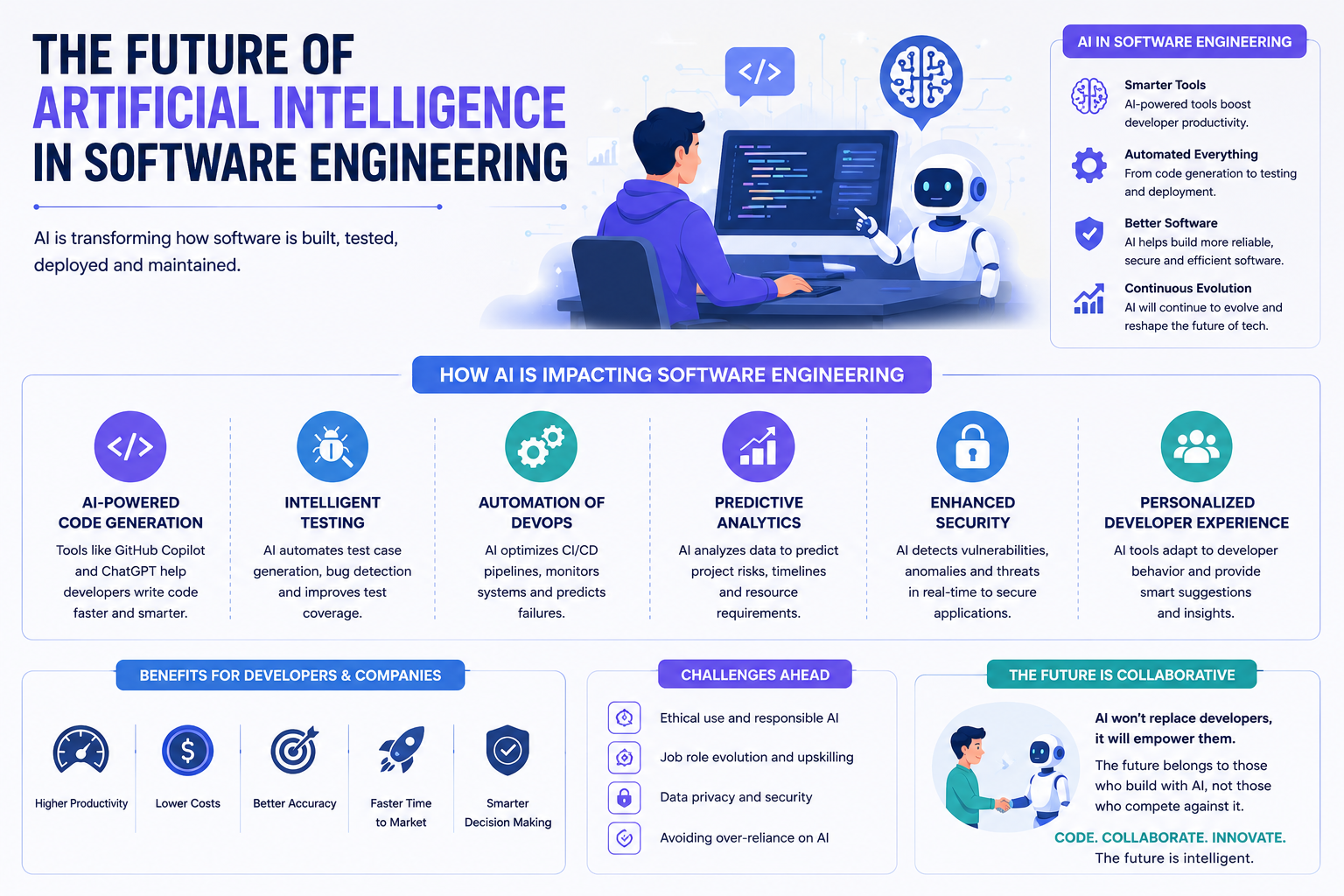
AI and Recommendation Systems
Social media platforms heavily use Artificial Intelligence.
AI systems help with:
- Content recommendations
- Personalized feeds
- Advertisement targeting
- User engagement optimization
AI improves user retention and platform engagement.
Security in Social Media Systems
Security is extremely important in scalable social media systems.
Platforms protect users using:
- Authentication systems
- HTTPS encryption
- API security
- Data protection
- Cyber security monitoring
Security systems protect millions of users and data.
DevOps and Infrastructure Automation
DevOps helps social media companies:
- Automate deployment
- Monitor infrastructure
- Scale applications
- Reduce downtime
Popular DevOps tools include:
- Docker
- Kubernetes
- Jenkins
Automation improves software delivery efficiency.
Scalability Techniques Used by Social Media Platforms
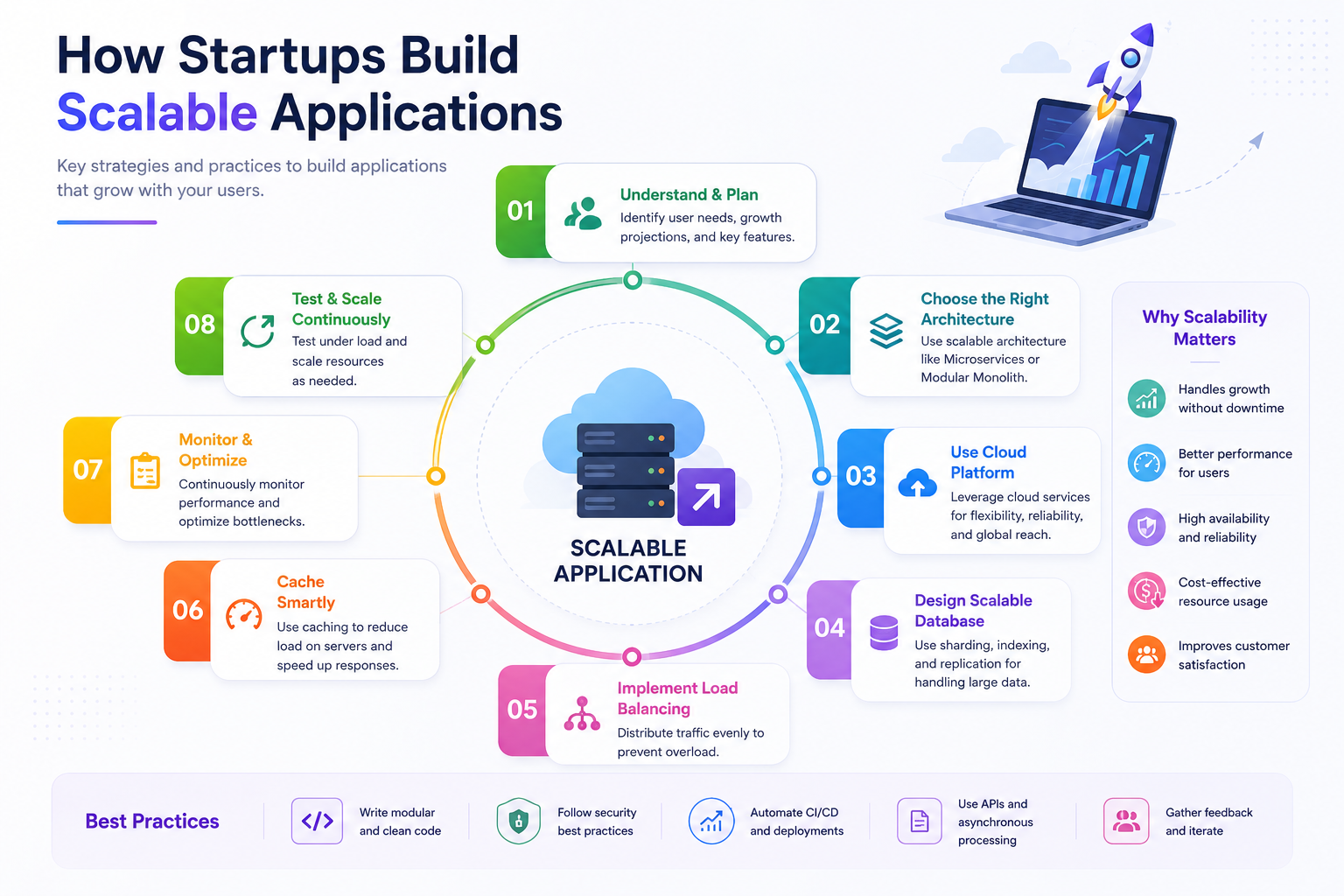
Large social media systems use:
- Load balancing
- Distributed systems
- Database sharding
- Cloud-native architectures
- Microservices
Scalable architectures help platforms handle massive traffic.
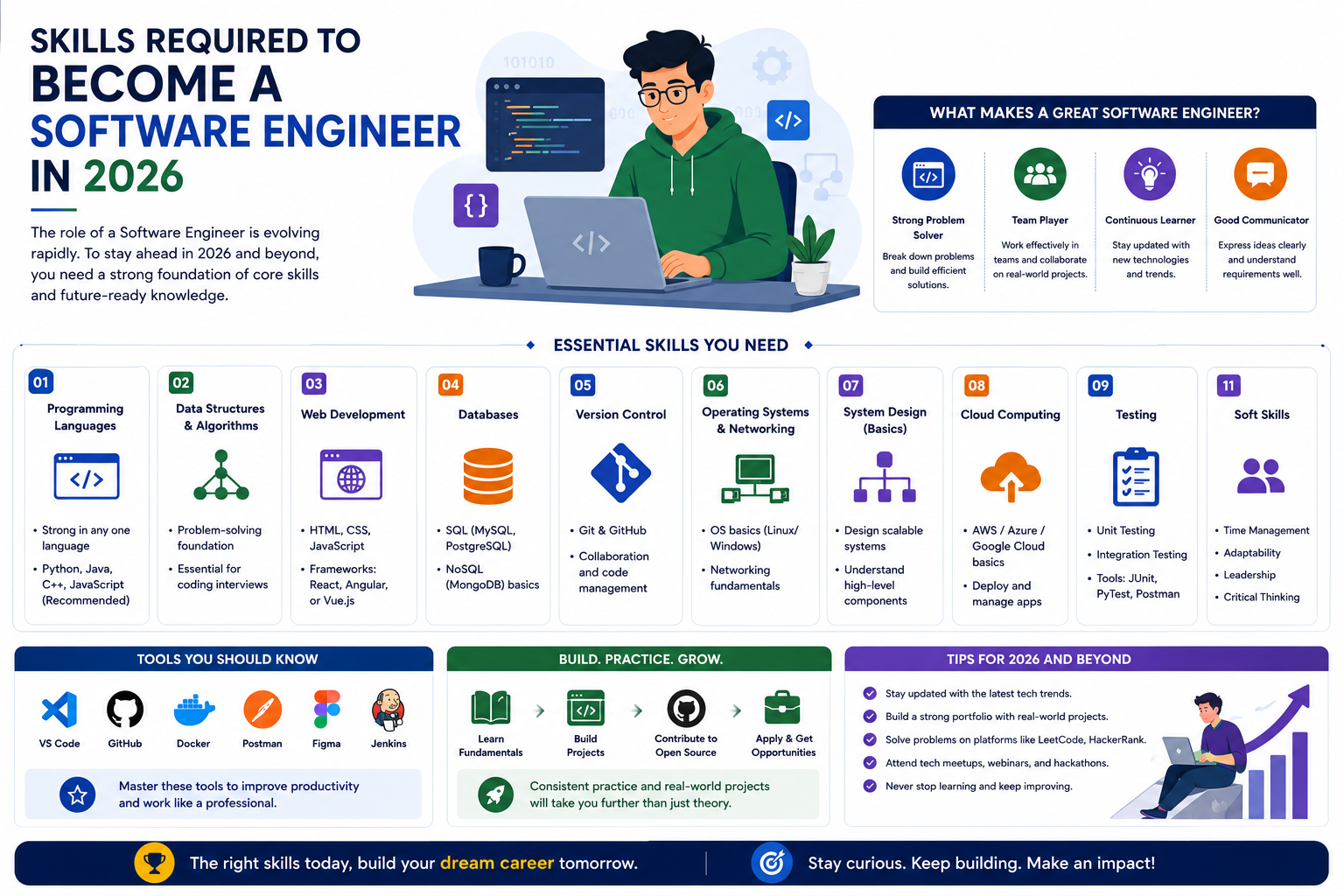
Skills Students Should Learn for Social Media System Design
Students should focus on:
- Backend development
- APIs
- Databases
- Cloud computing
- DevOps
- System design
- AI systems
Practical projects improve scalable software engineering understanding.
Career Opportunities in Scalable Systems
Students learning scalable social media systems can prepare for careers as:
- Backend Developer
- Software Engineer
- Cloud Engineer
- DevOps Engineer
- System Architect
- Full Stack Developer
Scalable system design skills are highly valuable in modern software companies.
Future of Scalable Social Media Systems
The future of scalable social media systems focuses heavily on:
- AI-powered recommendations
- Cloud-native applications
- Real-time communication
- Distributed systems
- Scalable backend architectures
Modern social media platforms continue evolving rapidly.
Final Thoughts
Scalable social media systems combine frontend development, backend APIs, databases, cloud computing, AI recommendations, caching systems, DevOps, and scalable architectures.
Platforms like Instagram, Facebook, and YouTube rely heavily on scalable software engineering to support millions of users globally.
Students learning backend systems, cloud computing, APIs, DevOps, and scalable architectures can prepare for strong software engineering careers in 2026.
Practical system design projects help students understand real-world scalable application development.
Learn Software Development with Practical Training
🚀 Groot Academy – IT Training Institute
Build your career with practical training in coding, AI, and modern technologies. Learn through real projects and industry-focused guidance.
📺 YouTube: https://www.youtube.com/@YourGrootAcademy
📘 Facebook: http://facebook.com/GrootAcademy
📸 Instagram: https://www.instagram.com/groot.academy/
🐦 X (Twitter): https://x.com/GrootAcademy
💼 LinkedIn: https://www.linkedin.com/company/grootacademy
📌 Pinterest: https://in.pinterest.com/mygrootacademy/
#ScalableSocialMediaSystems #SystemDesign #SoftwareDevelopment #CloudComputing #BackendDevelopment #CareerGrowth