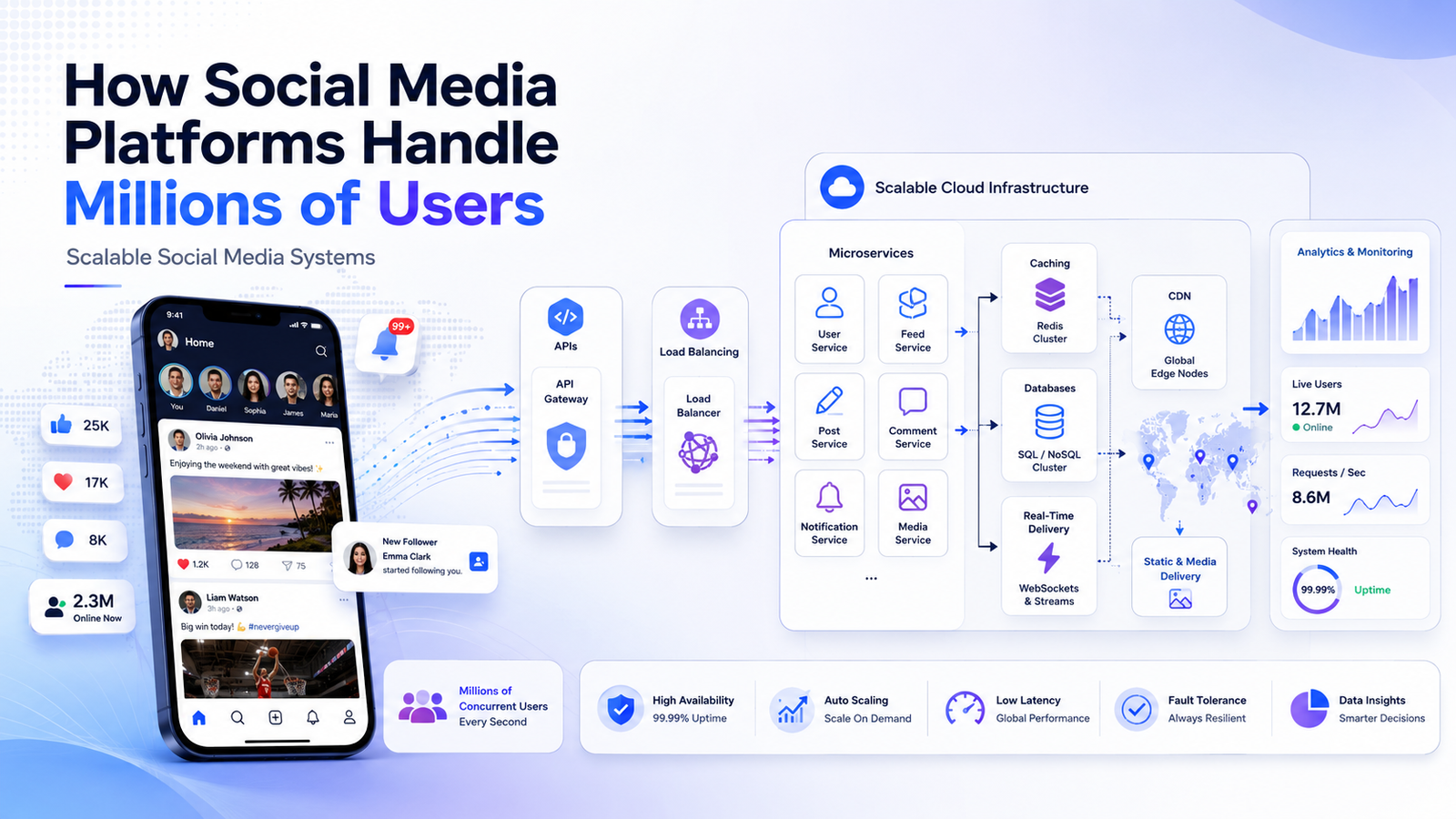



Real time chat application systems are one of the most advanced examples of modern software engineering and scalable system design. Applications like WhatsApp, Telegram, Discord, Messenger, and Slack handle millions of messages, real-time notifications, APIs, cloud infrastructure, databases, encryption systems, and scalable backend architectures every second.
Modern chat applications rely heavily on backend systems, WebSockets, cloud computing, databases, APIs, authentication systems, and real-time communication technologies.
Software companies build scalable real time chat application systems to ensure fast messaging, secure communication, low latency, and high availability for millions of users worldwide.
Students learning real time chat application concepts can understand how modern messaging platforms are designed, deployed, and scaled.
In this blog, we will explore how real-time chat applications like WhatsApp work, the technologies involved, and why scalable system design is essential for modern messaging platforms.
What is a Real Time Chat Application?
A real time chat application allows users to send and receive messages instantly.
Modern chat systems support:
- Instant messaging
- Real-time notifications
- Voice messages
- Media sharing
- Group chats
- Video calls
Real-time communication is the foundation of modern chat applications.
How Real-Time Chat Applications Work
The messaging workflow usually includes:
- User sends a message
- Frontend sends request to backend server
- Backend processes message
- Database stores chat information
- Server delivers message instantly
- Receiver gets real-time notification
This entire process happens within milliseconds.
Frontend Systems in Chat Applications
Frontend systems manage user interaction.
Frontend chat systems include:
- Chat interfaces
- Message windows
- Contact lists
- Notifications
- Media uploads
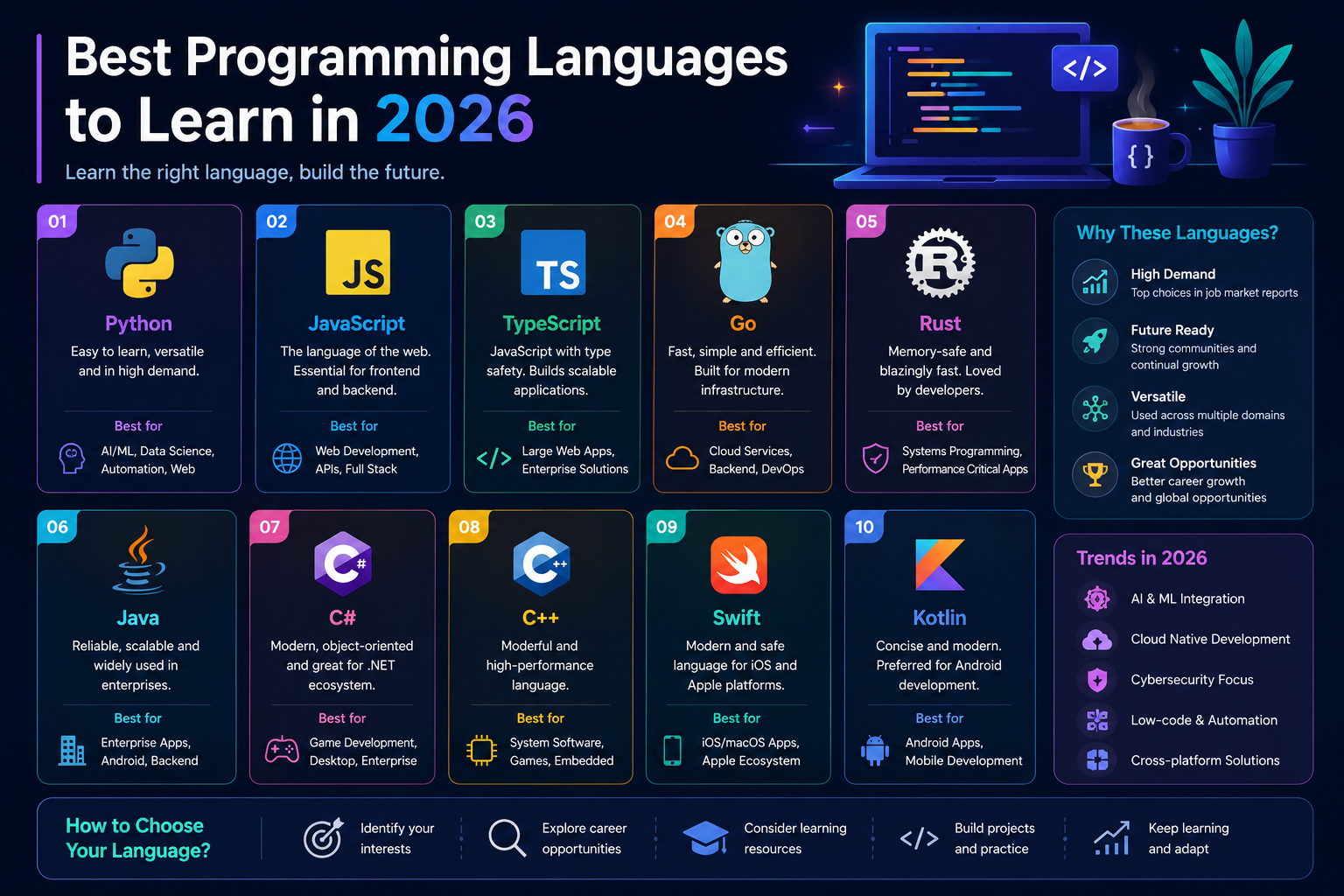
Popular frontend technologies include:
- React.js
- Flutter
- React Native
- Angular
Responsive frontend systems improve messaging experience.
Backend Systems in Real Time Chat Applications
Backend systems manage:
- Message processing
- APIs
- Authentication
- Notifications
- Media storage
- User sessions
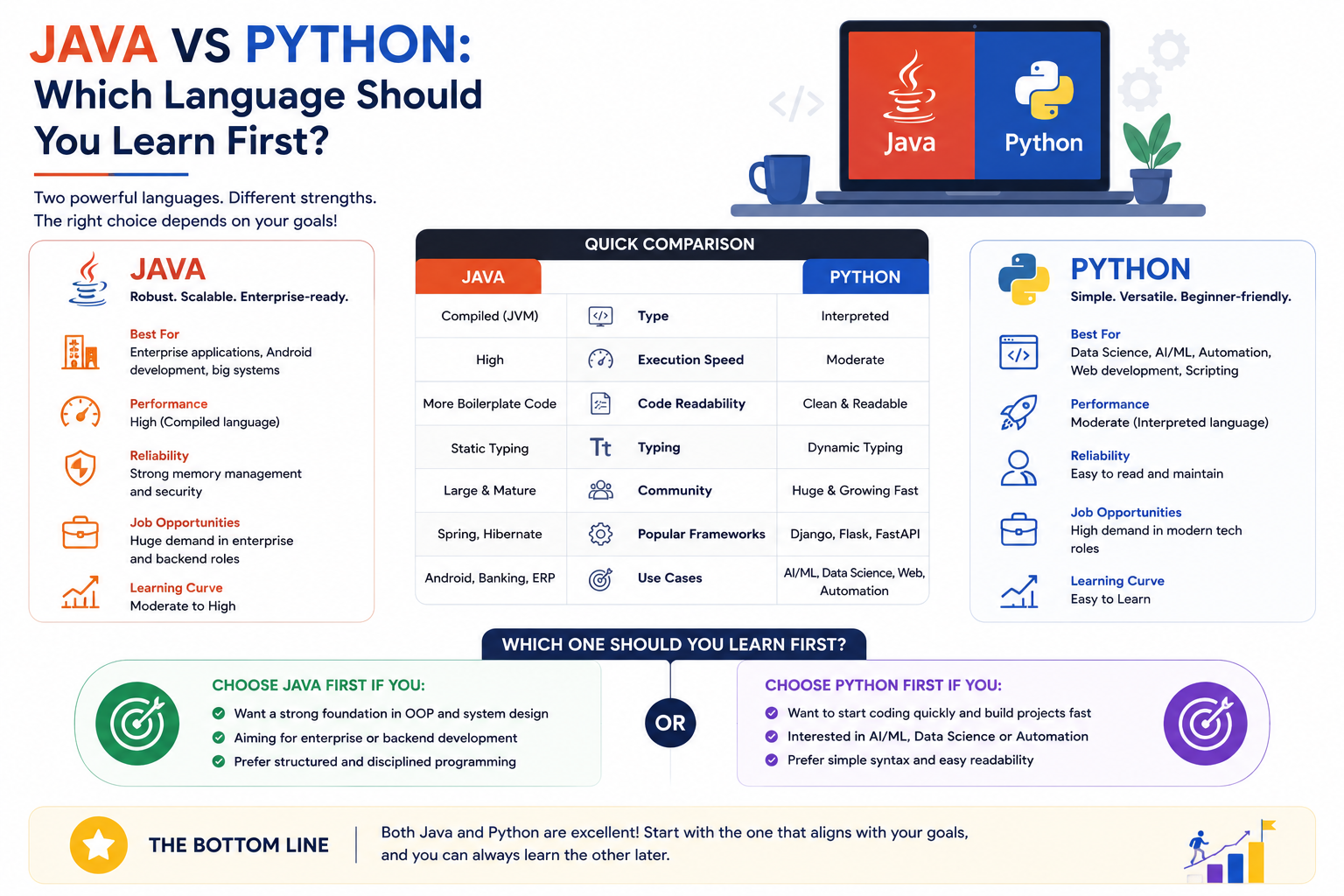
Popular backend technologies include:
- Node.js
- Java
- Go (Golang)
- Python
Backend systems are critical for scalability and reliability.
APIs in Chat Applications
APIs connect frontend systems with backend services.
Chat application APIs manage:
- Messages
- Notifications
- Authentication
- Contacts
- Media uploads
Modern chat platforms rely heavily on scalable APIs.
WebSockets and Real-Time Communication
Real time chat application systems use WebSockets for instant communication.
WebSockets enable:
- Real-time messaging
- Live notifications
- Typing indicators
- Presence systems
Technologies used include:
- WebSockets
- Socket.io
- Firebase Realtime Database
Real-time communication improves user experience significantly.
Databases in Chat Applications
Databases store:
- Messages
- User profiles
- Media information
- Contacts
- Notifications
Popular databases include:
- MongoDB
- PostgreSQL
- Cassandra
- Redis
Databases must handle millions of real-time records efficiently.
Cloud Computing in Chat Applications
Modern messaging platforms use cloud computing for:
- Hosting backend systems
- Scaling infrastructure
- Media storage
- Global availability
Popular cloud platforms include:
- AWS
- Google Cloud
- Microsoft Azure
Cloud systems improve scalability and performance.
Notification Systems in Messaging Apps
Chat applications use notification systems for:
- New messages
- Calls
- Group updates
- User activity
Push notification systems improve real-time communication.
Authentication and Security in Chat Applications
Modern chat applications use:
- Authentication systems
- JWT tokens
- HTTPS encryption
- Secure APIs
- End-to-end encryption
Security protects user communication and data.
End-to-End Encryption in WhatsApp
WhatsApp uses end-to-end encryption.
This means:
- Messages are encrypted
- Only sender and receiver can read messages
- Servers cannot access message content
Encryption improves privacy and security.
Scalability in Real Time Chat Applications
Messaging platforms must handle:
- Millions of users
- Real-time communication
- Media sharing
- Cloud infrastructure
Scalable systems use:
- Load balancing
- Distributed systems
- Caching systems
- Cloud-native architectures
Scalable system design improves reliability and speed.
DevOps and Chat Application Deployment
DevOps workflows help companies:
- Deploy backend systems
- Monitor infrastructure
- Scale applications
- Reduce downtime
Popular DevOps tools include:
- Docker
- Kubernetes
- CI/CD pipelines
Automation improves software deployment efficiency.
AI Features in Modern Chat Applications
Modern messaging platforms increasingly use AI for:
- Spam detection
- Smart replies
- Translation systems
- Chatbot integration
AI improves user engagement and communication workflows.
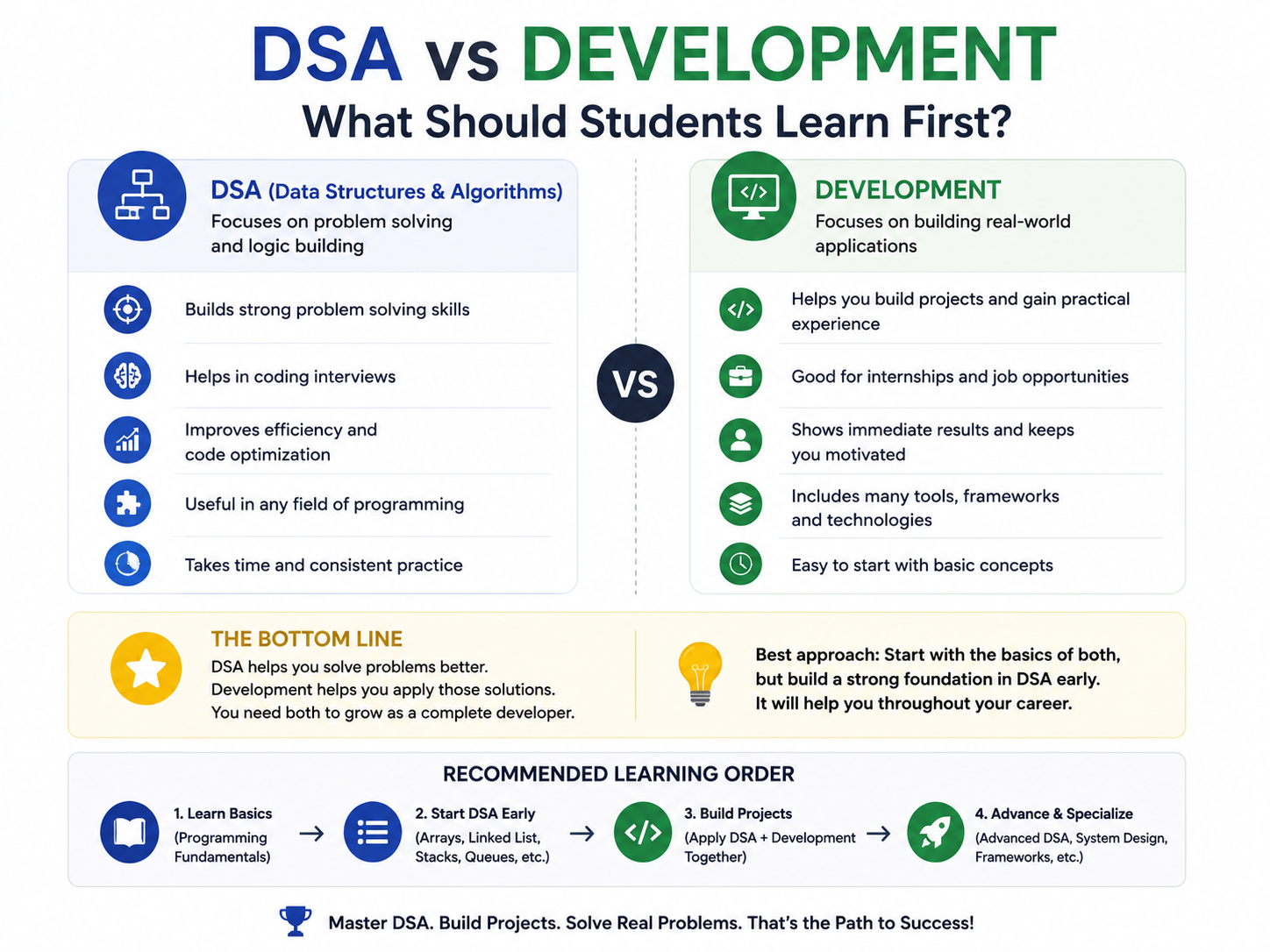
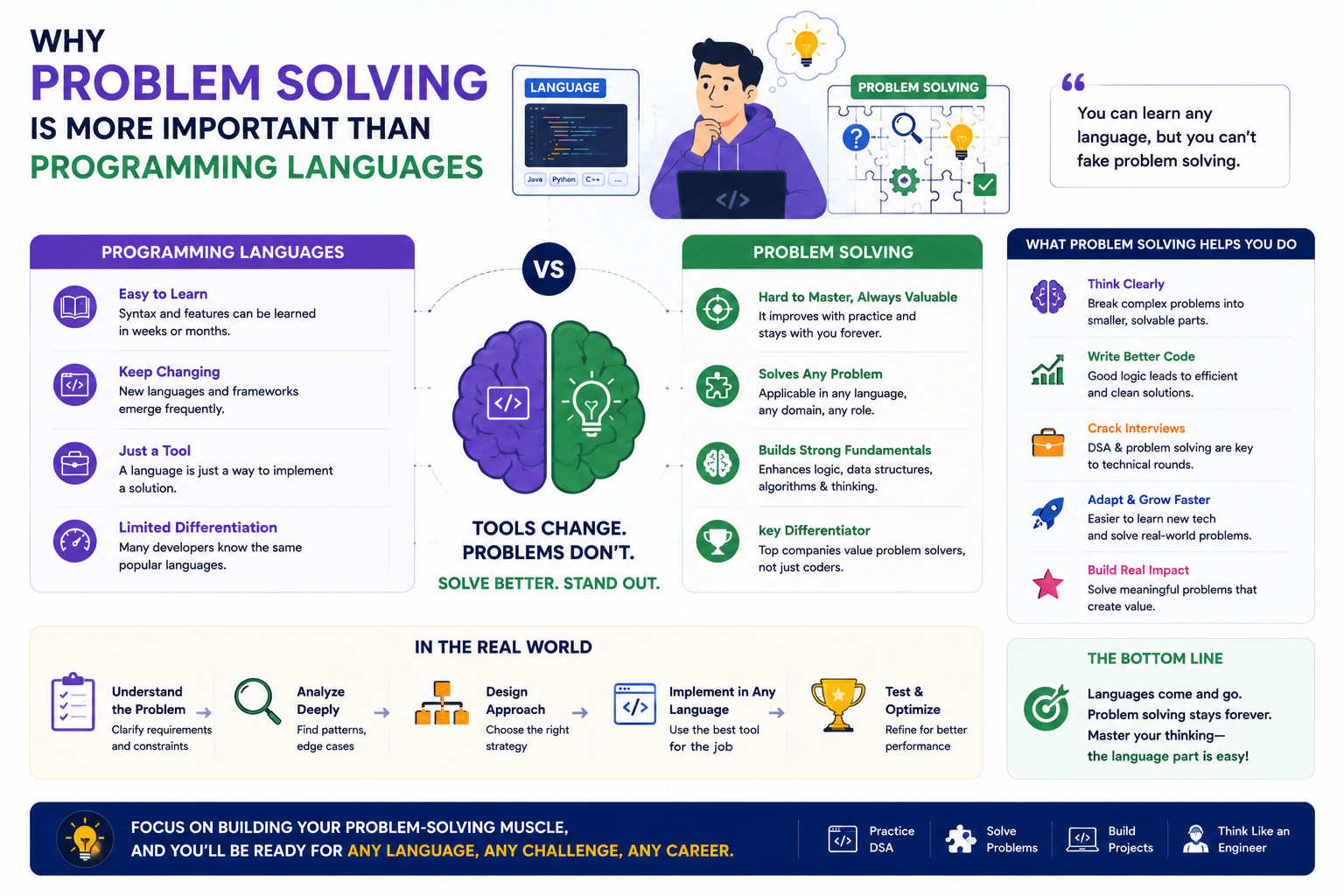
Skills Students Should Learn for Chat Application Development
Students should focus on:
- APIs
- Backend development
- WebSockets
- Databases
- Cloud computing
- System design
- Authentication systems
Practical messaging projects improve industry readiness.
Career Opportunities in Real-Time Systems
Students learning real time chat application concepts can prepare for careers as:
- Backend Developer
- Full Stack Developer
- Cloud Engineer
- DevOps Engineer
- Software Engineer
- System Architect
Real-time system design skills are highly valuable in modern software companies.
Future of Real-Time Chat Applications
The future of real time chat application systems focuses heavily on:
- AI-powered messaging
- Real-time translation
- Cloud-native systems
- Scalable architectures
- Voice AI systems
Modern chat applications continue evolving rapidly.
Final Thoughts
Real time chat application systems combine frontend development, backend APIs, databases, WebSockets, cloud computing, authentication systems, encryption, and scalable architectures.
Applications like WhatsApp rely heavily on scalable system design, real-time communication, cloud infrastructure, and secure backend systems to support millions of users worldwide.
Students learning backend systems, APIs, databases, cloud computing, WebSockets, and scalable architectures can prepare for strong software engineering careers in 2026.
Practical chat application projects help students understand real-world system design and scalable software engineering workflows.
Learn Software Development with Practical Training
🚀 Groot Academy – IT Training Institute
Build your career with practical training in coding, AI, and modern technologies. Learn through real projects and industry-focused guidance.
📺 YouTube: https://www.youtube.com/@YourGrootAcademy
📘 Facebook: http://facebook.com/GrootAcademy
📸 Instagram: https://www.instagram.com/groot.academy/
🐦 X (Twitter): https://x.com/GrootAcademy
💼 LinkedIn: https://www.linkedin.com/company/grootacademy
📌 Pinterest: https://in.pinterest.com/mygrootacademy/
#RealTimeChatApplication #SystemDesign #BackendDevelopment #CloudComputing #SoftwareDevelopment #CareerGrowth