


The Hidden Gap Between Learning Programming and Creating Real-World Software
Every year, millions of students enroll in Computer Science, Information Technology, Artificial Intelligence, and Software Engineering programs with dreams of becoming successful software developers. They learn programming languages, study algorithms, pass examinations, and earn degrees.
Yet a surprising reality exists:
Most Computer Science students never build a real software product.
Many graduates know Java, Python, C++, Data Structures, Operating Systems, and Database Management Systems, but have never created a complete application used by real users.
This gap between academic learning and product development is one of the biggest reasons why many graduates struggle during placements, internships, and software engineering interviews.
Understanding why this happens can help students avoid common mistakes and become industry-ready developers.
What is a Real Software Product?
A real software product is more than a college project.
Examples include:
- E-Commerce Websites
- Learning Management Systems
- Mobile Applications
- CRM Platforms
- Hospital Management Systems
- SaaS Products
- AI Applications
- Business Automation Tools
Real products solve actual problems for real users.
They include:
- Frontend
- Backend
- Database
- Authentication
- Deployment
- Maintenance
- User Feedback
Building a real product requires much more than writing code.
The Education System Focuses on Theory
Most universities emphasize:
- Exams
- Assignments
- Theory
- Academic Projects
Students spend years learning concepts but often receive limited exposure to:
- Product Design
- User Experience
- Deployment
- Scalability
- Real Customer Requirements
As a result, many students graduate with knowledge but without practical product-building experience.
Students Learn Languages Instead of Solving Problems
Many students spend their time asking:
- Should I learn Java?
- Should I learn Python?
- Should I learn JavaScript?
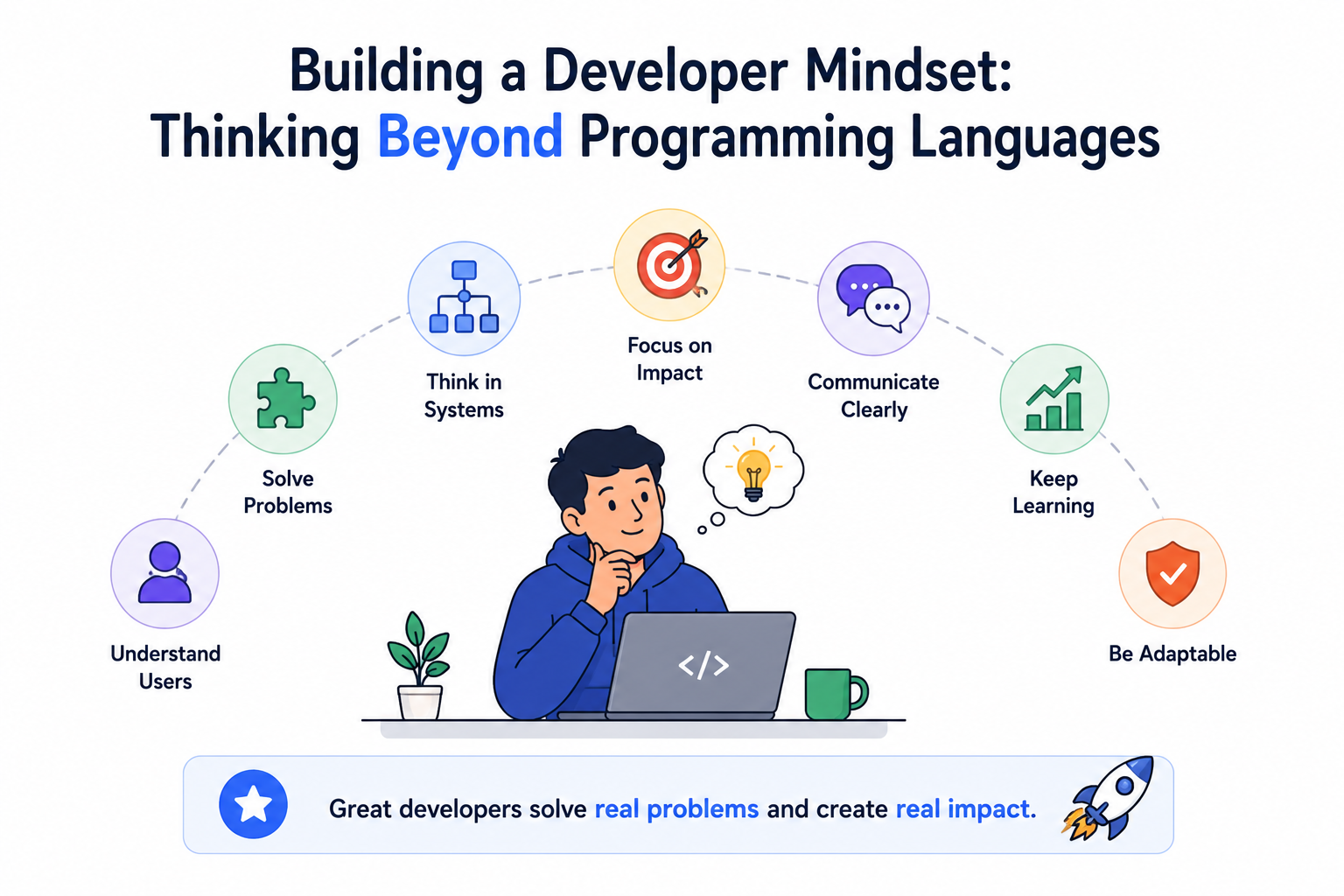
While programming languages are important, successful software products are built by solving problems.
The most successful developers focus on:
- User Needs
- Business Challenges
- Product Design
- Customer Experience
Programming languages are simply tools used to implement solutions.
Fear of Building Large Projects
Many students build:
- Calculator Apps
- To-Do Lists
- Simple CRUD Projects
But hesitate when it comes to creating:
- Multi-User Systems
- E-Commerce Platforms
- AI Applications
- SaaS Products
Reasons include:
- Fear of Failure
- Lack of Confidence
- Complexity Concerns
The reality is that every professional developer learns through experimentation and mistakes.
Tutorial Dependency
One of the biggest challenges facing students today is tutorial dependency.
Students often:
- Watch Courses
- Follow Tutorials
- Copy Code
Without building independent projects.
This creates an illusion of learning.
Watching a project tutorial is very different from designing and developing a product independently.
Lack of Product Thinking
Product thinking involves understanding:
- User Problems
- Business Requirements
- Market Needs
- Product Features
Many students think like programmers.
Successful founders and software engineers think like problem solvers.
They ask:
- What problem am I solving?
- Who will use this product?
- Why would people pay for it?
These questions are often missing from academic learning.
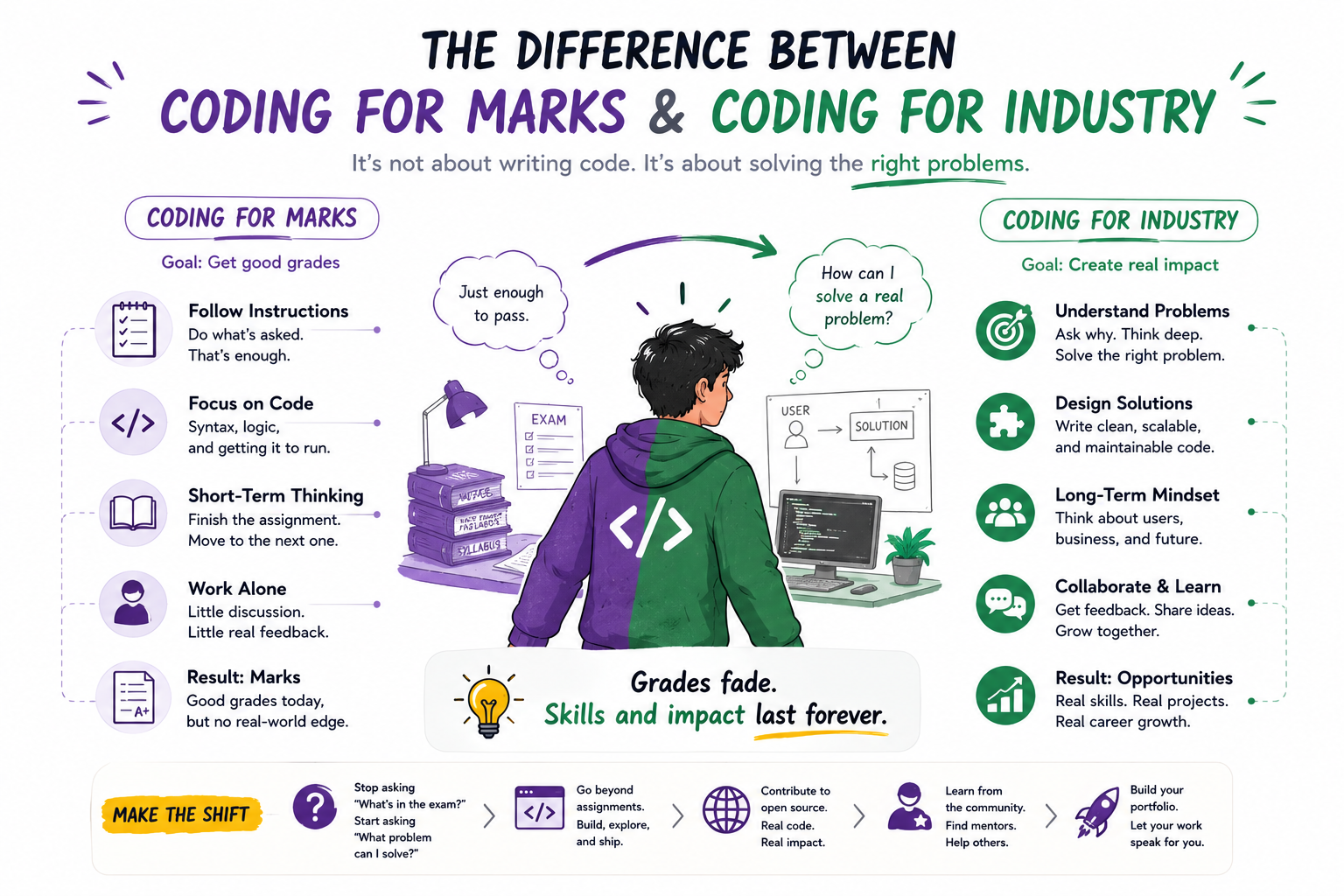
Students Focus on Marks Instead of Skills
In many colleges, students prioritize:
- Grades
- Attendance
- Internal Assessments
While employers prioritize:
- Projects
- Skills
- Problem Solving
- Practical Experience
A high GPA may help academically, but strong projects often create better career opportunities.
Fear of Public Feedback
Building a real product means exposing your work to users.
Users may:
- Report Bugs
- Request Features
- Provide Criticism
Many students avoid this process.
However, feedback is what helps products improve and developers grow.
Lack of Team Collaboration Experience
Real software products are rarely built alone.
Professional development involves:
- Developers
- Designers
- Testers
- Product Managers
- Clients
Students who never participate in collaborative projects often struggle in industry environments.
Not Learning Deployment
A common mistake:
Students build projects but never deploy them.
A project that exists only on a laptop has limited impact.
Developers should learn:
- Hosting
- Cloud Platforms
- Domain Management
- Deployment Pipelines
A deployed product demonstrates practical skills.
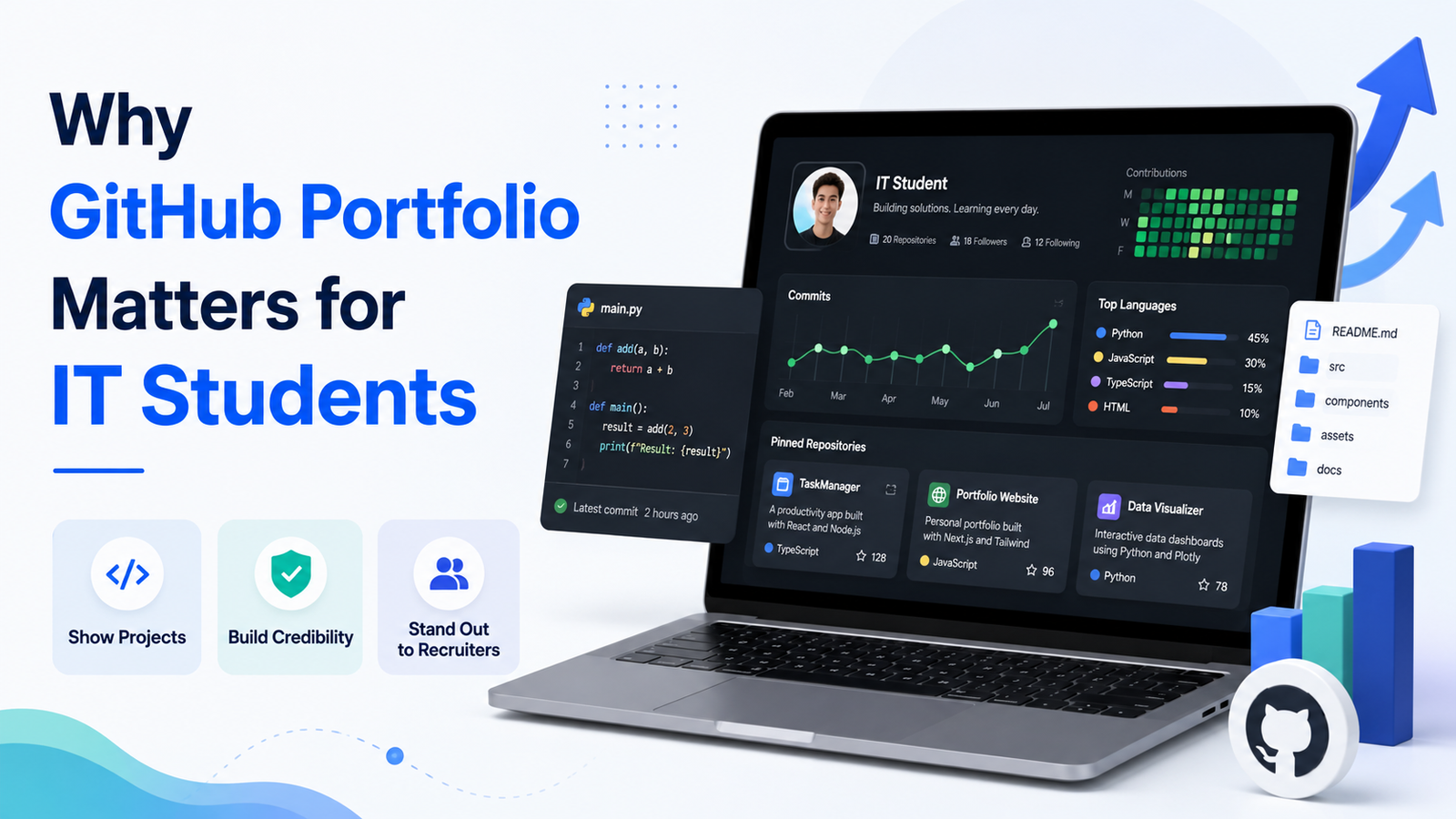
Ignoring Git and GitHub
Many students know programming but lack experience with:
- Git
- GitHub
- Pull Requests
- Code Reviews
These tools are essential for modern software development.
Recruiters often review GitHub profiles to evaluate practical experience.
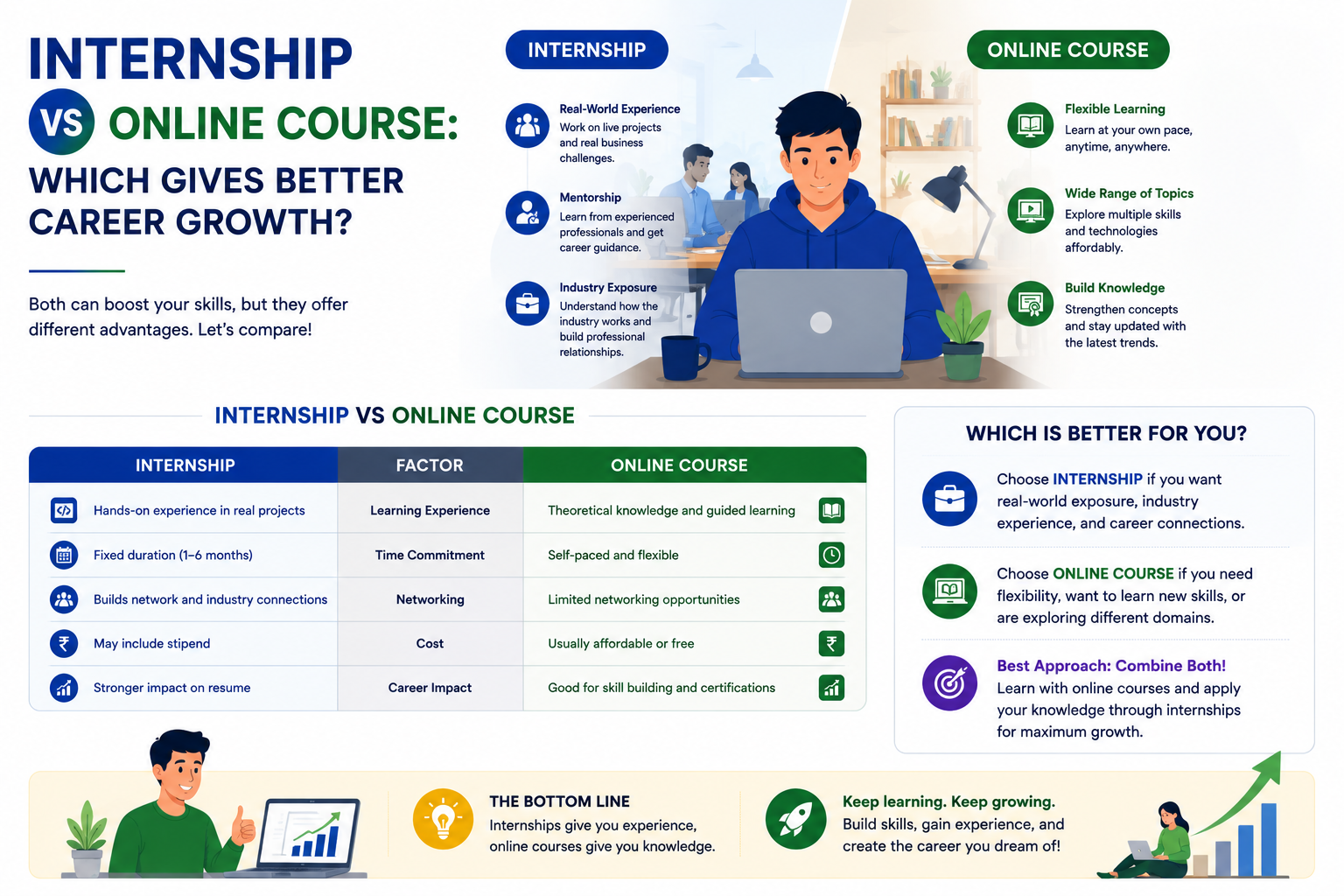
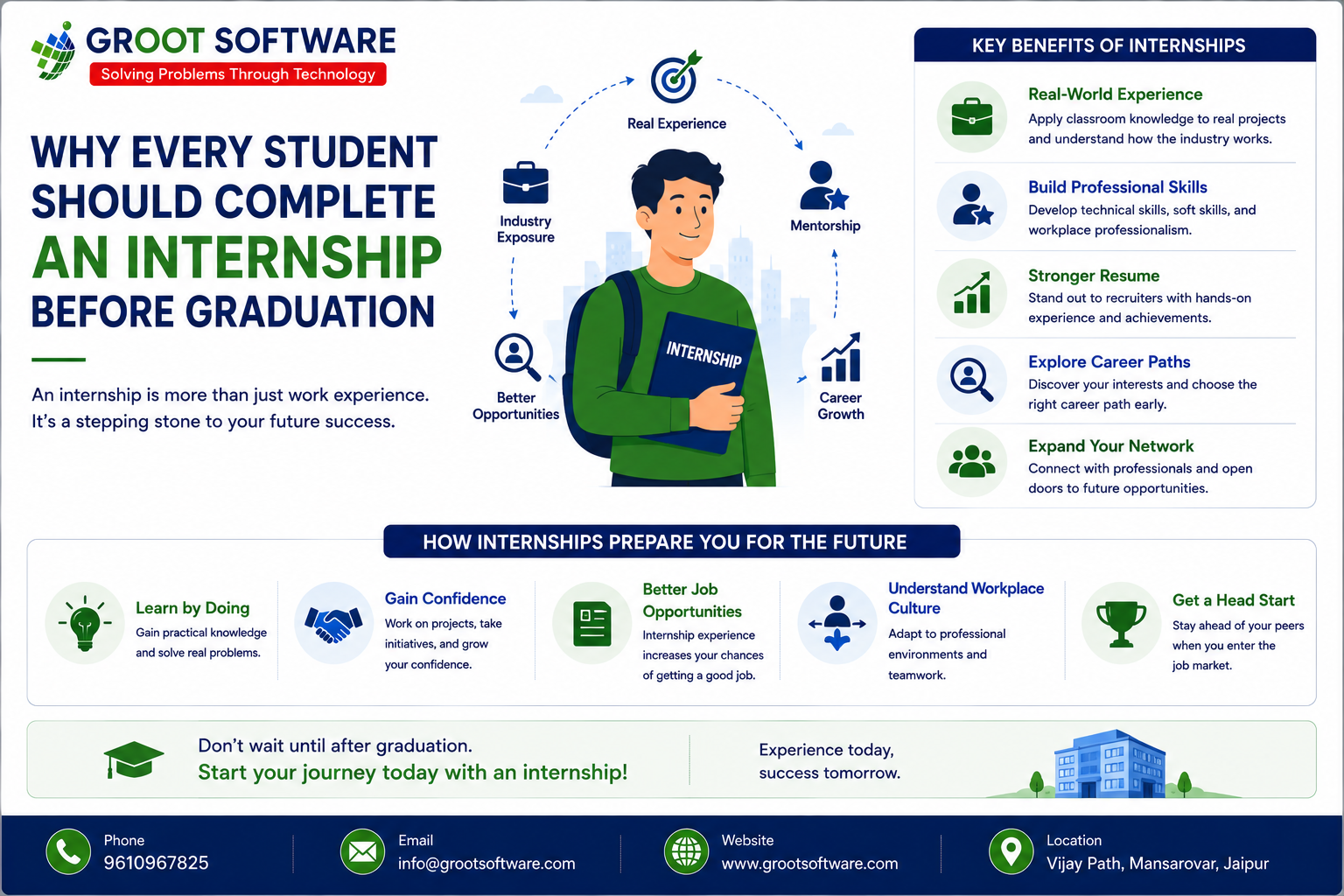
Lack of Industry Exposure
Students without internships often miss opportunities to learn:
- Development Workflows
- Team Collaboration
- Agile Methodologies
- Product Development Cycles
Industry exposure accelerates growth significantly.
Why Building Products Matters
Product development teaches skills that tutorials cannot.
Students learn:
Problem Solving
Real products introduce real challenges.
System Design
Understanding application architecture.
User Experience
Designing software people actually enjoy using.
Scalability
Supporting growing numbers of users.
Debugging
Finding and fixing real-world issues.
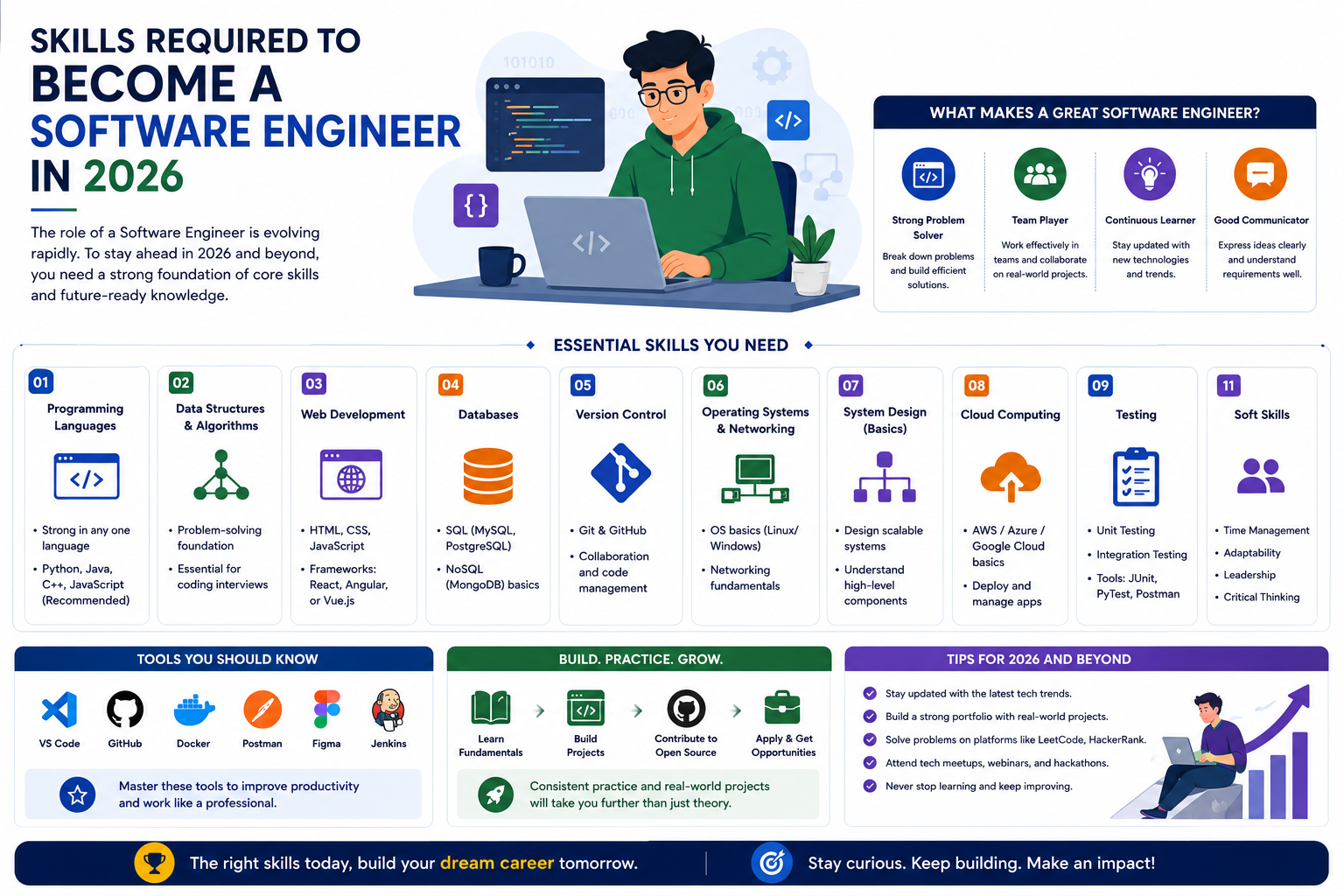
Skills Students Develop Through Product Building
- Programming
- Databases
- APIs
- Cloud Computing
- Git & GitHub
- UI/UX Design
- Project Management
- Communication
These skills make students more employable.
What Recruiters Really Want
Recruiters often prefer candidates who have built:
- Real Projects
- SaaS Applications
- Mobile Apps
- Open Source Contributions
over candidates who only possess theoretical knowledge.
Projects demonstrate:
- Initiative
- Technical Ability
- Practical Experience
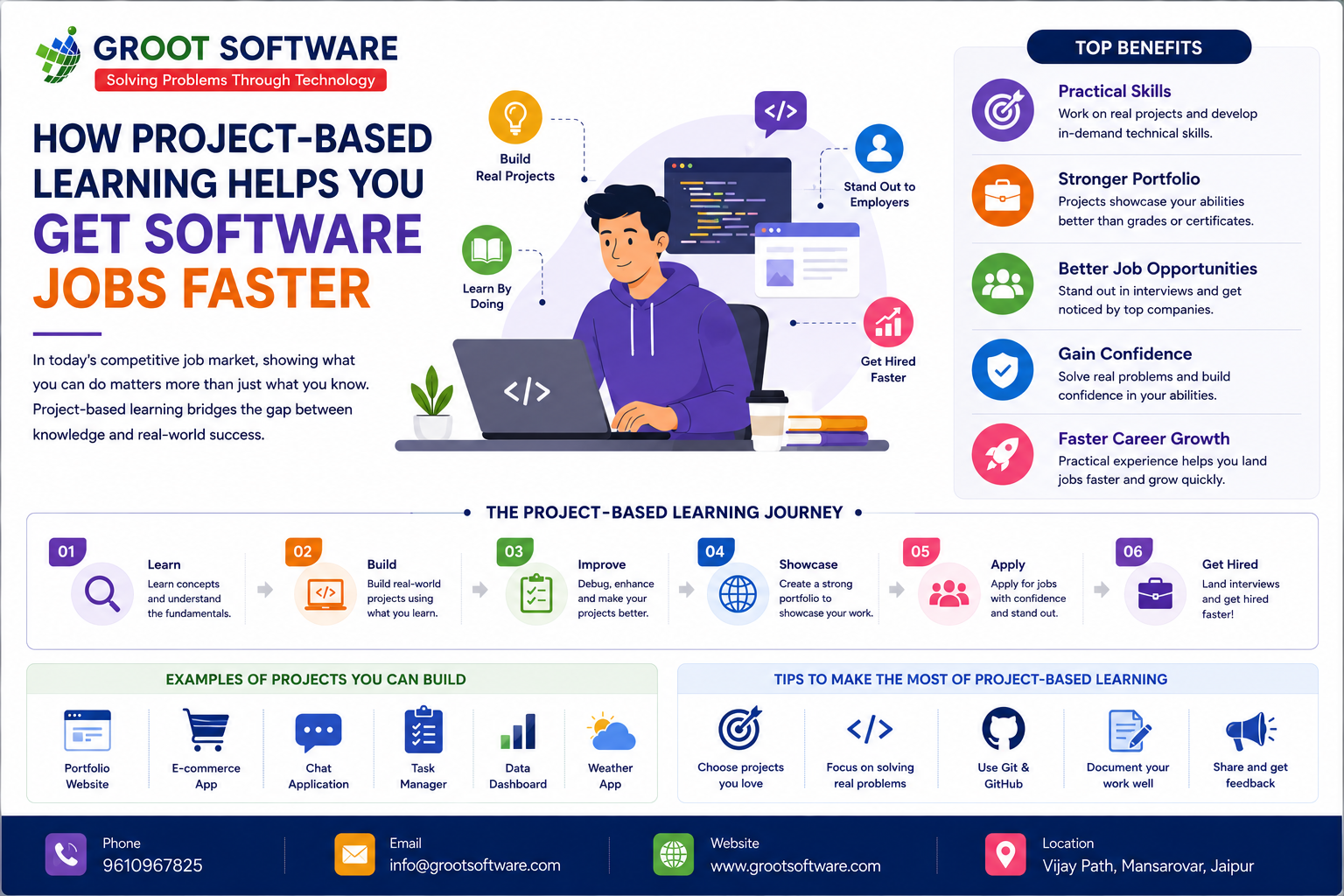
How Students Can Start Building Products
Step 1: Solve a Real Problem
Identify a challenge faced by students, businesses, or communities.
Step 2: Build a Minimum Viable Product (MVP)
Start small.
Focus on solving one problem effectively.
Step 3: Deploy the Product
Make it accessible online.
Step 4: Collect Feedback
Learn from users.
Step 5: Improve Continuously
Product development is an ongoing process.
Examples of Beginner-Friendly Products
- Student Attendance System
- Online Learning Portal
- Event Management System
- Job Portal
- Expense Tracker
- Inventory Management Tool
- AI Resume Analyzer
- Interview Preparation Platform
These projects provide valuable learning opportunities.
Common Myths
“I Need to Know Everything First”
False.
Most developers learn while building.
“My Product Must Be Perfect”
False.
Successful products evolve over time.
“I Need a Team Before Starting”
False.
Many products begin with a single developer.
Future of Software Careers
As AI automates routine coding tasks, employers increasingly value developers who can:
- Build Products
- Solve Problems
- Understand Users
- Deliver Business Value
Product-building skills will become even more important in the future.
Frequently Asked Questions
Do recruiters care about real projects?
Yes. Projects often demonstrate practical skills better than certifications.
Can students build products before graduation?
Absolutely. Many successful startups begin as student projects.
Is deployment necessary?
Yes. A deployed project shows end-to-end development capability.
What if my product fails?
Failure is part of learning. Every product teaches valuable lessons.
Conclusion
Most Computer Science students never build real software products because they focus on theory, tutorials, examinations, and programming languages rather than solving real-world problems. However, students who embrace product development gain practical experience, improve problem-solving abilities, and stand out in a competitive job market.
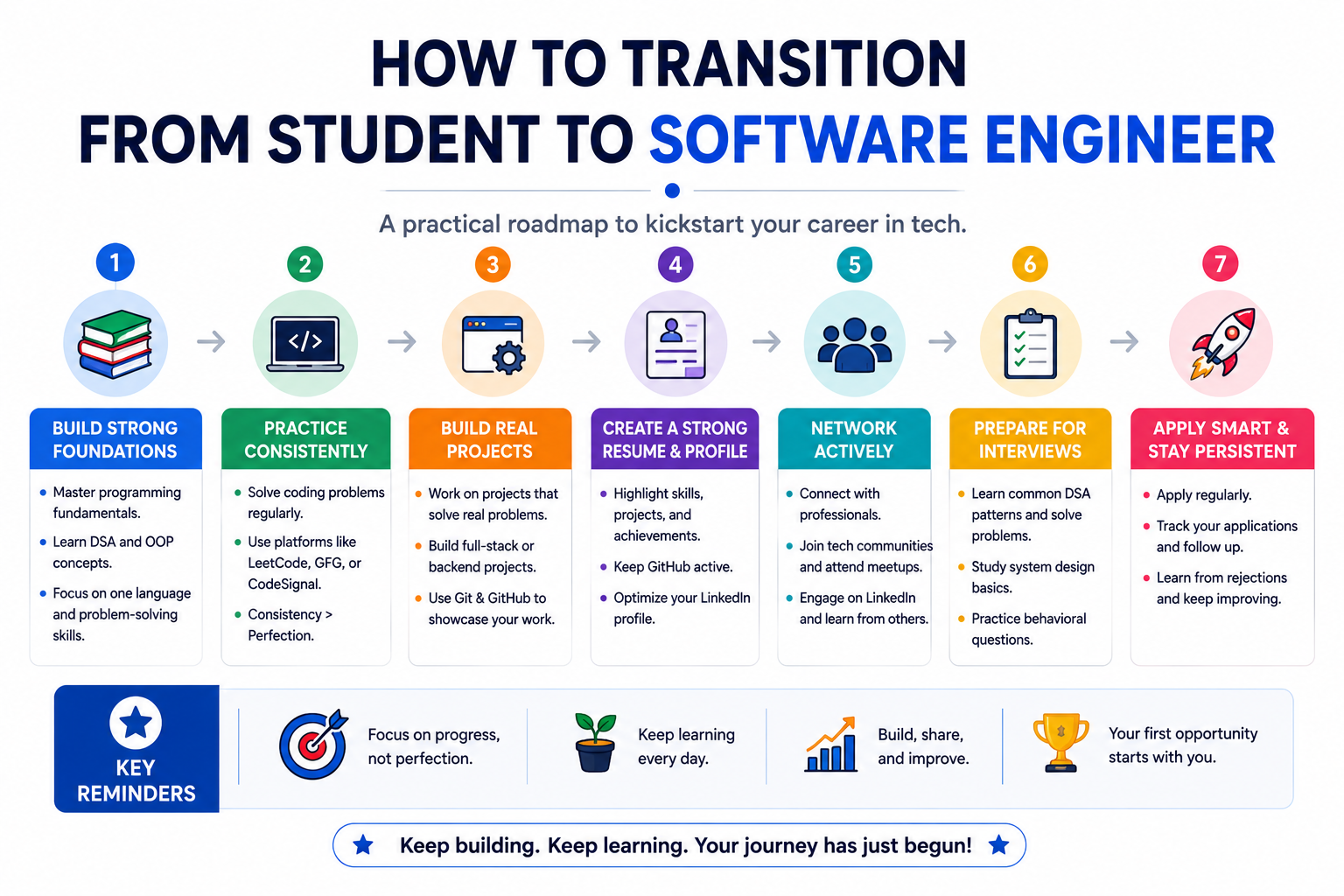
The transition from student to successful software engineer often begins when you stop asking, “What language should I learn?” and start asking, “What problem can I solve?”
The developers who build products today become the technology leaders, founders, and innovators of tomorrow.
🌐 Website: https://grootacademy.com
📺 YouTube: https://www.youtube.com/@YourGrootAcademy
📘 Facebook: http://facebook.com/GrootAcademy
📸 Instagram: https://www.instagram.com/groot.academy/
🐦 X: https://x.com/GrootAcademy
💼 LinkedIn: https://www.linkedin.com/company/grootacademy
📌 Pinterest: https://in.pinterest.com/mygrootacademy/