


Why Open Source Contributions Are Becoming the New Resume for Software Developers
One of the biggest challenges students and fresh graduates face is the classic dilemma:
“How do I get experience if no company hires me without experience?”
For decades, internships and entry-level jobs were the primary ways to gain professional experience. However, the software industry has evolved significantly. Today, many recruiters and engineering managers recognize that real-world open source contributions can demonstrate skills, collaboration, and technical ability as effectively as traditional work experience.
In fact, some developers have secured internships, full-time software engineering roles, and international opportunities primarily through their open source contributions.
Open source allows students to gain practical experience, collaborate with global developers, solve real-world problems, and build a public portfolio that recruiters can verify directly.
What is Open Source Software?
Open source software is software whose source code is publicly available for anyone to:
- View
- Use
- Modify
- Improve
- Contribute
Popular open source projects include:
- Linux
- Kubernetes
- Docker
- TensorFlow
- ReactJS
- Node.js
- VS Code
Thousands of developers worldwide collaborate on these projects.
Why Traditional Experience is Difficult for Students
Many students face challenges such as:
- Limited Internship Opportunities
- High Competition
- Lack of Industry Connections
- Experience Requirements
- Geographic Limitations
As a result, talented students often struggle to gain practical experience despite having strong technical skills.
Open source helps bridge this gap.
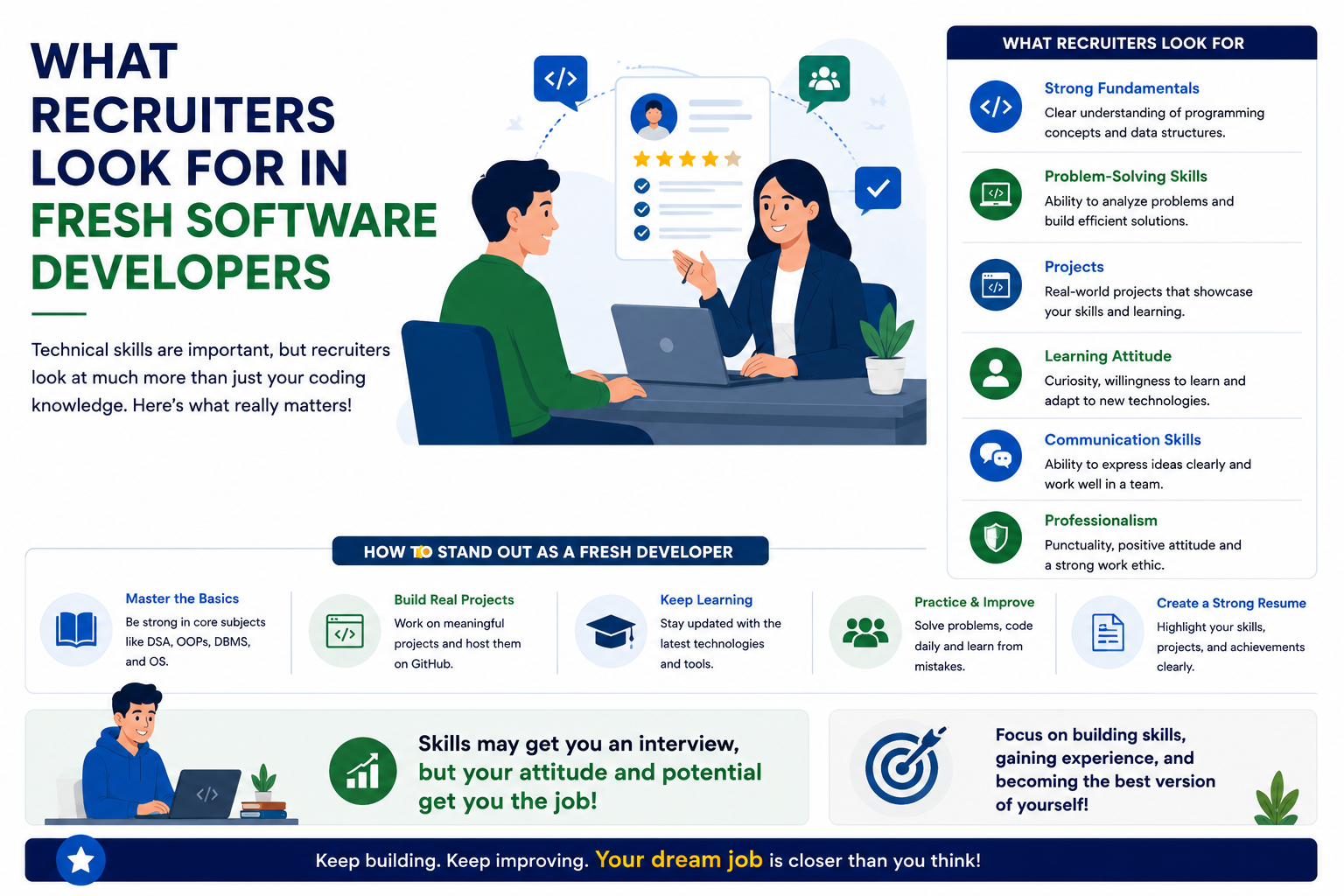
Why Recruiters Value Open Source Contributions
Open source contributions provide evidence of real-world capabilities.
Recruiters can evaluate:
- Code Quality
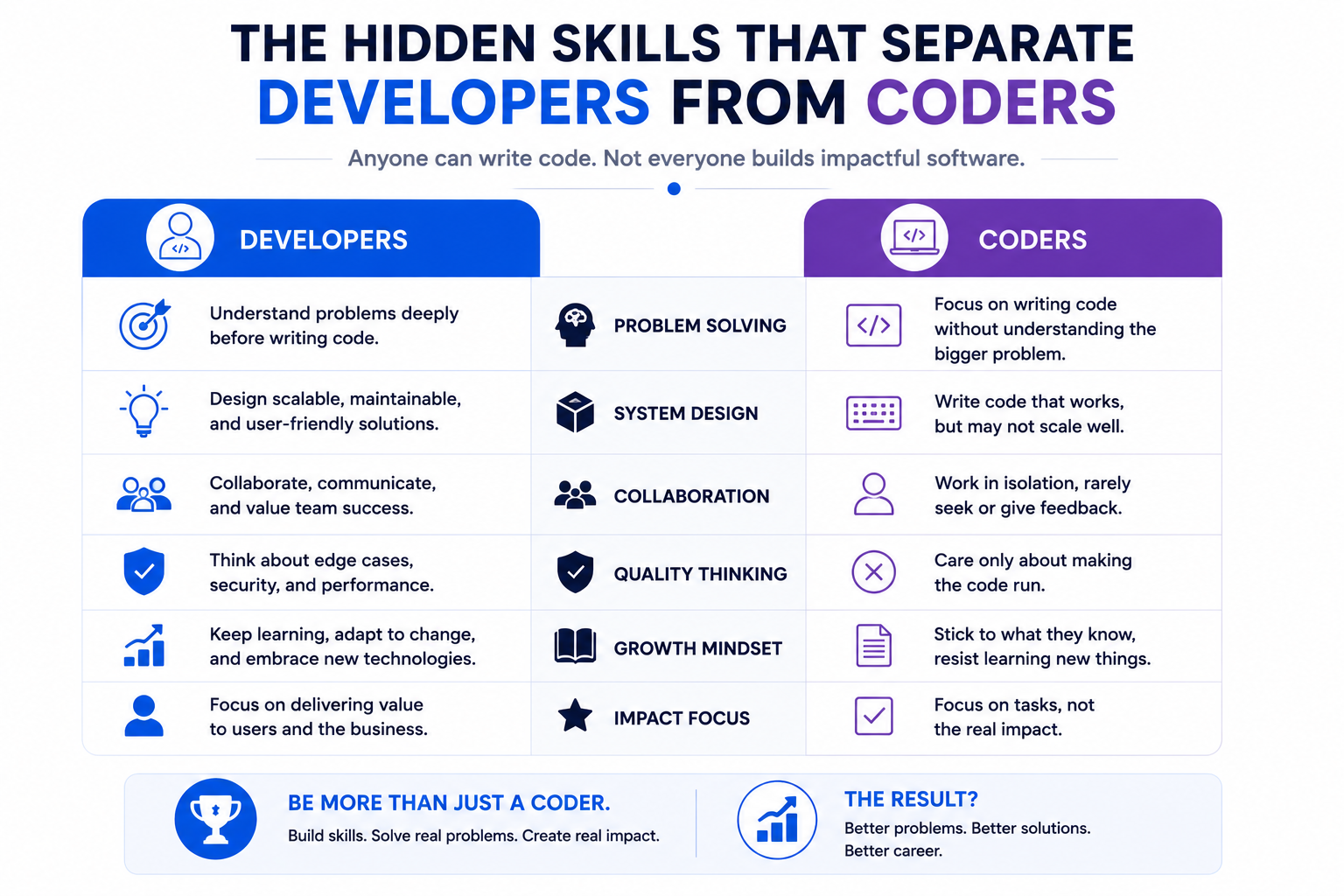
- Collaboration Skills
- Problem Solving
- Consistency
- Technical Knowledge
Unlike a resume, open source work is publicly visible and verifiable.
Open Source Demonstrates Real Development Experience
When contributing to open source projects, students perform activities similar to professional software engineers.
Examples include:
Writing Code
Implementing new features.
Fixing Bugs
Resolving real-world issues.
Code Reviews
Receiving feedback from experienced developers.
Team Collaboration
Working with contributors from different locations.
Documentation
Improving project usability.
These experiences closely resemble professional software development.
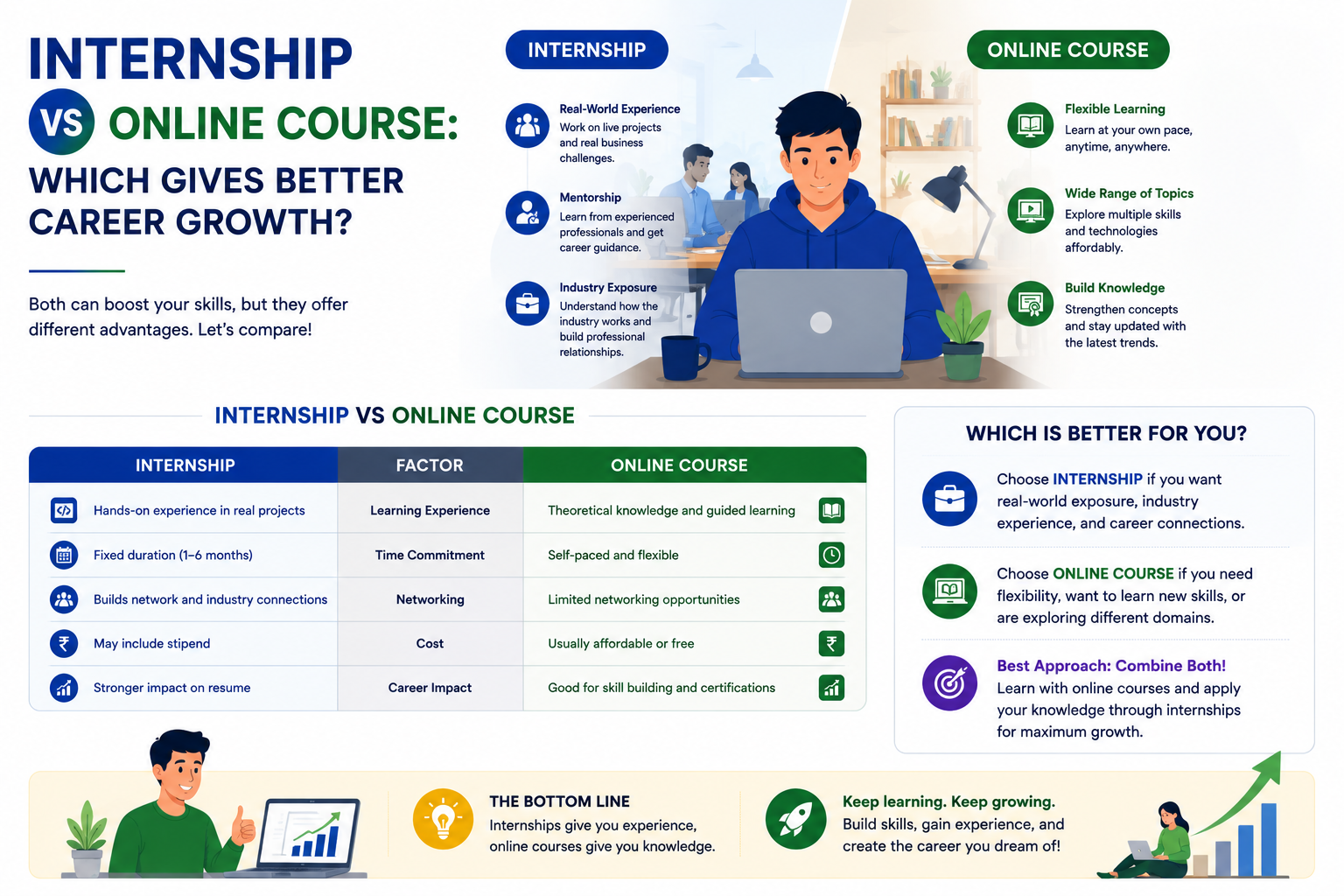
Open Source vs Traditional Experience
| Open Source Contributions | Traditional Internship |
|---|---|
| Publicly Visible Work | Limited Visibility |
| Global Collaboration | Company Team Only |
| Flexible Schedule | Fixed Schedule |
| Build Public Portfolio | Private Work |
| Learn from Global Experts | Learn from Company Team |
Both are valuable, but open source often provides broader exposure.
Skills Developed Through Open Source
Technical Skills
Students improve:
- Programming
- Debugging
- Testing
- System Design
Collaboration Skills
Developers learn:
- Git
- GitHub
- Pull Requests
- Code Reviews
Communication Skills
Contributors discuss:
- Issues
- Features
- Solutions
Professional communication becomes essential.
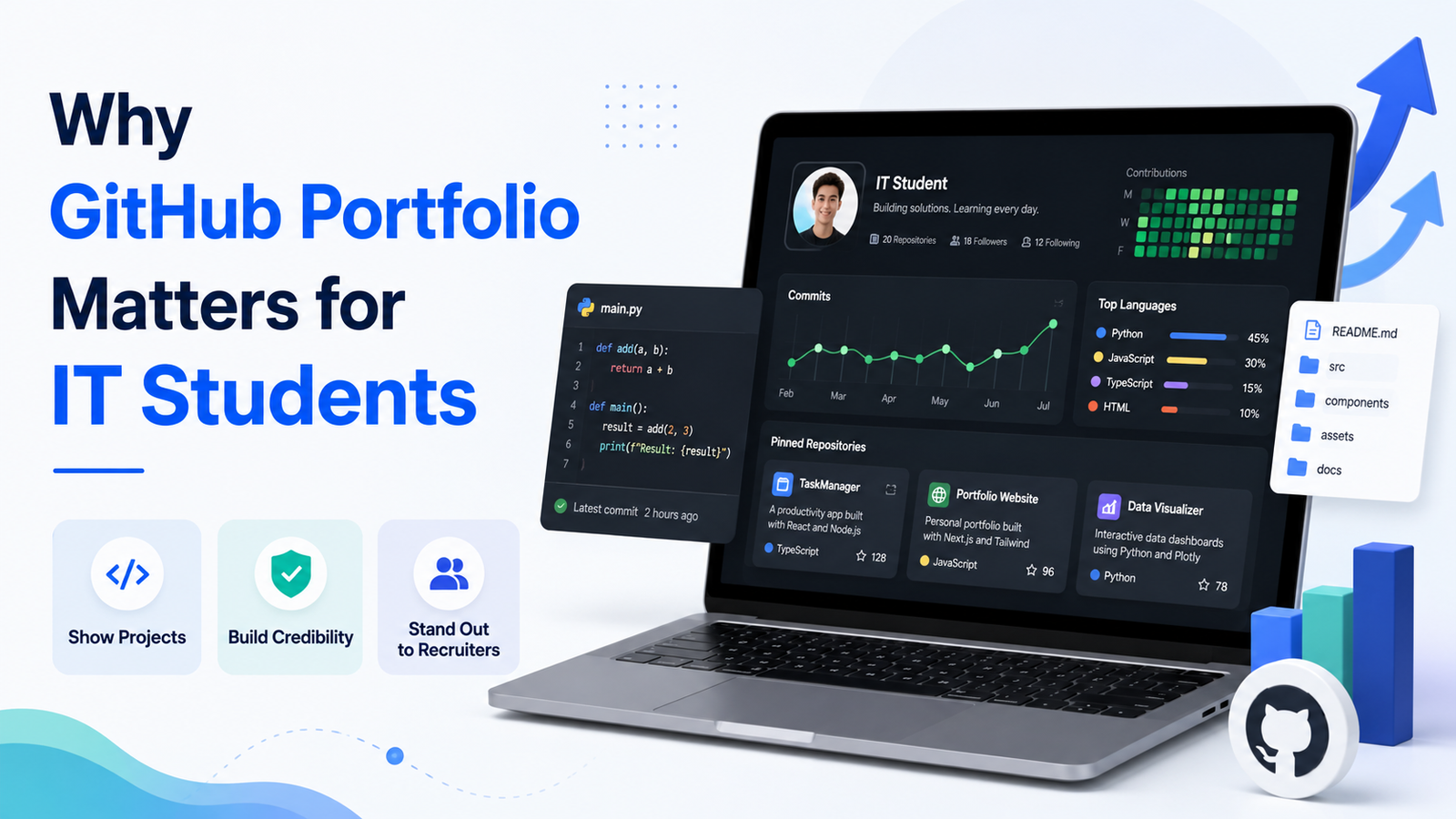
Why GitHub Matters
GitHub serves as a public record of contributions.
Recruiters can review:
- Repositories
- Commits
- Pull Requests
- Issues
- Discussions
A strong GitHub profile can become a powerful career asset.
Open Source Shows Initiative
Companies appreciate candidates who:
- Learn Independently
- Solve Problems
- Contribute to Communities
Open source demonstrates motivation and self-learning ability.
These qualities are highly valued in technology careers.
Real-World Example
Imagine two candidates:
Candidate A
- Strong Resume
- No Projects
- No Public Contributions
Candidate B
- Active GitHub Profile
- Multiple Open Source Contributions
- Public Pull Requests
- Community Involvement
Recruiters often find Candidate B easier to evaluate because their work is visible.
How Open Source Builds Industry-Level Skills
Students gain experience with:
Version Control
Using Git and GitHub professionally.
Agile Practices
Working through issues and feature requests.
Large Codebases
Understanding real-world software architecture.
Code Reviews
Learning industry coding standards.
Collaboration
Working with distributed teams.
These skills directly translate to professional environments.
Open Source and Software Engineering Interviews
Contributions provide excellent discussion points during interviews.
Interviewers often ask:
- What projects have you contributed to?
- What challenges did you solve?
- How did you handle feedback?
- What technologies did you use?
Open source creates strong talking points.
Best Open Source Projects for Beginners
Students can start with:
Documentation Contributions
Improve guides and tutorials.
Bug Fixes
Resolve small issues.
Testing
Improve project quality.
UI Improvements
Enhance user experience.
Feature Development
Build new functionality.
Small contributions often lead to larger opportunities.
Common Open Source Platforms
GitHub
The most popular platform.
GitLab
Used by many organizations.
Apache Foundation Projects
Enterprise-grade open source projects.
CNCF Projects
Cloud-native technologies.
These platforms offer valuable learning opportunities.
How to Start Contributing
Step 1: Learn Git and GitHub
Understand:
- Branches
- Commits
- Pull Requests
Step 2: Choose a Project
Select a project related to your interests.
Step 3: Read Documentation
Understand project goals and contribution guidelines.
Step 4: Solve Small Issues
Begin with beginner-friendly tasks.
Step 5: Submit Pull Requests
Contribute code improvements.
Step 6: Learn from Feedback
Improve continuously.
Common Mistakes Beginners Make
Starting with Large Projects
Begin with manageable tasks.
Fear of Rejection
Feedback is part of the learning process.
Ignoring Documentation
Understanding project guidelines is essential.
Chasing Quantity
Focus on meaningful contributions.
Quality matters more than numbers.
Why Open Source Helps Freshers Stand Out
Open source contributions demonstrate:
✅ Practical Experience
✅ Problem Solving
✅ Collaboration
✅ Initiative
✅ Technical Skills
These qualities often matter more than academic grades alone.
Career Opportunities Created by Open Source
Open source can lead to:
- Internships
- Software Engineering Roles
- Freelance Projects
- Networking Opportunities
- Technical Mentorship
Many developers have launched successful careers through community contributions.
Future of Hiring
The software industry is increasingly moving toward skills-based hiring.
Recruiters are placing greater emphasis on:
- Projects
- GitHub Profiles
- Open Source Contributions
- Demonstrated Skills
rather than relying solely on degrees and resumes.
Frequently Asked Questions
Can open source replace internships?
In many cases, yes. Strong contributions can demonstrate practical experience comparable to internships.
Do recruiters check GitHub profiles?
Many recruiters and engineering managers review GitHub portfolios.
Can beginners contribute to open source?
Absolutely. Many projects welcome first-time contributors.
Do I need to be an expert?
No. Most contributors learn while participating.
Conclusion
Open source contributions provide one of the best ways for students and fresh graduates to gain real-world software development experience. They offer opportunities to work on production-level projects, collaborate with global communities, improve technical skills, and build a public portfolio that recruiters can evaluate.
In a world where experience is highly valued, open source allows students to create their own opportunities rather than waiting for someone to provide them. For aspiring software engineers, contributing to open source may be one of the smartest investments in long-term career growth.
🌐 Website: https://grootacademy.com
📺 YouTube: https://www.youtube.com/@YourGrootAcademy
📘 Facebook: http://facebook.com/GrootAcademy
📸 Instagram: https://www.instagram.com/groot.academy/
🐦 X: https://x.com/GrootAcademy
💼 LinkedIn: https://www.linkedin.com/company/grootacademy
📌 Pinterest: https://in.pinterest.com/mygrootacademy/