


What Recruiters Look for Before Hiring Freshers in the Technology Industry
Every year, thousands of students graduate with degrees in Computer Science, Information Technology, Artificial Intelligence, Data Science, and Software Engineering. While many graduates possess similar academic qualifications, recruiters often select candidates based on their skills, practical experience, and ability to contribute to real projects.
The IT industry is evolving rapidly, and companies are no longer looking for candidates who only understand theoretical concepts. Organizations want professionals who can solve problems, learn quickly, work in teams, and apply technology to business challenges.
Understanding the skills IT companies expect from fresh graduates can help students prepare effectively and improve their chances of securing internships, placements, and software development jobs.
Why Skills Matter More Than Degrees
A degree proves that a student has completed an academic program.
However, employers also want evidence that candidates can:
- Write Code
- Solve Problems
- Work on Projects
- Learn New Technologies
- Collaborate with Teams
- Adapt to Industry Requirements
This is why skills often play a major role in recruitment decisions.
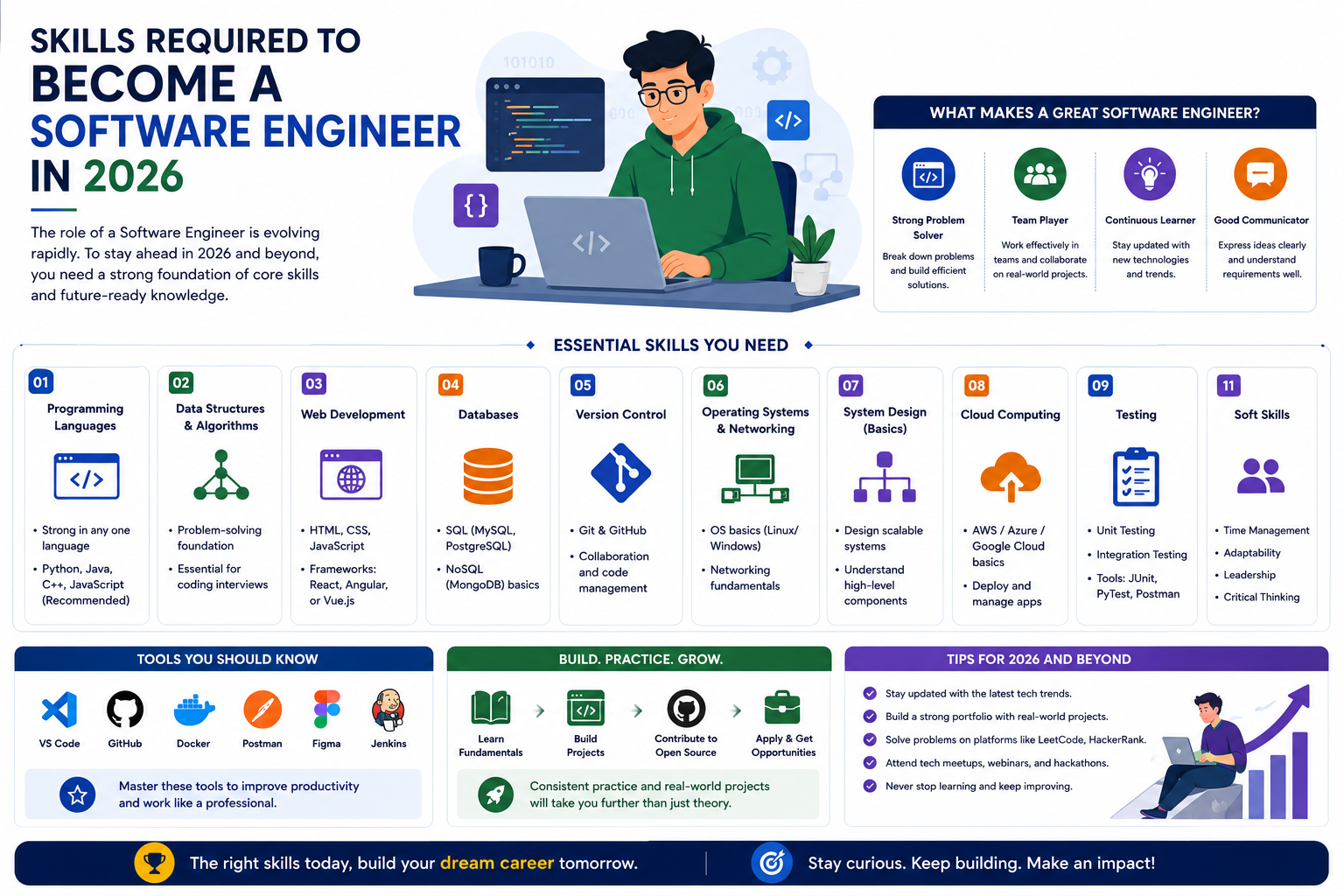
Technical Skills Companies Expect
Programming Fundamentals
Strong programming knowledge remains one of the most important requirements.
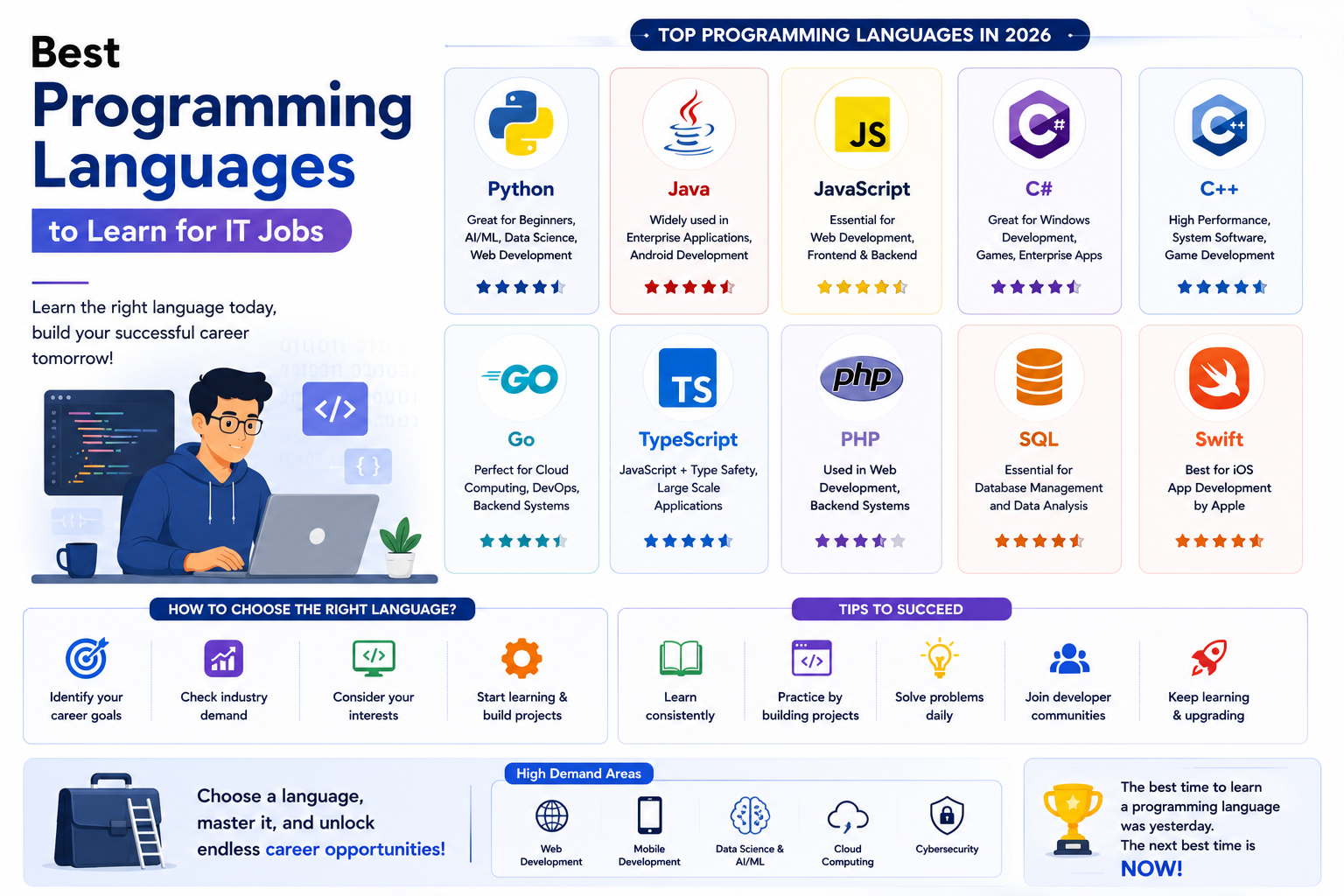
Popular languages include:
- Java
- Python
- JavaScript
- C++
- C#
Students should understand:
- Variables
- Functions
- Loops
- Object-Oriented Programming
- Exception Handling
Programming logic is more important than memorizing syntax.
Data Structures and Algorithms (DSA)
Many IT companies evaluate DSA during technical interviews.
Important topics include:
- Arrays
- Linked Lists
- Stacks
- Queues
- Trees
- Graphs
- Sorting Algorithms
- Searching Algorithms
DSA helps developers build efficient and scalable applications.
Database Knowledge
Most modern applications rely on databases.
Fresh graduates should understand:
SQL Databases
- MySQL
- PostgreSQL
- SQL Server
NoSQL Databases
- MongoDB
- Redis
Important concepts:
- CRUD Operations
- Joins
- Relationships
- Database Design
Web Development Fundamentals
Even if students do not specialize in web development, understanding web technologies is valuable.
Topics include:
Frontend
- HTML
- CSS
- JavaScript
Backend
- APIs
- Client-Server Architecture
- Authentication
Web development knowledge helps students understand how modern applications work.
Git and GitHub
Version control is a standard requirement in software development.
Students should learn:
- Git Basics
- Branching
- Merging
- Pull Requests
- Repository Management
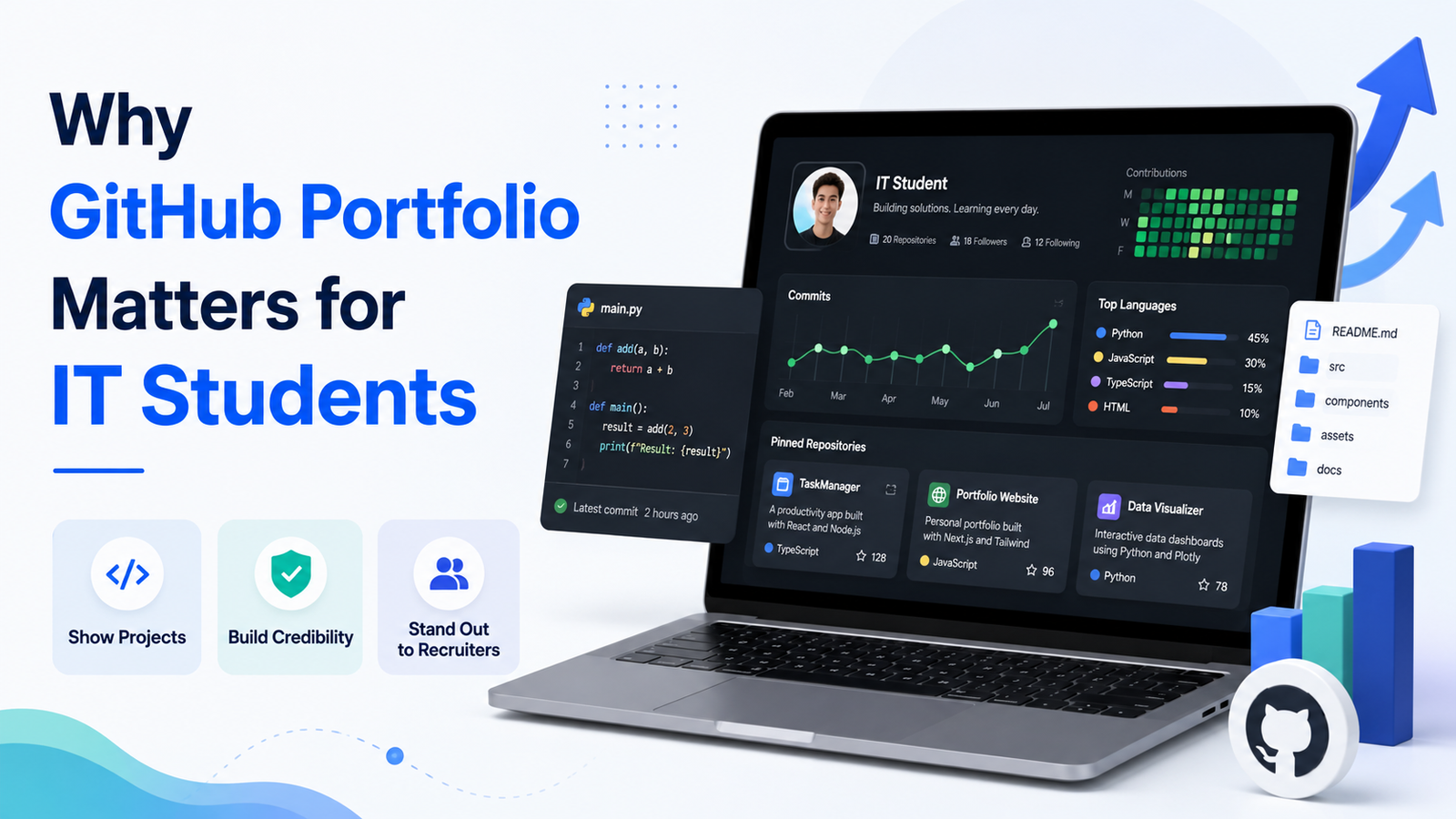
GitHub portfolios help recruiters evaluate practical skills.
Cloud Computing Awareness
Cloud technologies are increasingly important.
Popular platforms include:
- AWS
- Microsoft Azure
- Google Cloud Platform
Basic cloud knowledge improves employability and future career growth.
Understanding of Software Development Lifecycle (SDLC)
Companies expect graduates to understand how software is developed.
Important stages include:
- Requirement Gathering
- Design
- Development
- Testing
- Deployment
- Maintenance
Understanding SDLC improves teamwork and project participation.
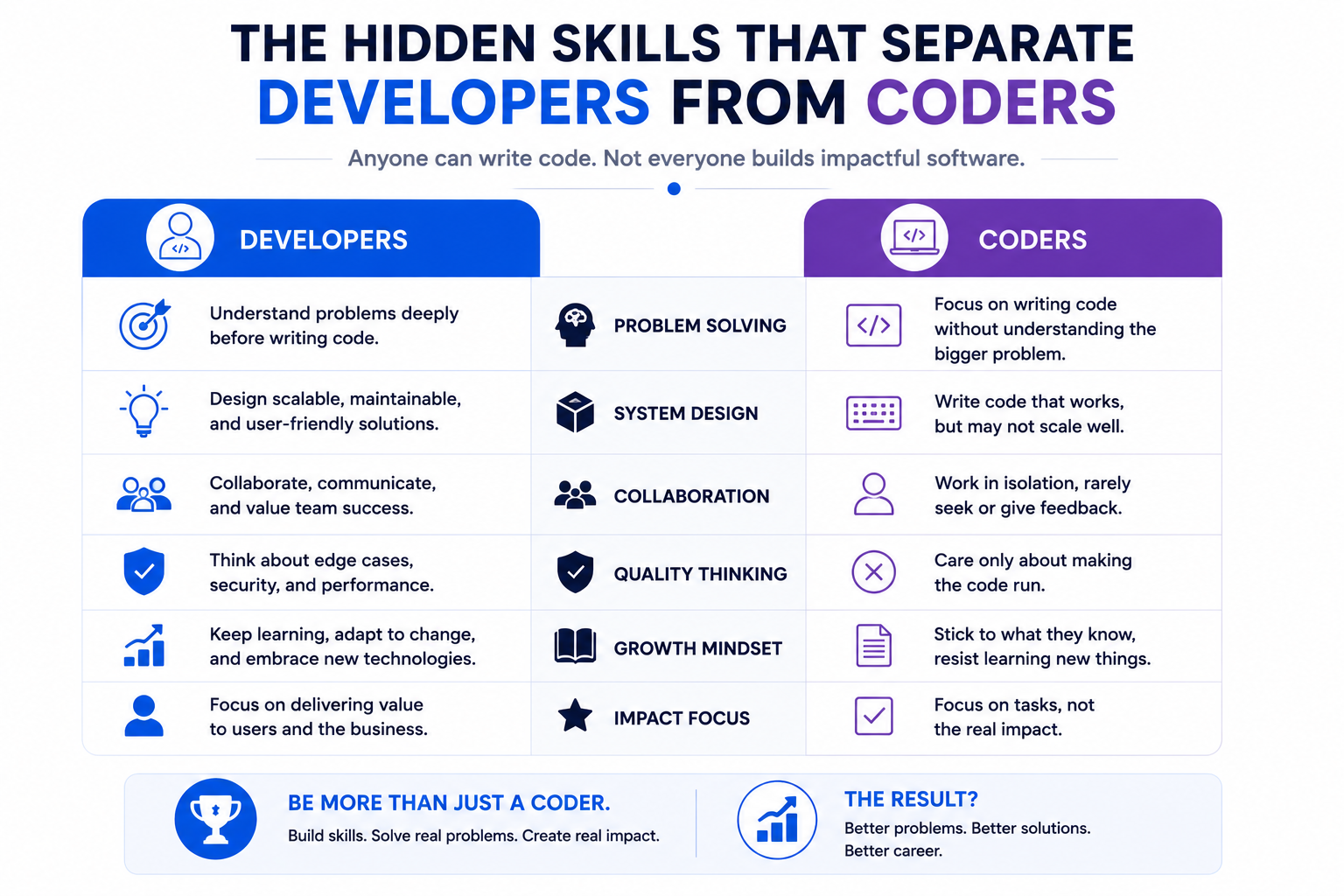
Problem-Solving Skills
One of the most valued abilities in software development is problem solving.
Developers constantly face:
- Bugs
- Performance Issues
- Business Challenges
- Technical Constraints
Companies want candidates who can think logically and find effective solutions.
Communication Skills
Technical skills alone are not enough.
Fresh graduates should be able to:
- Explain Ideas Clearly
- Participate in Discussions
- Present Solutions
- Collaborate with Teams
Good communication often improves workplace performance and career growth.
Teamwork and Collaboration
Software projects are built by teams, not individuals.
Recruiters value candidates who can:
- Work With Others
- Accept Feedback
- Share Knowledge
- Contribute Positively
Collaboration is a critical workplace skill.
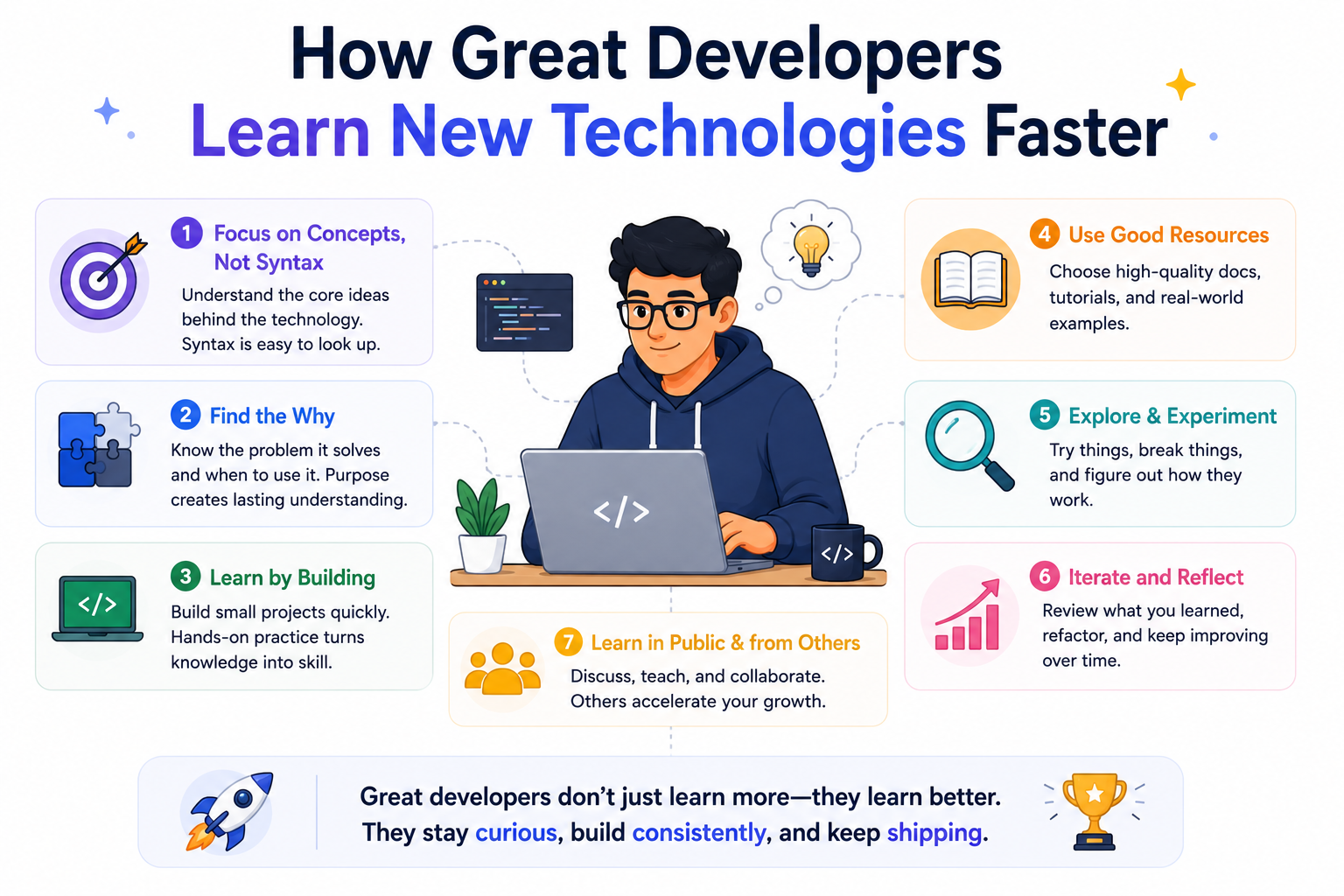
Adaptability and Continuous Learning
Technology changes rapidly.
Companies prefer candidates who:
- Learn New Technologies
- Stay Updated
- Adapt Quickly
- Show Curiosity
Continuous learning is essential for long-term success.
Importance of Real Projects
Projects help students apply theoretical knowledge.
Examples include:
- E-Commerce Applications
- AI Chatbots
- Portfolio Websites
- Management Systems
- Mobile Applications
Projects demonstrate practical skills and problem-solving ability.
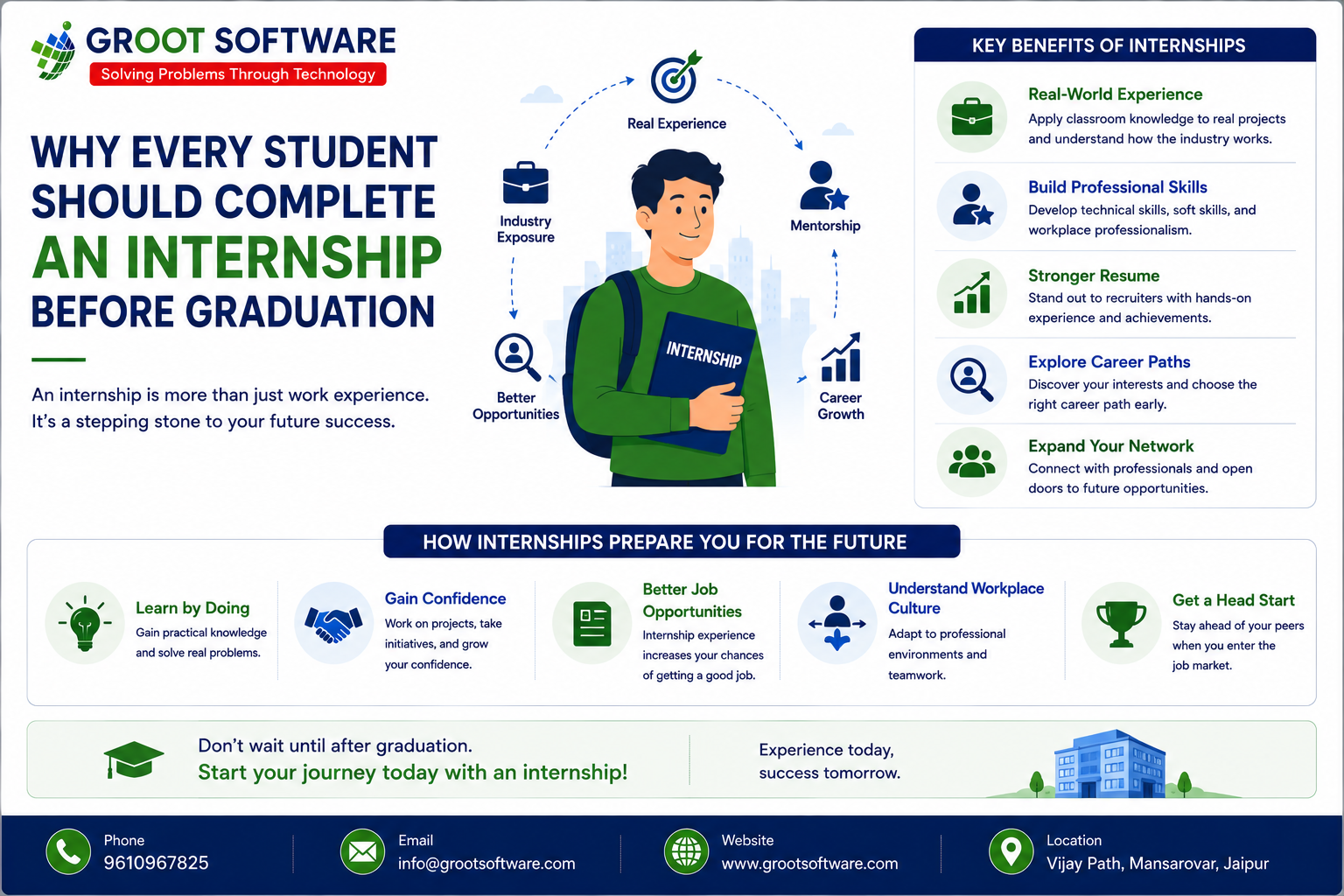
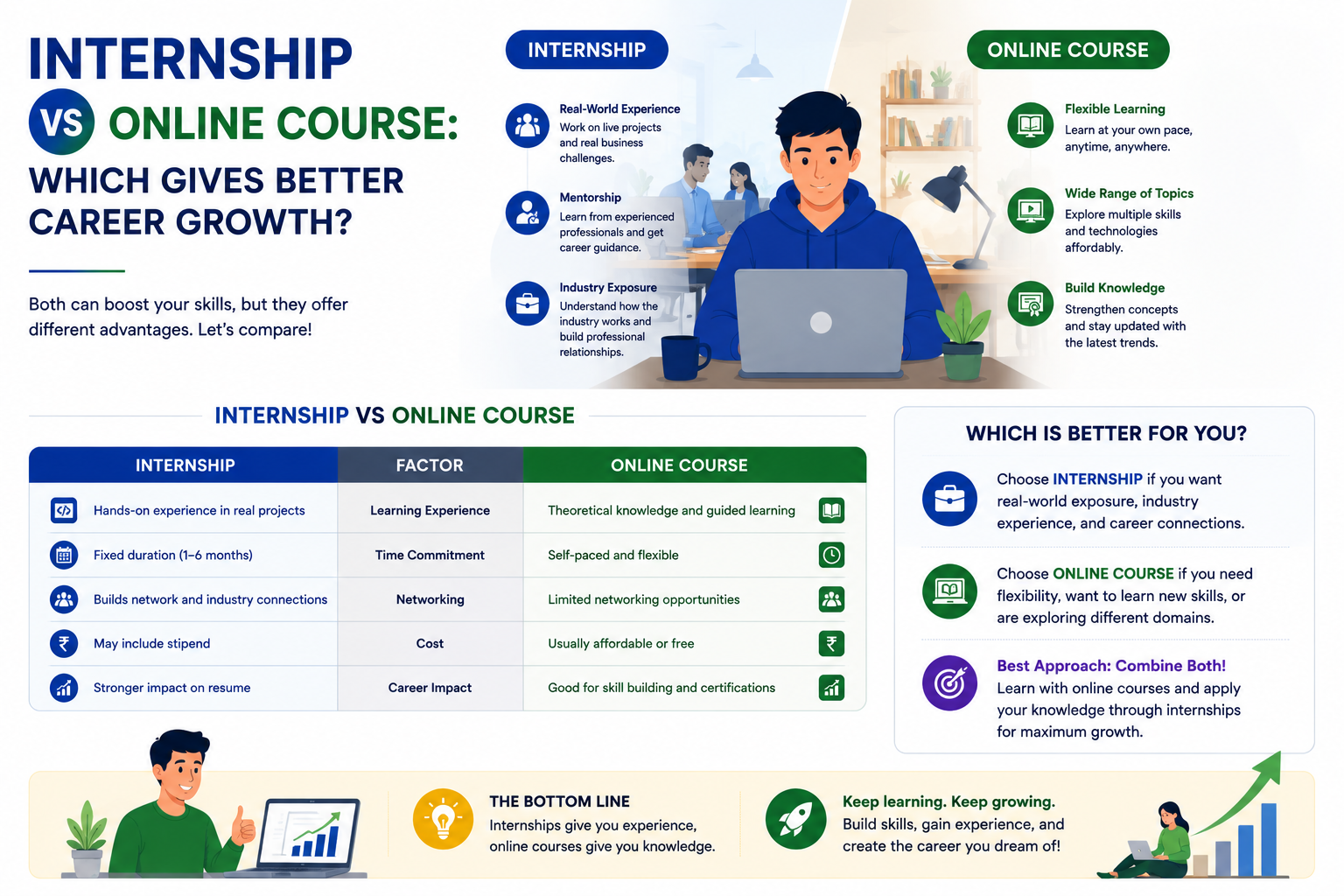
Internship Experience
Internships provide:
- Industry Exposure
- Professional Workflows
- Team Collaboration
- Real Project Experience
Candidates with internship experience often stand out during hiring.
Time Management Skills
Employers appreciate candidates who can:
- Meet Deadlines
- Prioritize Tasks
- Manage Work Efficiently
Time management improves productivity and reliability.
Analytical Thinking
IT professionals regularly analyze:
- System Performance
- User Requirements
- Technical Problems
- Business Needs
Analytical thinking helps developers make better decisions.
Professionalism and Work Ethics
Companies expect fresh graduates to demonstrate:
- Responsibility
- Integrity
- Discipline
- Positive Attitude
Professional behavior contributes to long-term career success.
Common Mistakes Fresh Graduates Make
Focusing Only on Certifications
Certificates are valuable, but projects and practical skills are equally important.
Ignoring Communication Skills
Technical knowledge alone is not enough.
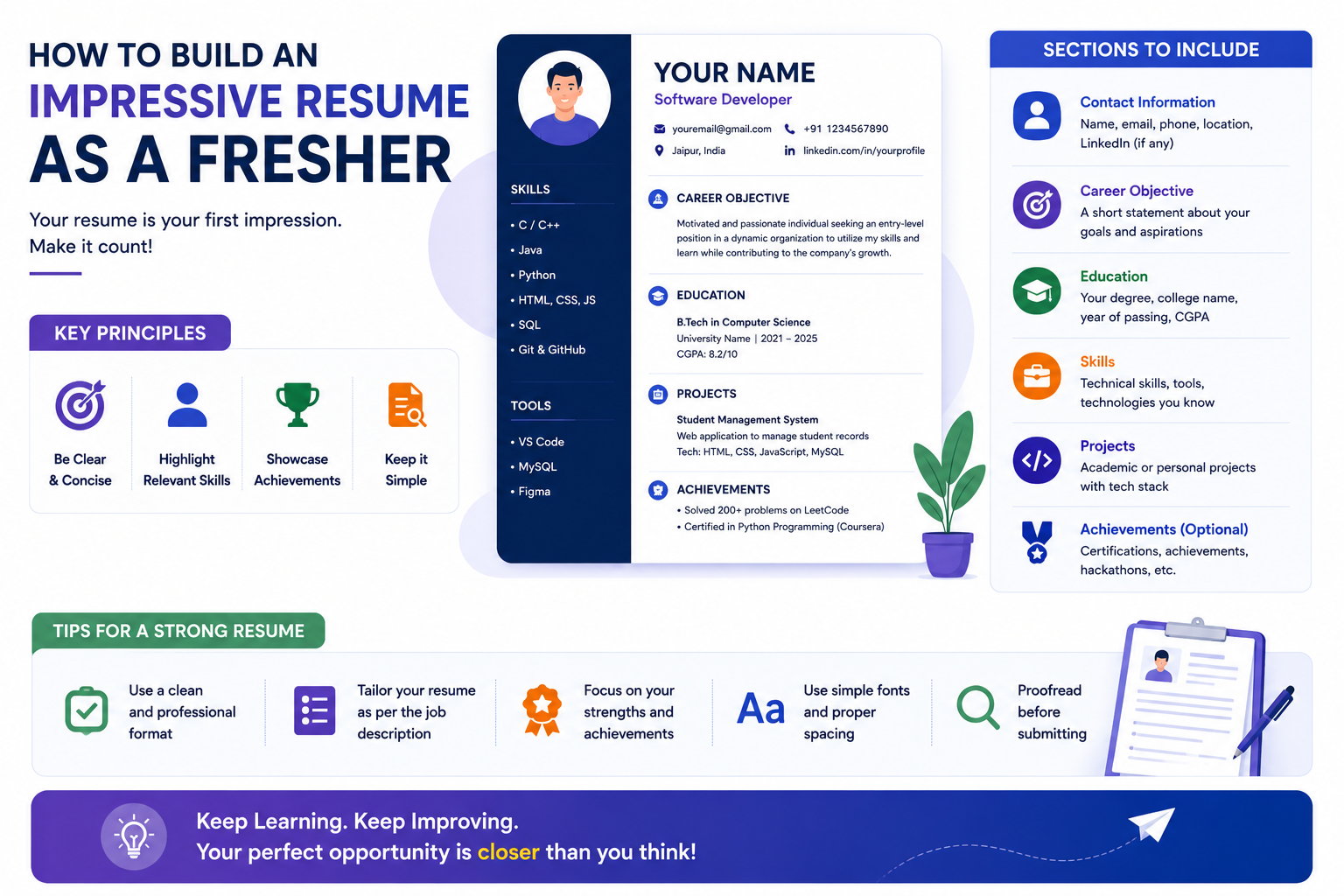
Not Building a Portfolio
Projects and GitHub profiles strengthen resumes.
Avoiding Internships
Practical experience helps students become job-ready.
Learning Without Practice
Skills improve through hands-on application.
How Students Can Prepare for IT Jobs
Build Real Projects
Develop practical applications.
Learn Git and GitHub
Create a professional portfolio.
Practice Coding Regularly
Improve problem-solving ability.
Complete Internships
Gain industry experience.
Improve Communication Skills
Participate in presentations and discussions.
Stay Updated
Follow technology trends and industry developments.
Frequently Asked Questions
Are technical skills enough to get hired?
No. Companies also evaluate communication, teamwork, and problem-solving skills.
Do recruiters check GitHub profiles?
Many technology companies review GitHub portfolios.
Is internship experience important?
Yes. Internships provide practical exposure and improve employability.
What skill is most important?
Problem-solving ability is often considered one of the most valuable skills.
Conclusion
IT companies expect fresh graduates to possess a combination of technical knowledge, practical experience, communication skills, teamwork abilities, and problem-solving capabilities. Students who focus on projects, internships, GitHub portfolios, continuous learning, and professional development often become stronger candidates for technology careers.
The most successful graduates are those who combine academic learning with real-world application and consistently work on improving their skills.
🌐 Website: https://grootacademy.com
📺 YouTube: https://www.youtube.com/@YourGrootAcademy
📘 Facebook: http://facebook.com/GrootAcademy
📸 Instagram: https://www.instagram.com/groot.academy/
🐦 X: https://x.com/GrootAcademy
💼 LinkedIn: https://www.linkedin.com/company/grootacademy
📌 Pinterest: https://in.pinterest.com/mygrootacademy/