


The Complete Roadmap for Future Software Engineers
The software industry continues to evolve rapidly with advancements in Artificial Intelligence, Cloud Computing, Cybersecurity, Data Science, DevOps, and Full Stack Development. As we move into 2026, software engineers are expected to possess more than just programming knowledge.
Modern companies are looking for professionals who can solve complex problems, build scalable systems, collaborate effectively, and adapt to new technologies quickly.
Whether you are a student, fresher, or working professional planning a career in software engineering, understanding the skills required in 2026 can help you stay ahead of the competition and prepare for long-term success.
What Does a Software Engineer Do?
A software engineer designs, develops, tests, deploys, and maintains software applications.
Software engineers work on:
- Web Applications
- Mobile Applications
- Enterprise Software
- Cloud Platforms
- Artificial Intelligence Systems
- Data Processing Systems
- Cybersecurity Solutions
Their primary goal is to solve business and user problems through technology.
Why Software Engineering is Evolving
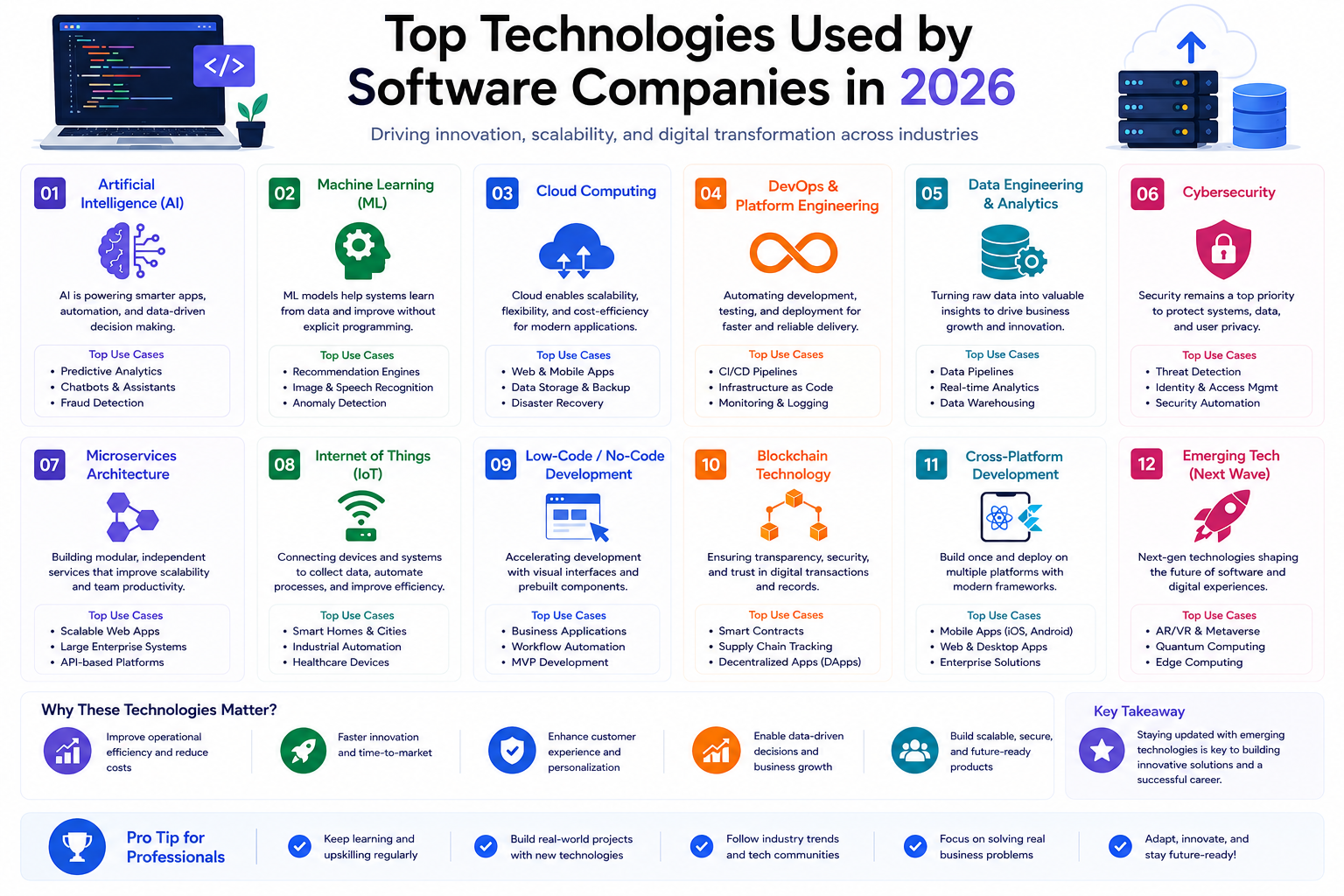
Several technological trends are changing industry requirements:
- Artificial Intelligence Integration
- Cloud Computing Adoption
- Automation
- Cybersecurity Challenges
- Big Data Growth
- Distributed Systems
- DevOps Practices
As a result, software engineers need a broader skill set than ever before.
Core Technical Skills Required in 2026
Programming Fundamentals
Strong programming fundamentals remain the foundation of software engineering.
Popular languages include:
- Python
- Java
- JavaScript
- C++
- C#
- Go
Students should understand:
- Variables
- Functions
- Loops
- OOP Concepts
- Error Handling
- Memory Management
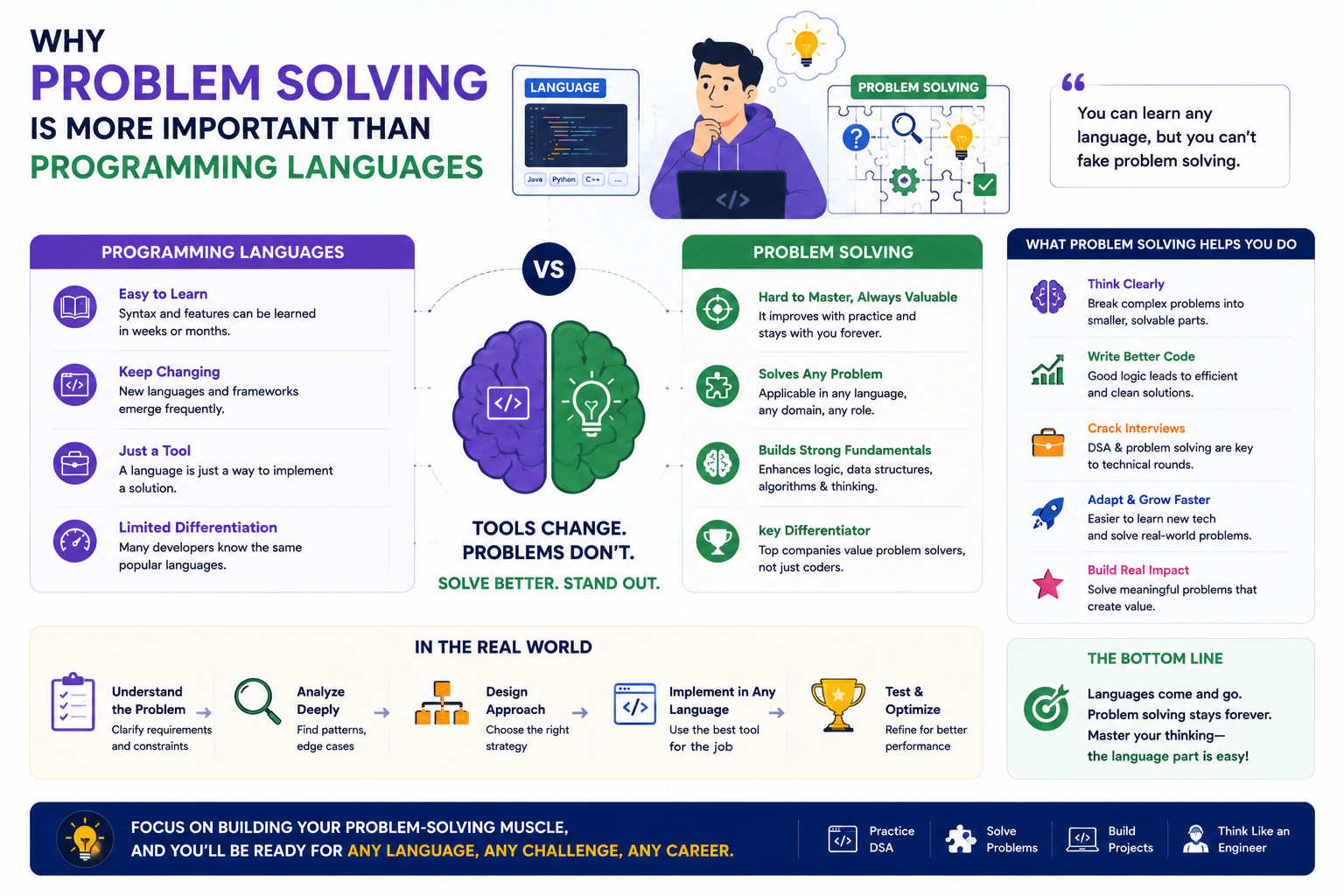
Programming logic remains more important than any specific language.
Data Structures and Algorithms
Data Structures and Algorithms (DSA) are essential for problem-solving and technical interviews.
Important topics include:
- Arrays
- Linked Lists
- Stacks
- Queues
- Trees
- Graphs
- Hash Tables
- Dynamic Programming
DSA improves coding efficiency and analytical thinking.
Database Skills
Most software applications depend on databases.
Students should learn:
SQL Databases
- MySQL
- PostgreSQL
- SQL Server
NoSQL Databases
- MongoDB
- Redis
- Cassandra
Important concepts:
- Database Design
- Normalization
- Query Optimization
- Relationships
Web Development Skills
Even backend developers benefit from understanding web technologies.
Essential skills include:
Frontend
- HTML
- CSS
- JavaScript
- ReactJS
- Angular
Backend
- Node.js
- Spring Boot
- Django
- ASP.NET
APIs
Understanding REST APIs and modern API architectures is crucial.
Version Control Systems
Software teams use version control to manage code.
Students should master:
- Git
- GitHub
- GitLab
Key concepts:
- Branching
- Pull Requests
- Merging
- Code Reviews
Cloud Computing
Cloud skills are becoming increasingly important.
Popular platforms:
- AWS
- Microsoft Azure
- Google Cloud Platform
Important concepts:
- Cloud Deployment
- Virtual Machines
- Storage Services
- Serverless Computing
Cloud knowledge improves employability significantly.
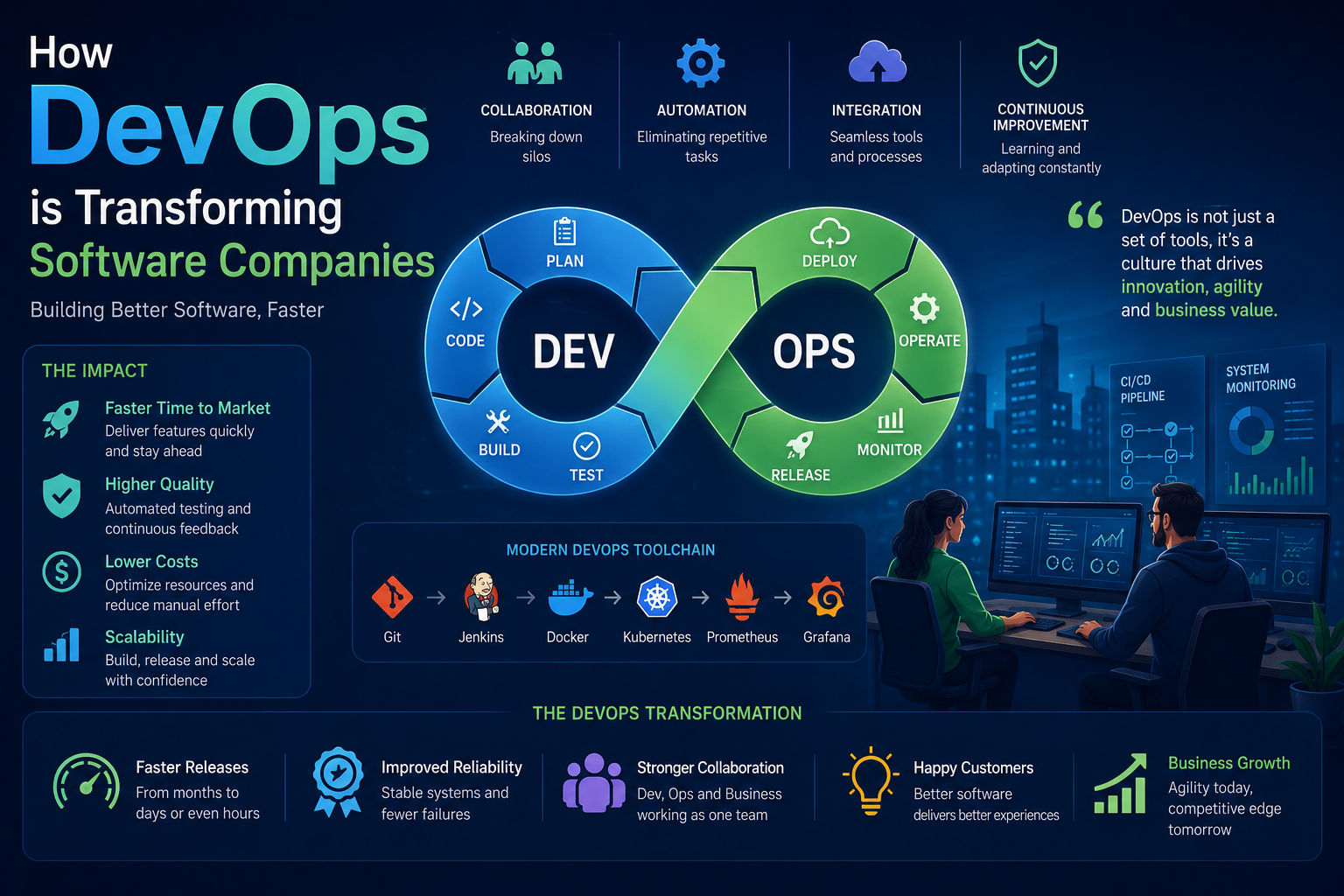
DevOps Skills
Modern software development relies heavily on DevOps practices.
Important tools:
- Docker
- Kubernetes
- Jenkins
- GitHub Actions
Key concepts:
- Continuous Integration
- Continuous Deployment
- Infrastructure Automation
Artificial Intelligence Awareness
AI is transforming software engineering.
Software engineers should understand:
- Machine Learning Basics
- AI APIs
- Prompt Engineering
- AI Integration
Even developers not specializing in AI benefit from AI literacy.
Cybersecurity Fundamentals
Security is a critical aspect of modern applications.
Students should understand:
- Authentication
- Authorization
- Encryption
- Secure Coding Practices
- OWASP Security Principles
Software Design and Architecture
As developers grow professionally, architectural knowledge becomes increasingly important.
Important concepts include:
- Design Patterns
- Microservices
- System Design
- Scalability
- Performance Optimization
Soft Skills Required in 2026
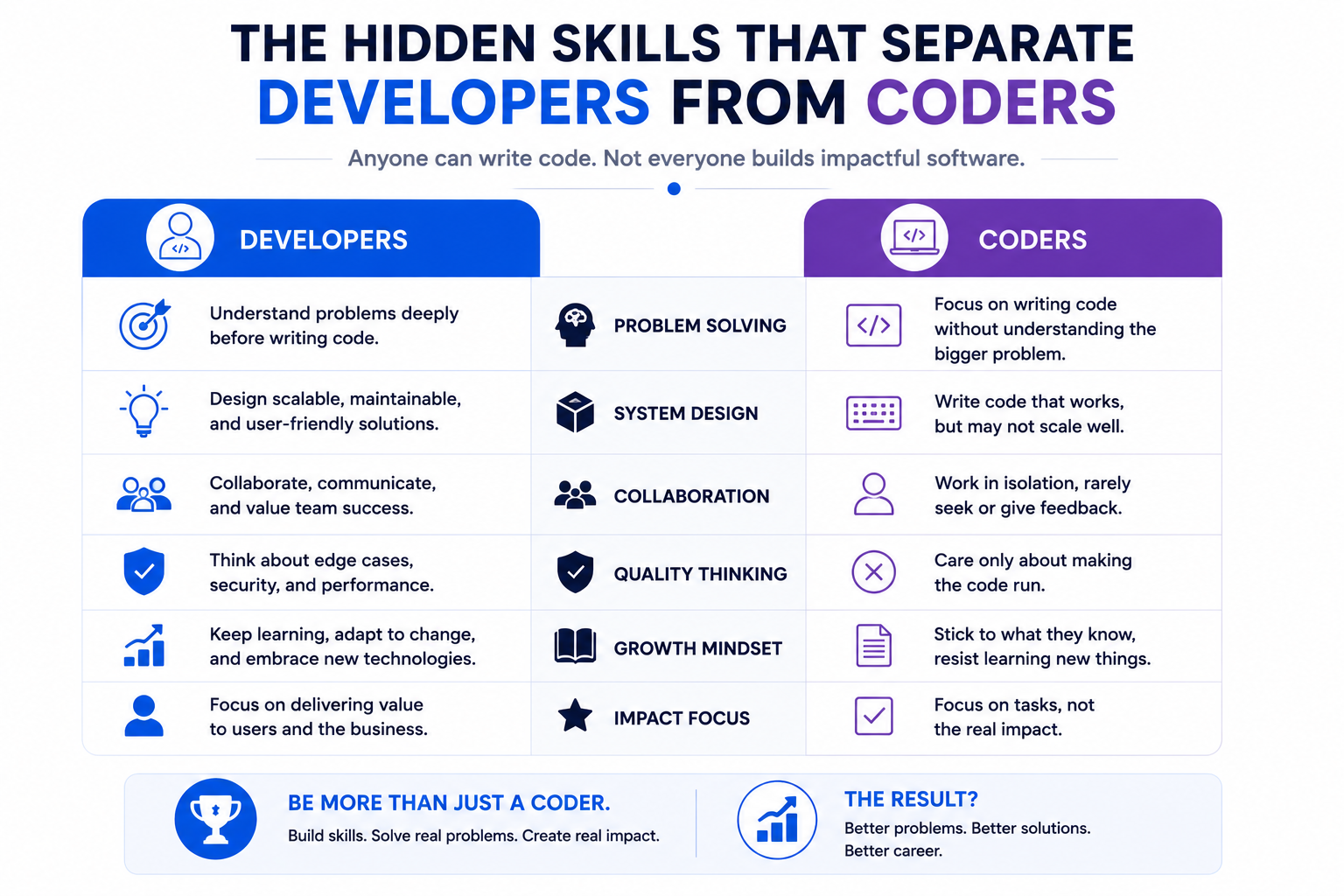
Problem-Solving Skills
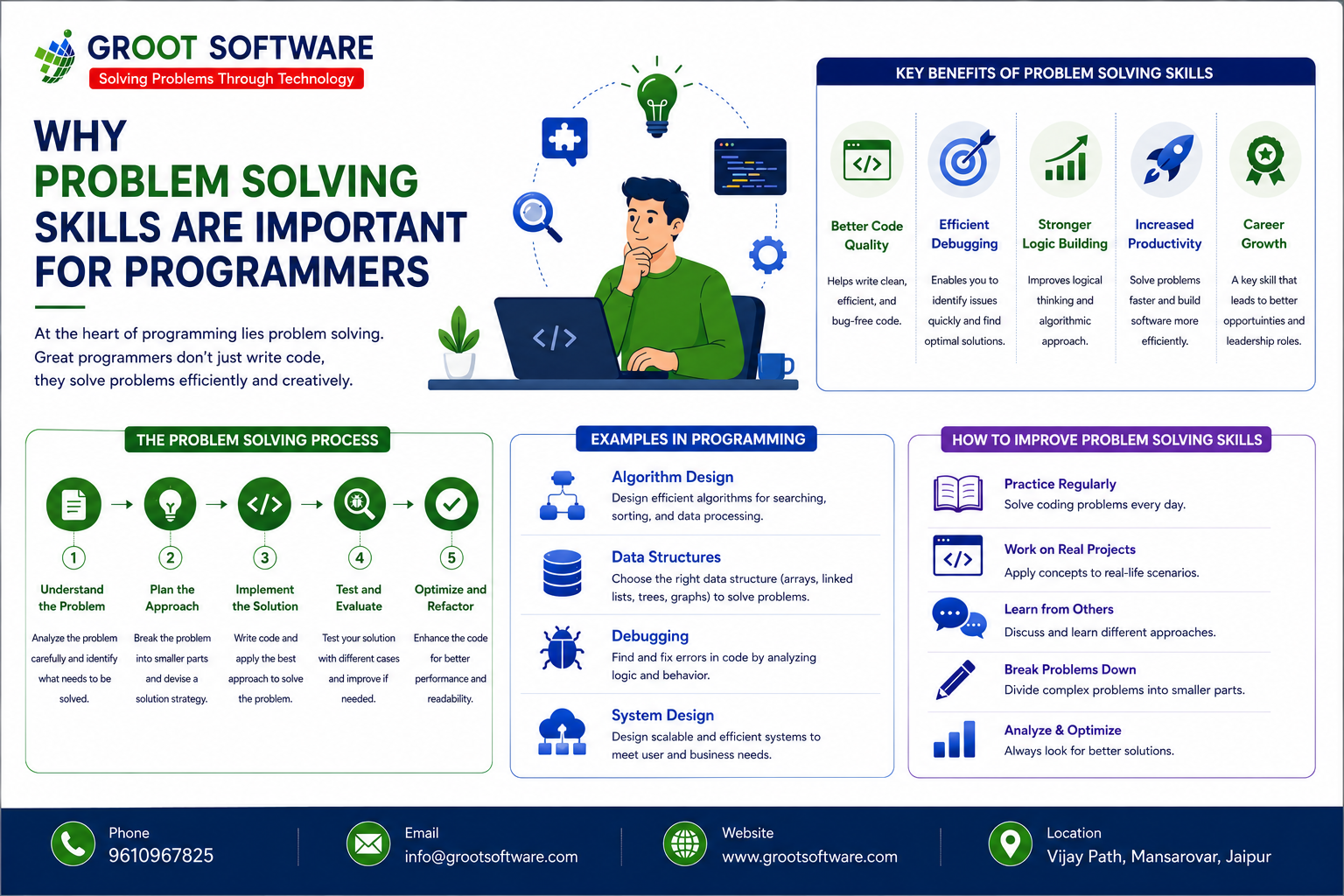
Problem-solving remains one of the most important skills for software engineers.
Developers constantly face:
- Bugs
- Performance Issues
- Business Challenges
- Technical Constraints
Communication Skills
Software engineers regularly communicate with:
- Team Members
- Managers
- Clients
- Designers
- QA Engineers
Clear communication improves collaboration and productivity.
Teamwork
Modern software development is collaborative.
Students should learn:
- Agile Methodologies
- Scrum Practices
- Team Collaboration
Adaptability
Technology evolves rapidly.
Engineers who continuously learn remain competitive.
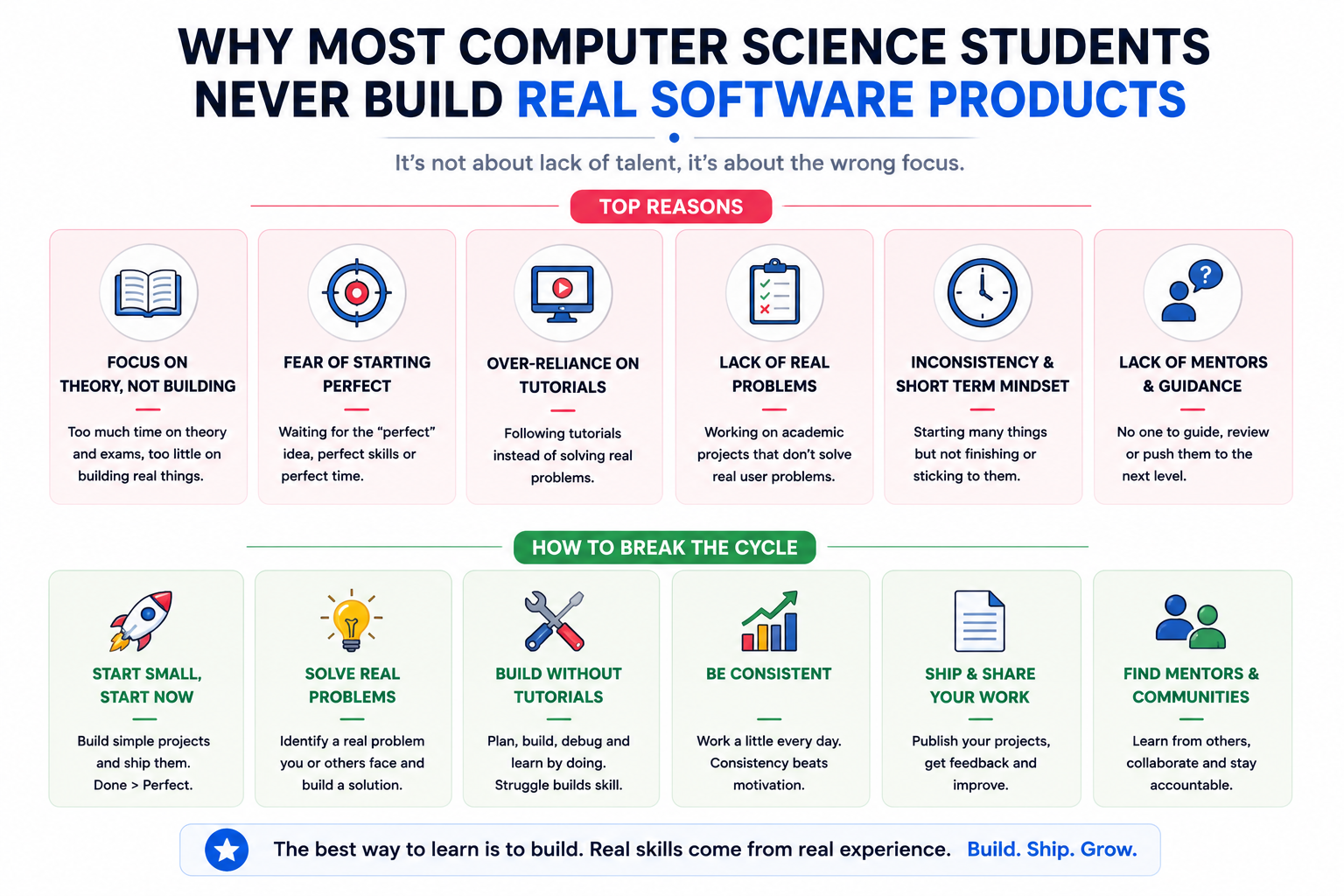
Importance of Real Projects
Projects help students:
- Apply Knowledge
- Build Portfolios
- Gain Practical Experience
- Improve Problem-Solving Skills
Examples:
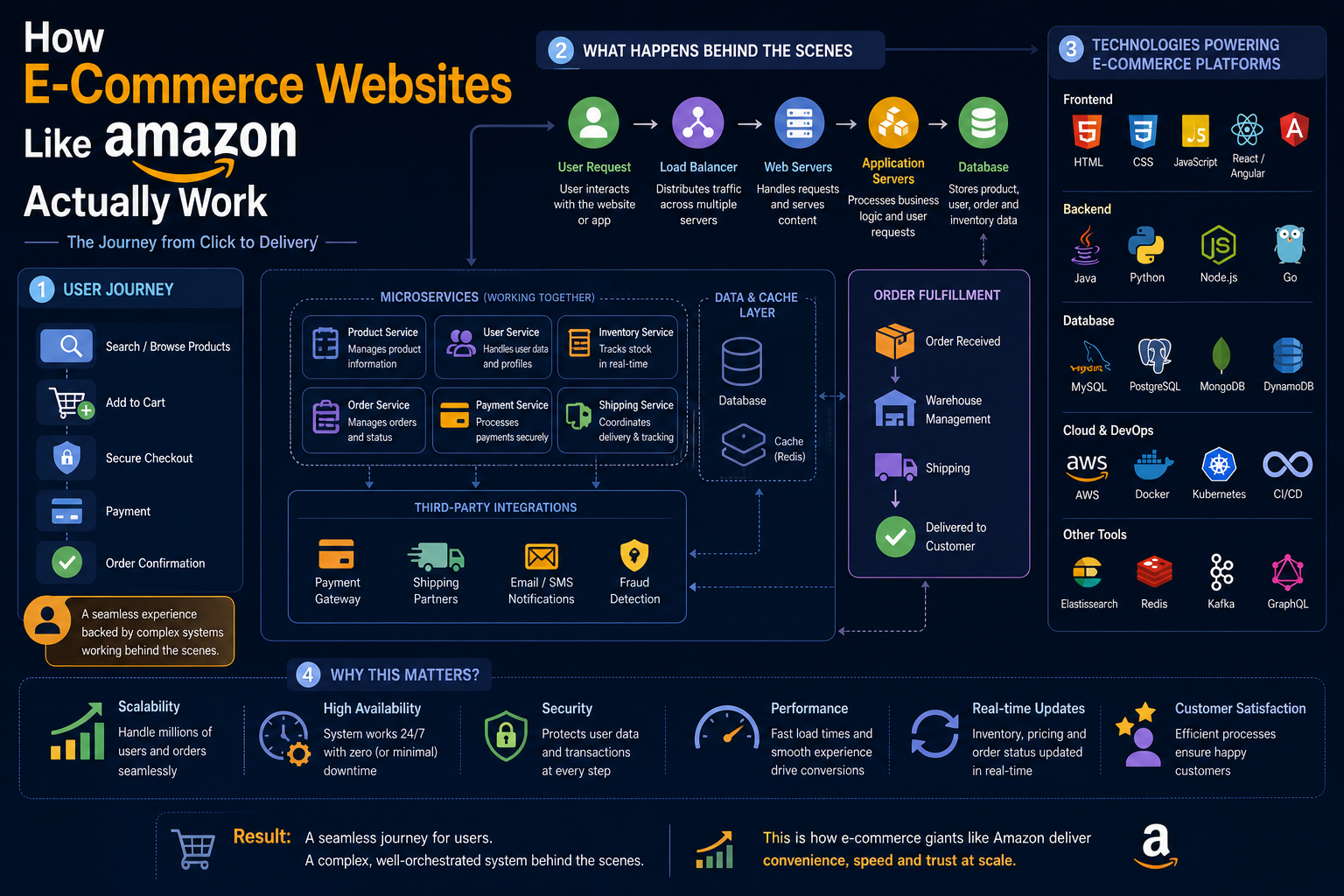
- E-Commerce Platforms
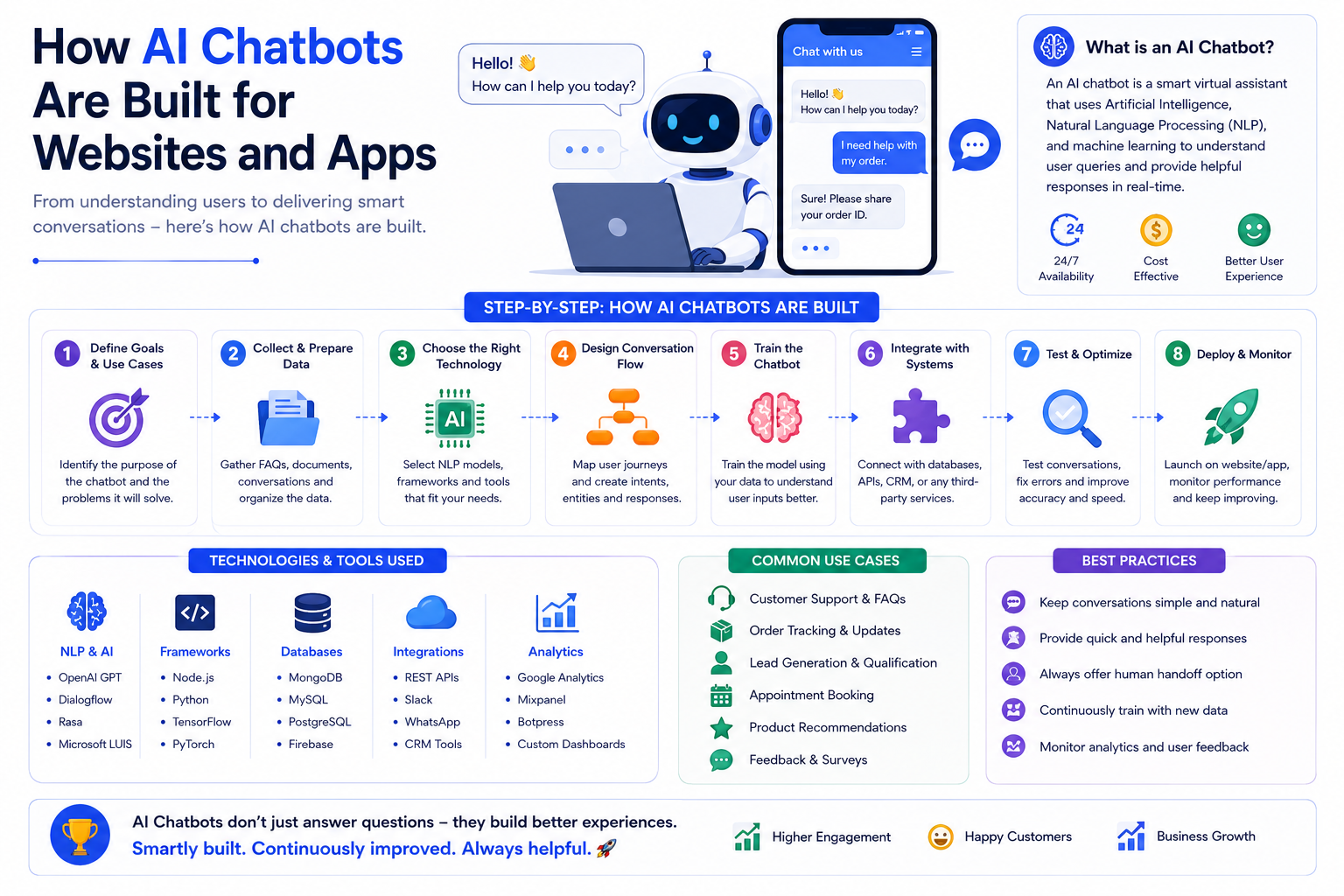
- AI Chatbots
- Mobile Applications
- SaaS Products
- Cloud Applications
Recruiters often value projects more than certifications.
Internship Experience
Internships provide:
- Industry Exposure
- Practical Learning
- Professional Workflows
- Real Project Experience
Students with internship experience often perform better during interviews.
GitHub Portfolio
A professional GitHub profile demonstrates:
- Coding Skills
- Project Experience
- Consistency
- Technical Growth
Recruiters frequently review GitHub portfolios.
Common Mistakes Students Make
Learning Too Many Technologies
Focus on mastering fundamentals first.
Ignoring DSA
Problem-solving skills remain highly valuable.
Avoiding Projects
Projects build practical expertise.
Neglecting Communication Skills
Technical skills alone are not enough.
Not Following Industry Trends
Continuous learning is essential.
Career Opportunities for Software Engineers in 2026
Software engineers can pursue careers such as:
- Software Engineer
- Full Stack Developer
- Backend Developer
- Frontend Developer
- DevOps Engineer
- Cloud Engineer
- AI Engineer
- Machine Learning Engineer
- Data Engineer
- Solutions Architect
The demand for skilled software engineers continues to grow globally.
Frequently Asked Questions
Is coding enough to become a software engineer?
No. Modern software engineers require problem-solving, communication, cloud, and collaboration skills in addition to programming.
Which programming language should I learn first?
Python, Java, and JavaScript remain excellent choices for beginners.
Is AI replacing software engineers?
AI is becoming a powerful tool, but software engineers are still needed to design, develop, integrate, and maintain software systems.
Are internships important?
Yes. Internships provide practical experience and improve job readiness.
Conclusion
The skills required to become a software engineer in 2026 extend beyond programming languages. Successful engineers combine technical expertise, problem-solving abilities, project experience, cloud knowledge, cybersecurity awareness, and strong communication skills.
Students who focus on continuous learning, practical projects, internships, and industry-relevant technologies will be better positioned for successful and rewarding software engineering careers.
🌐 Website: https://grootacademy.com
📺 YouTube: https://www.youtube.com/@YourGrootAcademy
📘 Facebook: http://facebook.com/GrootAcademy
📸 Instagram: https://www.instagram.com/groot.academy/
🐦 X: https://x.com/GrootAcademy
💼 LinkedIn: https://www.linkedin.com/company/grootacademy
📌 Pinterest: https://in.pinterest.com/mygrootacademy/