


Why Building Real Projects Matters More Than Just Learning Programming
Many students spend months learning programming languages, watching tutorials, completing courses, and earning certificates. However, when it comes to job interviews, recruiters often ask a simple question:
“What projects have you built?”
This question highlights one of the biggest differences between students who get hired quickly and those who struggle to find opportunities. Companies are increasingly looking for candidates who can demonstrate practical skills rather than only theoretical knowledge.
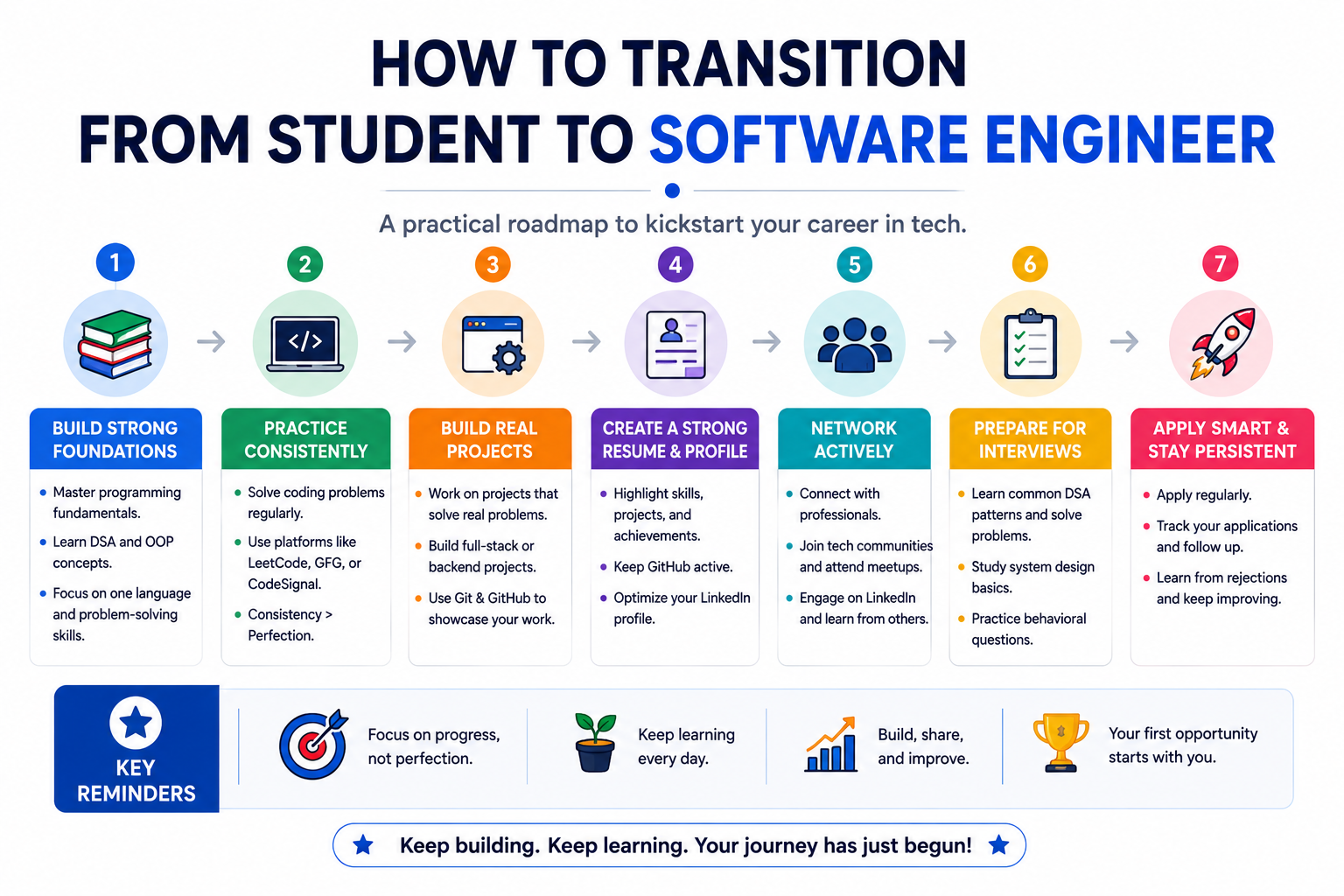
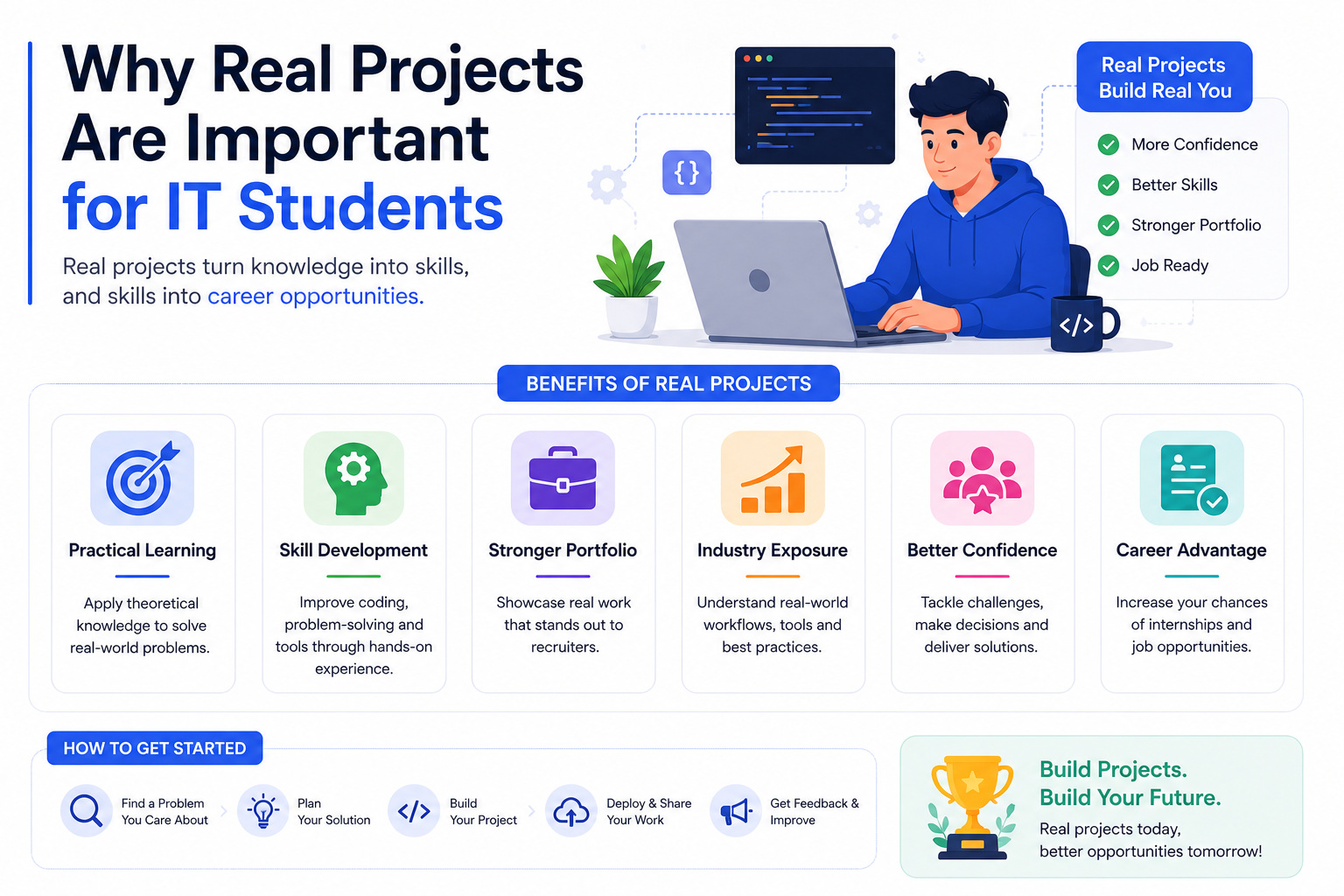
Project-based learning is one of the most effective ways to bridge the gap between learning and employment. It allows students to apply concepts, solve real-world problems, build portfolios, and gain confidence in software development.
Whether you are learning Web Development, Full Stack Development, Java, Python, Data Science, Artificial Intelligence, Cloud Computing, or Mobile App Development, project-based learning can significantly improve your chances of getting software jobs faster.
What is Project-Based Learning?
Project-based learning is an educational approach where students learn by building real applications and solving practical problems.
Instead of only studying concepts, students create:
- Websites
- Mobile Applications
- Software Systems
- AI Applications
- Data Analytics Dashboards
- Cloud Solutions
This approach transforms theoretical knowledge into practical experience.
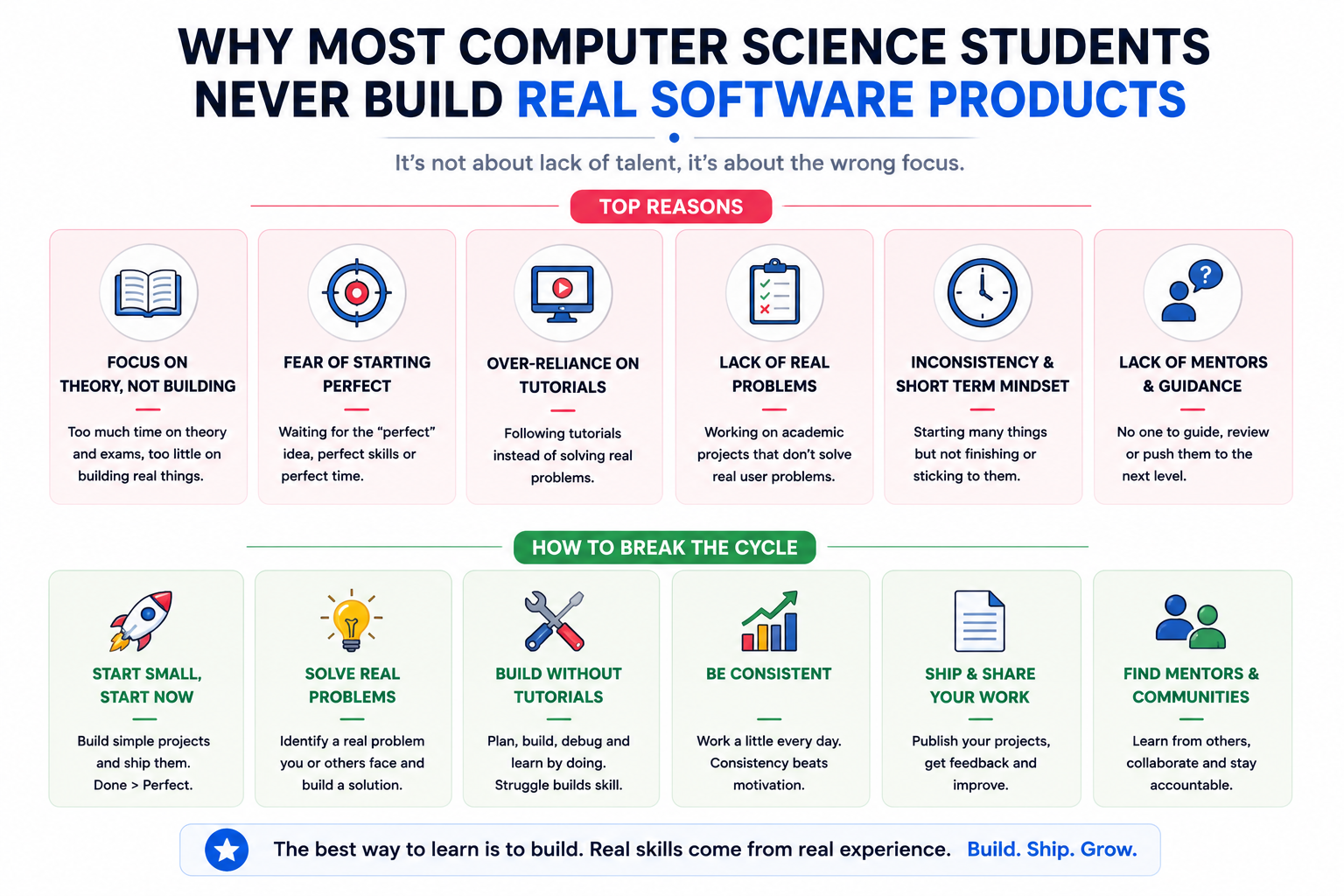
Why Traditional Learning Alone Isn’t Enough
Many students focus entirely on:
- Reading books
- Watching tutorials
- Memorizing concepts
- Completing assignments
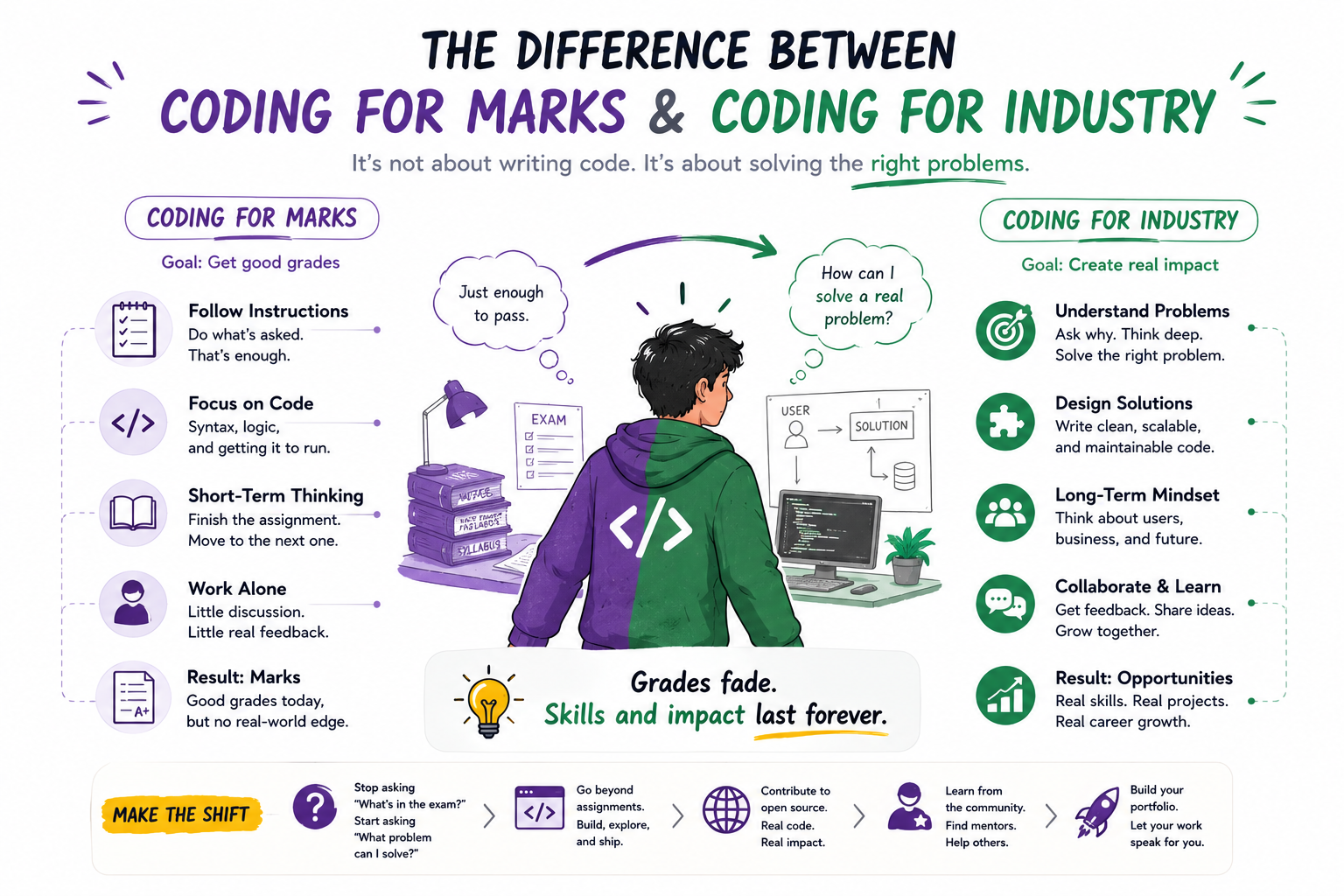
While these activities are important, employers want evidence that candidates can apply their knowledge in real situations.
Project-based learning demonstrates:
- Problem-solving ability
- Technical skills
- Creativity
- Practical experience
- Industry readiness
How Recruiters Evaluate Software Candidates
Recruiters often look for:
Technical Skills
Knowledge of:
- Programming Languages
- Databases
- Frameworks
- Tools
Project Experience
Projects demonstrate practical understanding.
Problem-Solving Ability
Can the candidate solve real business problems?
Portfolio Quality
A strong portfolio helps candidates stand out.
Communication Skills
Can the candidate explain their work clearly?
Project-based learning helps improve all of these areas.
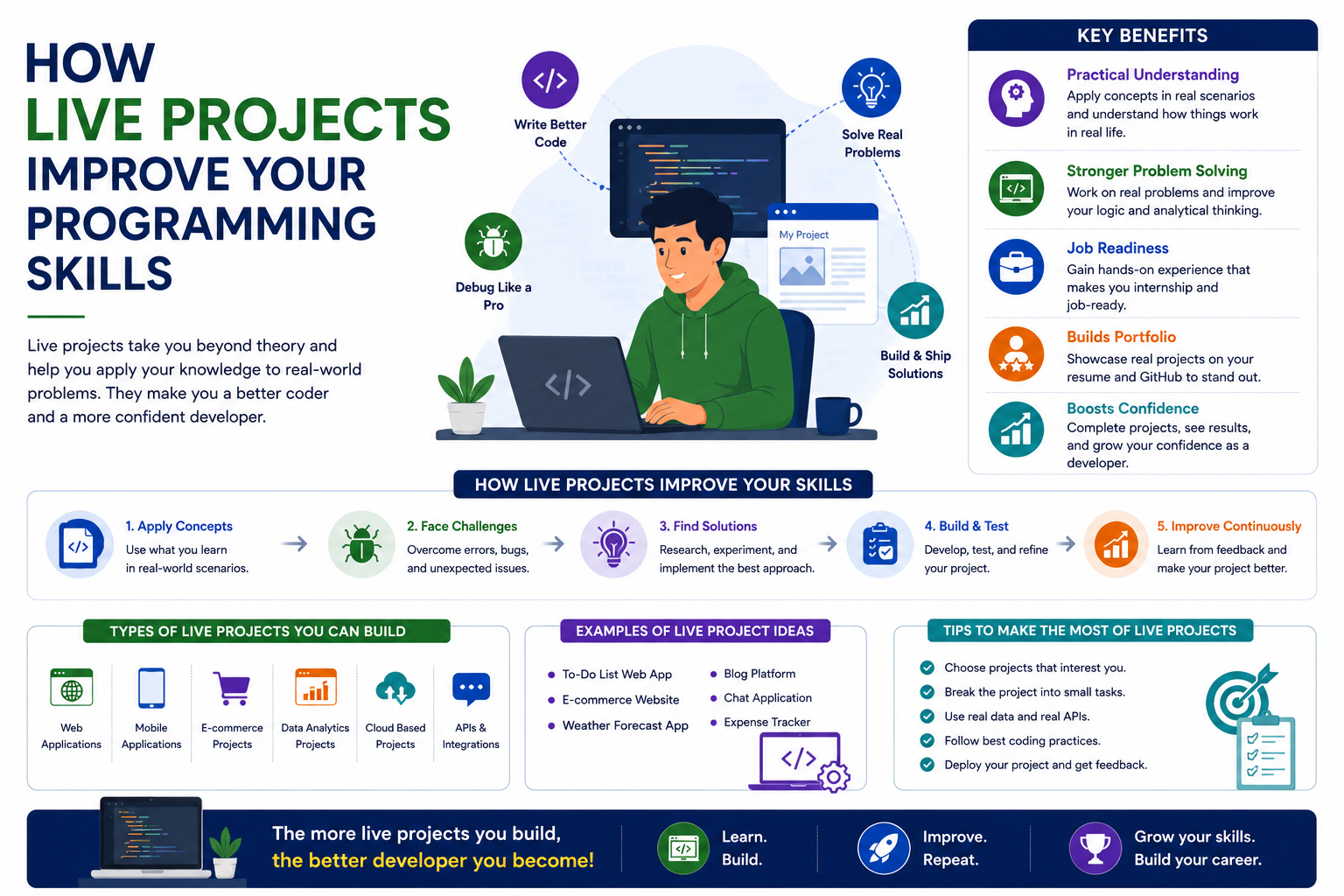
Benefits of Project-Based Learning
Real-World Experience
Students work on applications similar to those used in industry.
Examples:
- E-Commerce Websites
- Hospital Management Systems
- Banking Applications
- Learning Management Systems
- AI Chatbots
Better Understanding of Concepts
Students understand concepts more deeply when they implement them.
Improved Problem-Solving Skills
Projects expose students to real challenges such as:
- Bugs
- Performance Issues
- Database Design
- Security Concerns
Stronger Portfolio
A portfolio with real projects demonstrates capability more effectively than certificates alone.
Increased Confidence
Students become more confident discussing technical topics during interviews.
Types of Projects Students Should Build
Web Development Projects
Examples:
- Portfolio Website
- E-Commerce Store
- Blog Platform
- Booking System
Full Stack Projects
Examples:
- CRM Systems
- Inventory Management
- Employee Management Systems
Python Projects
Examples:
- Automation Tools
- Web Scrapers
- Data Analysis Applications
Data Science Projects
Examples:
- Sales Prediction
- Customer Analytics
- Dashboard Development
Artificial Intelligence Projects
Examples:
- Chatbots
- Recommendation Systems
- Image Classification Systems
Mobile App Projects
Examples:
- Food Delivery Apps
- Fitness Tracking Apps
- Learning Applications
Why Companies Prefer Candidates With Projects
Projects demonstrate:
- Practical Knowledge
- Commitment to Learning
- Technical Competence
- Problem-Solving Ability
- Software Development Experience
Candidates with project experience often require less training after hiring.
Skills Developed Through Project-Based Learning
Technical Skills
Students learn:
- Programming
- Databases
- APIs
- Deployment
- Cloud Platforms
Soft Skills
Projects improve:
- Communication
- Teamwork
- Leadership
- Presentation Skills
Professional Skills
Students gain experience with:
- Git & GitHub
- Documentation
- Testing
- Project Management
Common Mistakes Students Make
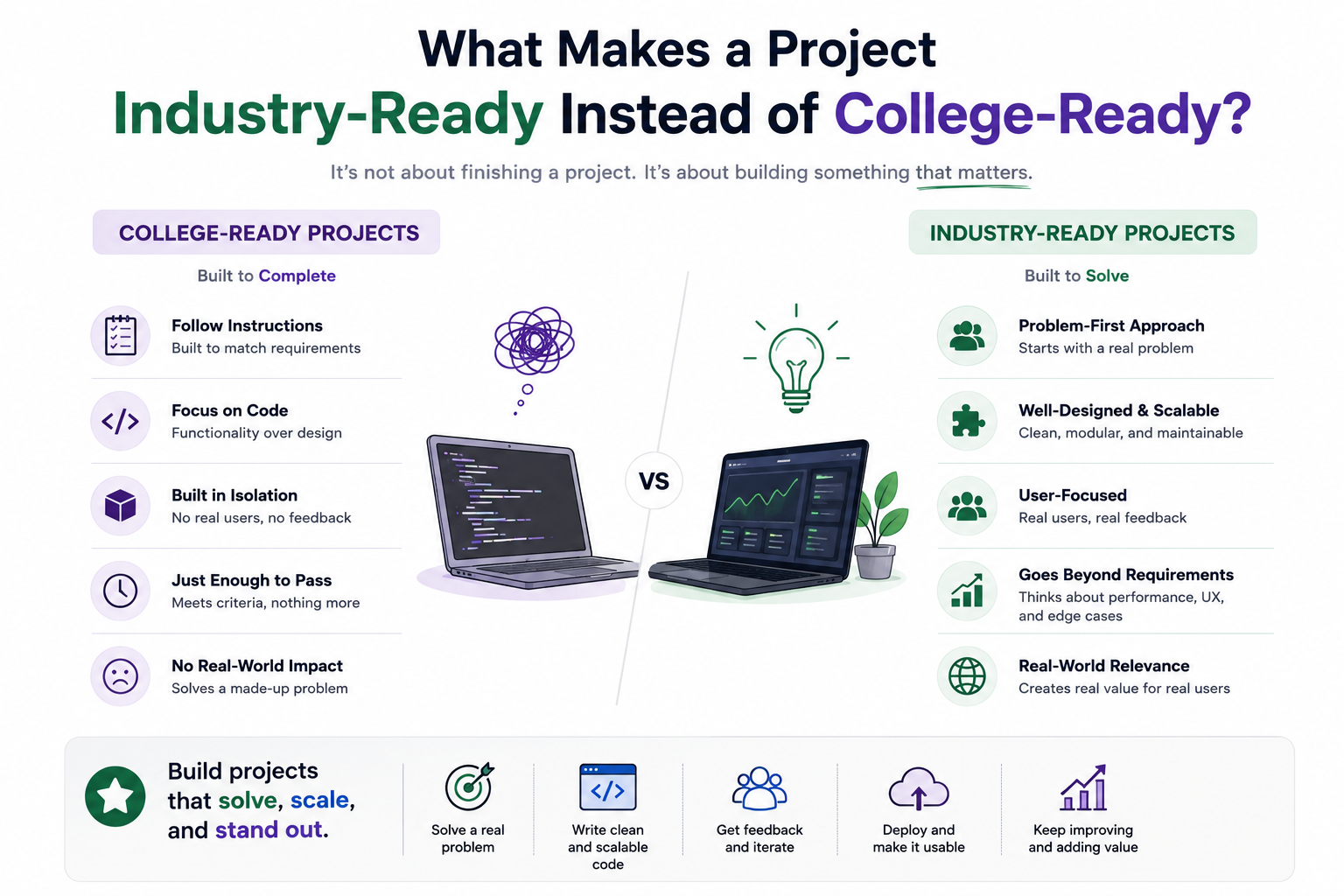
Building Only Tutorial Projects
Employers prefer unique projects that demonstrate creativity.
Not Deploying Projects
Live projects create a stronger impression.
Ignoring Documentation
Documentation improves project quality.
Focusing Only on Certificates
Projects often have greater impact during interviews.
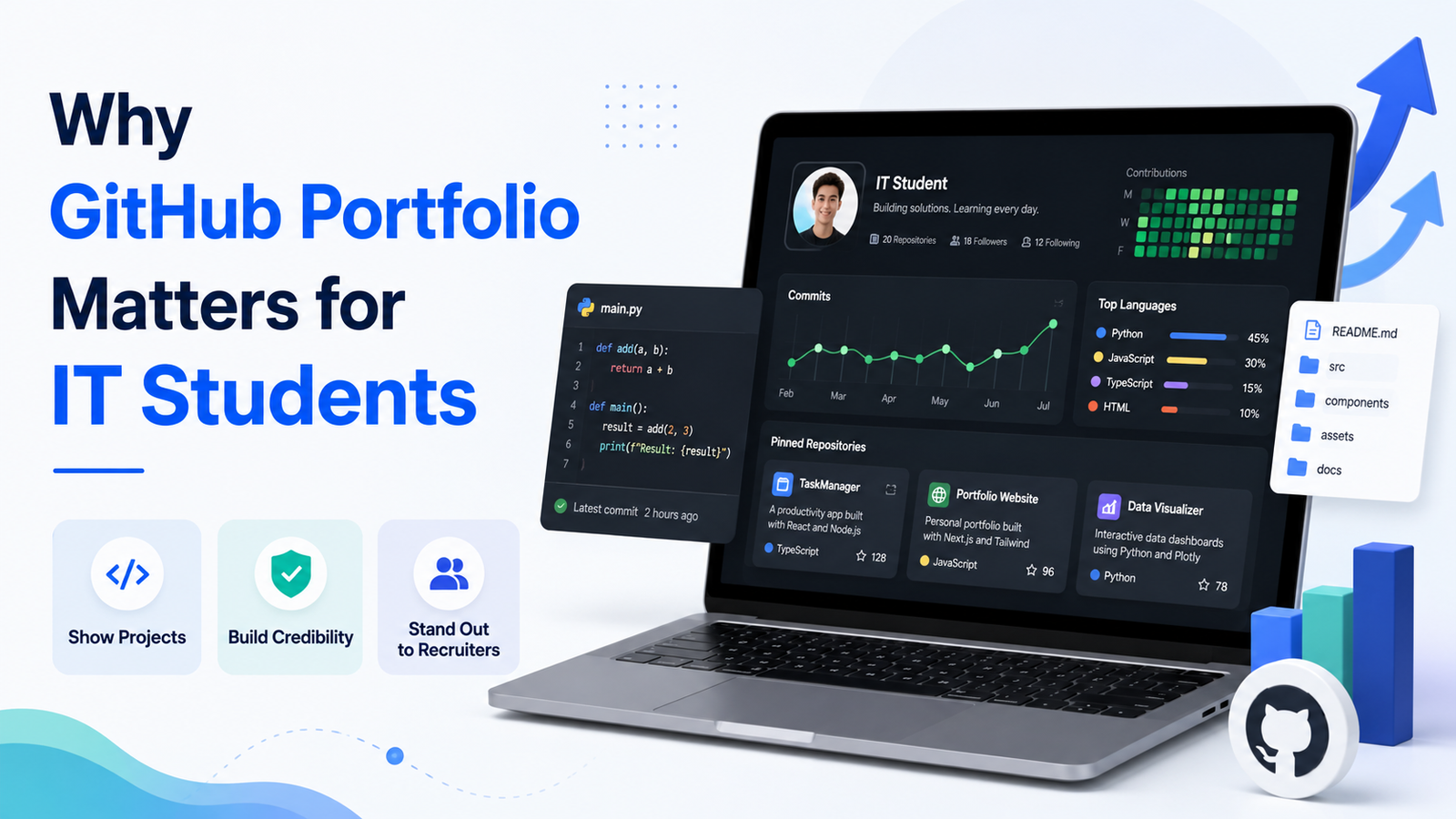
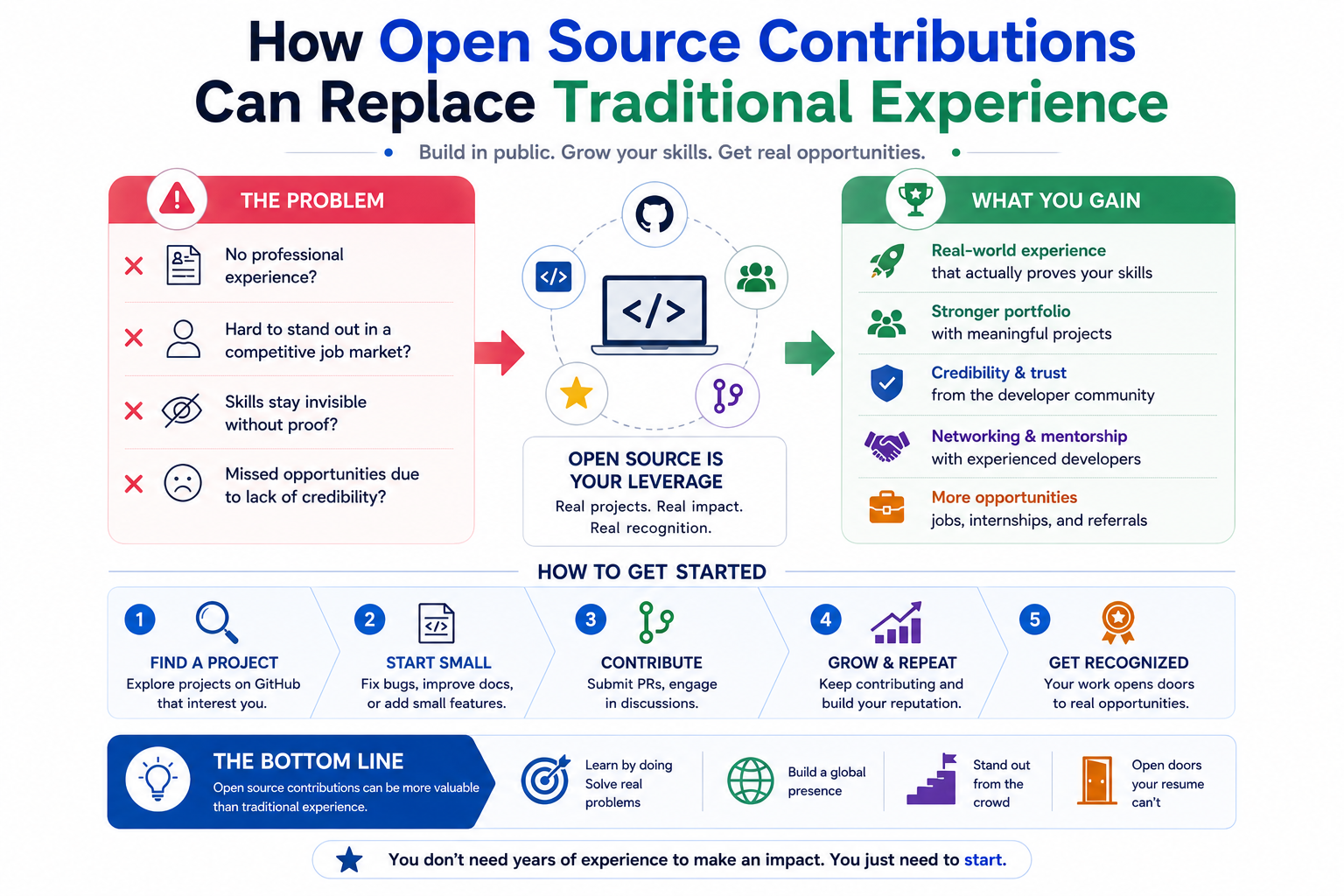
Not Maintaining GitHub Profiles
GitHub portfolios help recruiters evaluate skills.
How Projects Help During Interviews
Interviewers often ask:
- Tell us about your projects.
- What challenges did you face?
- How did you solve technical problems?
- What technologies did you use?
Students with project experience can answer these questions confidently.
Project-Based Learning and Career Growth
Students who consistently build projects often:
- Learn faster
- Develop stronger technical skills
- Gain practical experience
- Build better portfolios
- Get internship opportunities sooner
- Receive more interview calls
Career Opportunities Enhanced by Project-Based Learning
Project-based learning benefits students pursuing careers such as:
- Software Engineer
- Full Stack Developer
- Backend Developer
- Frontend Developer
- Data Scientist
- Machine Learning Engineer
- DevOps Engineer
- Cloud Engineer
- Mobile App Developer
Frequently Asked Questions
Are projects more important than certifications?
Both are valuable, but projects often demonstrate practical skills more effectively.
How many projects should students build?
Quality matters more than quantity. A few strong projects can make a significant impact.
Should projects be hosted online?
Yes. Live projects create a stronger impression during interviews.
Can beginners start project-based learning?
Absolutely. Beginners can start with simple projects and gradually increase complexity.
Conclusion
Project-based learning is one of the fastest ways to become job-ready in the software industry. By building real applications, solving practical problems, and creating strong portfolios, students gain the skills and confidence needed to secure software jobs faster.
Companies hire developers who can demonstrate what they can build. Projects provide that proof and help students stand out in an increasingly competitive job market.
🌐 Website: https://grootacademy.com
📺 YouTube: https://www.youtube.com/@YourGrootAcademy
📘 Facebook: http://facebook.com/GrootAcademy
📸 Instagram: https://www.instagram.com/groot.academy/
🐦 X: https://x.com/GrootAcademy
💼 LinkedIn: https://www.linkedin.com/company/grootacademy
📌 Pinterest: https://in.pinterest.com/mygrootacademy/