


Why Creating Real Solutions Often Teaches More Than Chasing Every New Technology
One of the biggest challenges for students and aspiring software engineers today is deciding where to invest their time.
Should they spend months learning every new framework, programming language, and technology trend?
Or should they focus on building real products and solving actual problems?
In an industry that constantly promotes new tools, libraries, and frameworks, many students become trapped in an endless cycle of learning without creating.
They complete course after course, watch hundreds of tutorials, and collect certifications, yet struggle to build software that people can actually use.
Meanwhile, some developers with fewer certifications build products, launch startups, solve real problems, and gain valuable industry experience.
This raises an important question:
What matters more—learning technologies or building products?
The answer is not choosing one over the other. However, in most cases, building products creates significantly greater long-term value because it teaches technology, problem-solving, business thinking, and software engineering simultaneously.
The Modern Learning Trap
Today’s students have access to:
- Online Courses
- Tutorials
- Documentation
- Coding Platforms
- AI Assistants
- Bootcamps
While these resources are valuable, they can create a false sense of progress.
Many students spend years learning:
- React
- Angular
- Node.js
- Python
- Java
- AI Tools
without ever creating something meaningful.
Knowledge without application often fades quickly.
What Does Learning Technologies Mean?
Learning technologies typically involves:
- Understanding Programming Languages
- Exploring Frameworks
- Studying Libraries
- Learning Development Tools
Examples include:
- React
- Spring Boot
- Django
- Flutter
- Docker
- Kubernetes
Technology learning provides the tools required for software development.
However, tools alone do not create successful products.
What Does Building Products Mean?
Building products involves creating complete solutions for real users.
Examples include:
- E-Commerce Platforms
- Learning Management Systems
- AI Chatbots
- Mobile Applications
- SaaS Products
- Business Automation Tools
Product development requires developers to think beyond coding.
It introduces real-world challenges that tutorials rarely cover.
Why Products Teach More Than Tutorials
When building products, developers encounter:
Real Requirements
Users rarely describe problems perfectly.
Design Decisions
Choosing the right architecture.
Database Challenges
Managing real data.
Performance Issues
Handling growing traffic.
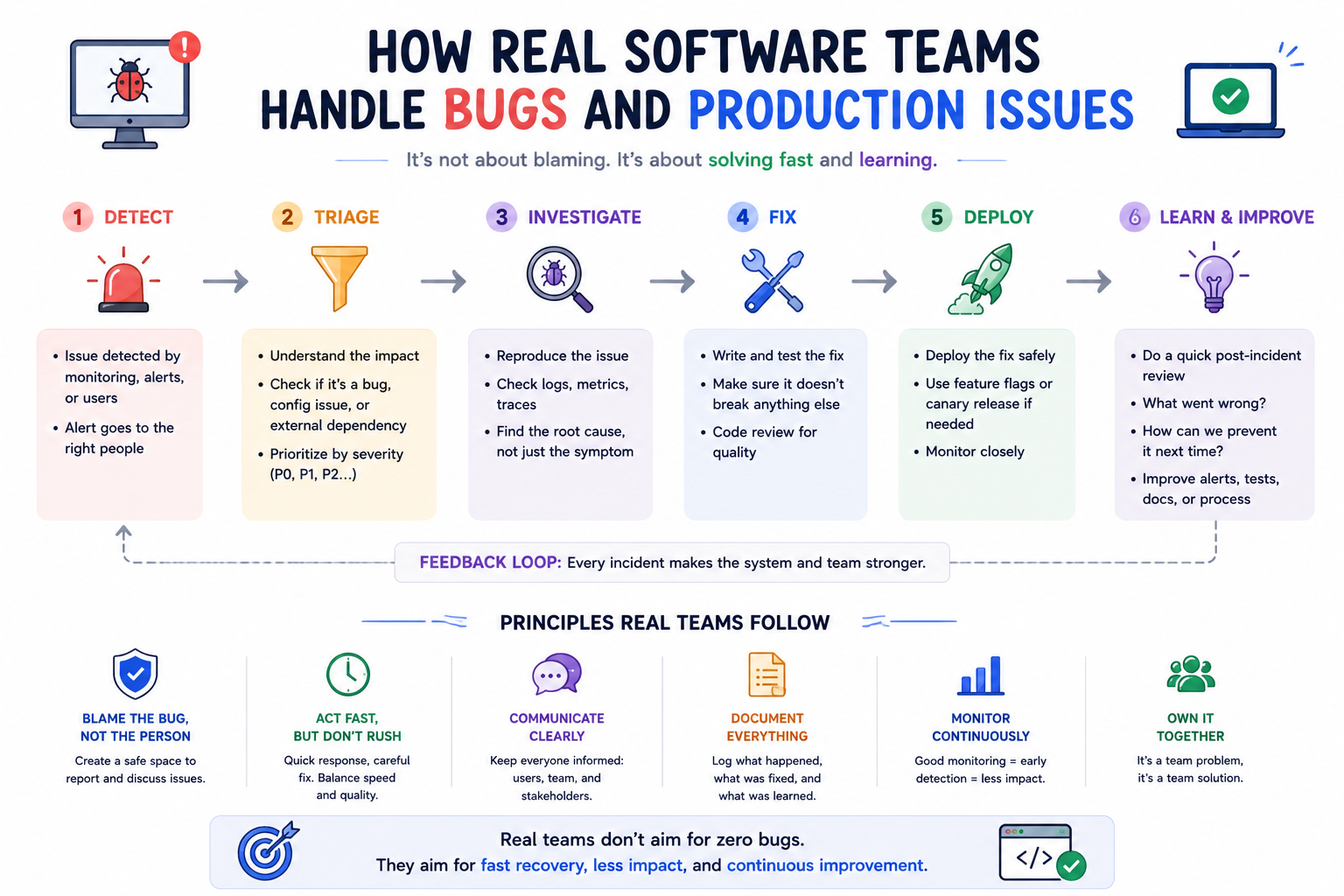
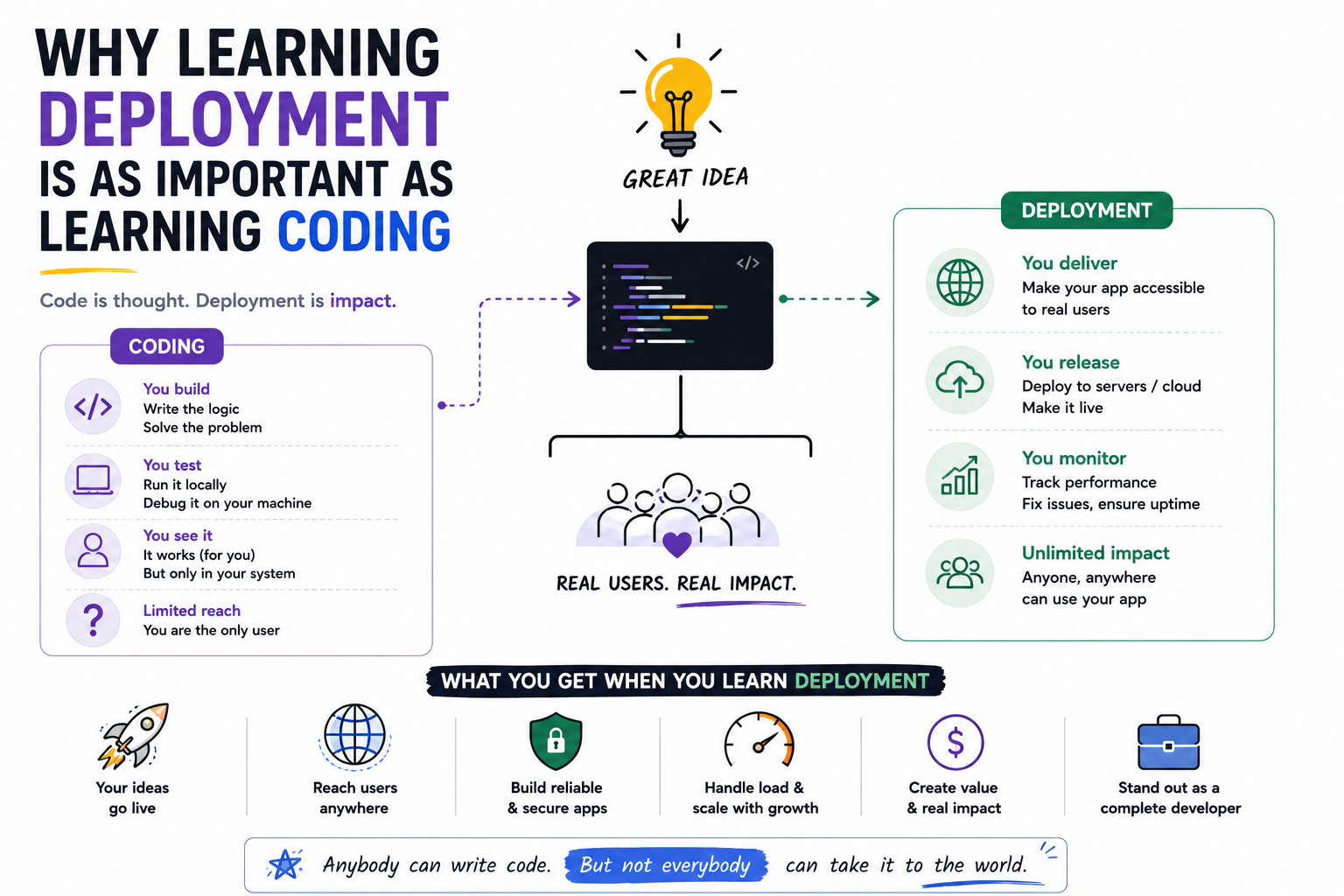
Deployment Problems
Making applications available to users.
User Feedback
Improving products based on actual needs.
These experiences create deeper learning.
The Difference Between Knowing and Applying
A student may know:
- Java
- Python
- React
- SQL
But still struggle to build a complete application.
Why?
Because knowledge and application are different skills.
Building products forces developers to connect concepts together.
This creates practical understanding.
Product Development Builds Problem Solving Skills
Technology learning often focuses on implementation.
Product development focuses on solving problems.
Developers must ask:
- What problem exists?
- Who experiences it?
- How can technology solve it?
Problem-solving skills remain valuable regardless of technological changes.
Why Employers Value Product Builders
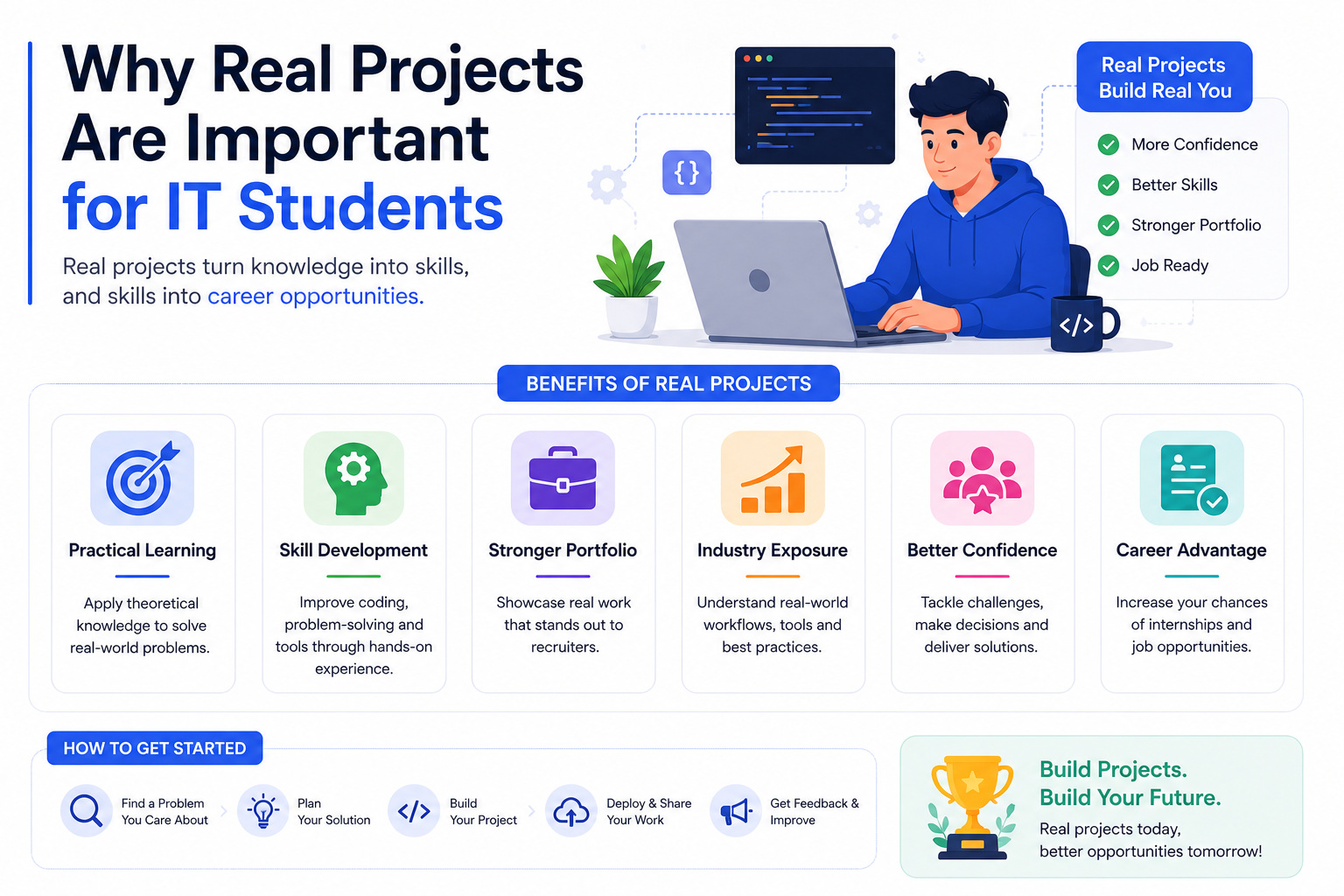
Recruiters increasingly value candidates who have built projects and products.
Products demonstrate:
- Initiative
- Practical Skills
- Problem Solving
- Ownership
- Technical Understanding
A portfolio of real products often creates stronger impressions than a long list of completed courses.
Product Building Creates System Thinking
A product requires multiple components:
- Frontend
- Backend
- Database
- APIs
- Security
- Deployment
Developers begin understanding how entire systems work together.
This system-level understanding is difficult to gain through isolated tutorials.
Learning Technologies Without Products Has Limits
Many students become trapped in:
Tutorial Watching
Constant learning.
Course Collecting
Accumulating certificates.
Framework Chasing
Moving to the next trend.
Without practical application, learning remains incomplete.
Eventually knowledge becomes fragmented.
Products Teach Business Thinking
Software exists to create value.
When building products, developers learn:
- Customer Needs
- Market Demand
- User Experience
- Revenue Models
Business understanding is rarely taught in programming tutorials.
Yet it becomes increasingly important throughout a career.
Products Improve Communication Skills
Product development requires communication with:
- Users
- Team Members
- Stakeholders
- Clients
Developers learn how to:
- Gather Requirements
- Explain Ideas
- Handle Feedback
These skills are critical in professional environments.
Why Startups Value Product Builders
Startups often prefer developers who can:
- Solve Problems
- Adapt Quickly
- Build Complete Solutions
rather than specialists who only understand one framework.
Product experience creates versatility.
Learning Technologies Still Matters
Technology knowledge remains essential.
Developers must understand:
- Programming Languages
- Frameworks
- Databases
- Cloud Platforms
However, technologies should serve product goals rather than become goals themselves.
Tools enable solutions.
They are not the solution.
The Best Approach: Learn While Building
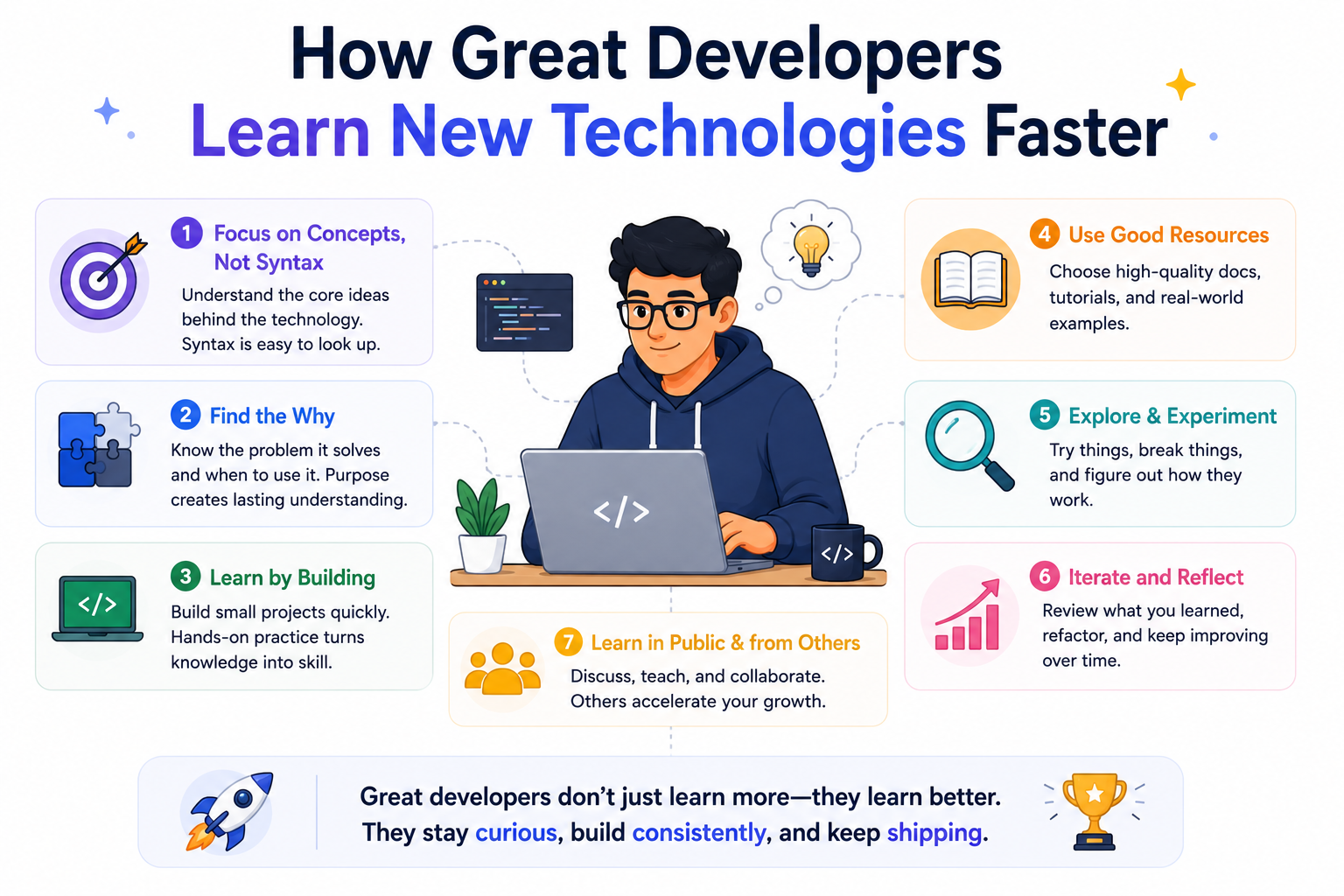
The most effective strategy is:
Learn
Understand concepts.
Build
Apply concepts immediately.
Improve
Refine solutions.
Repeat
Continue learning and creating.
This cycle accelerates growth.
Real Example
Developer A:
- Completes 20 Courses
- Learns 10 Technologies
- Builds No Products
Developer B:
- Learns Core Fundamentals
- Builds 5 Products
- Solves Real Problems
After one year, Developer B often possesses:
- Better Problem-Solving Skills
- Stronger Portfolios
- Greater Confidence
- More Practical Experience
because learning was reinforced through application.
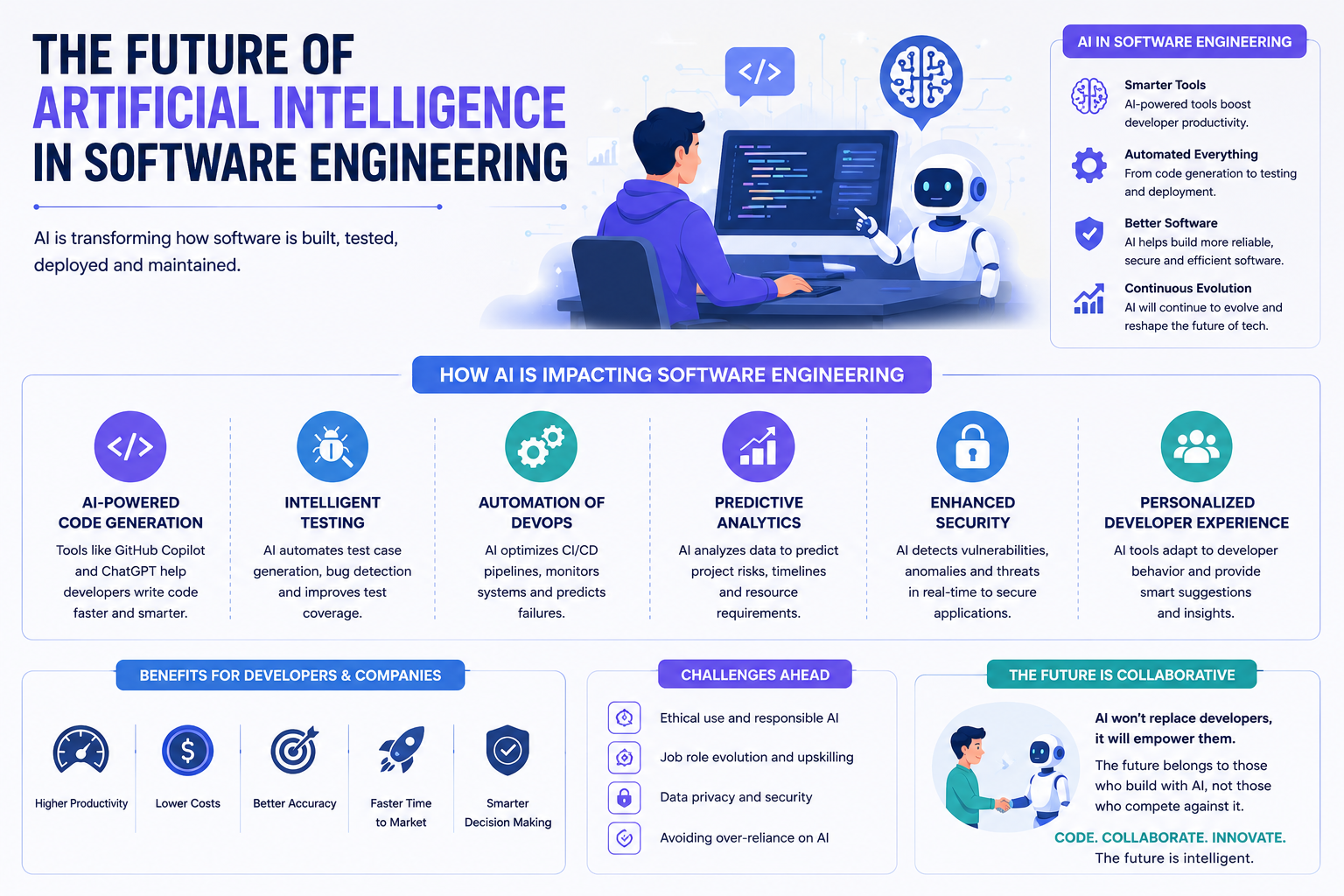
Why AI Makes Product Building More Important
AI can help developers:
- Generate Code
- Explain Concepts
- Create Documentation
As technology learning becomes easier, differentiation increasingly comes from:
- Creativity
- Product Thinking
- Problem Solving
- User Understanding
Building products develops these skills.
Skills Developed Through Product Building
Technical Skills
- Coding
- Databases
- APIs
Engineering Skills
- Architecture
- Scalability
- Deployment
Business Skills
- Product Thinking
- Market Understanding
Professional Skills
- Communication
- Collaboration
- Leadership
Few activities provide such comprehensive learning.
Common Mistakes Students Make
Learning Without Building
Creates shallow understanding.
Chasing Every New Technology
Leads to confusion.
Ignoring Users
Products should solve real problems.
Avoiding Deployment
Applications should reach users.
Focusing Only on Certificates
Experience matters more.
Avoiding these mistakes accelerates growth.
How Students Can Start Building Products
Identify Problems
Look for challenges around you.
Build Simple Solutions
Start small.
Deploy Projects
Make them accessible.
Collect Feedback
Learn from users.
Improve Continuously
Iterate based on experience.
Product development is a journey.
Future of Software Careers
As AI automates coding tasks, companies will increasingly value professionals who can:
- Identify Problems
- Design Solutions
- Build Products
- Understand Users
These abilities create business value.
Technology skills remain important, but product thinking becomes a major differentiator.
Frequently Asked Questions
Should students stop learning technologies?
No. Technologies remain important tools.
Are products more valuable than certificates?
In many cases, yes. Products demonstrate practical ability.
Can beginners build products?
Absolutely. Start small and improve over time.
What matters most in software development?
The ability to create value through technology.
Conclusion
Learning technologies and building products are both important, but building products often provides deeper and more practical learning. Products teach technical skills, system design, problem solving, business understanding, communication, and user-focused thinking all at the same time.
The most successful developers do not learn technologies for the sake of learning technologies. They learn tools so they can build solutions that create value. In a world where AI makes learning faster and coding easier, the ability to build meaningful products may become one of the most valuable skills a software engineer can develop.
🌐 Website: https://grootacademy.com
📺 YouTube: https://www.youtube.com/@YourGrootAcademy
📘 Facebook: http://facebook.com/GrootAcademy
📸 Instagram: https://www.instagram.com/groot.academy/
🐦 X: https://x.com/GrootAcademy
💼 LinkedIn: https://www.linkedin.com/company/grootacademy
📌 Pinterest: https://in.pinterest.com/mygrootacademy/