


The Difference Between Using Technology and Engineering Software Systems
Many students and beginner developers spend most of their learning journey focusing on tools and frameworks.
They learn:
- ReactJS
- Spring Boot
- Node.js
- Django
- Docker
- Kubernetes
- AWS
- MongoDB
While these technologies are important, a common mistake is assuming that mastering tools automatically makes someone a strong software engineer.
The reality is very different.
Tools change every few years. New frameworks emerge, old libraries become obsolete, and technology trends evolve rapidly. However, software architecture principles remain valuable throughout a developer’s career.
This is why experienced software architects, engineering managers, and senior developers focus on architecture first and tools second.
Understanding architecture helps developers make better technical decisions, design scalable systems, and adapt quickly to new technologies.
What Are Software Tools?
Software tools help developers build applications faster.
Examples include:
Frontend Tools
- ReactJS
- Angular
- Vue.js
Backend Tools
- Spring Boot
- Express.js
- Django
Cloud Tools
- AWS
- Azure
- Google Cloud
DevOps Tools
- Docker
- Kubernetes
- Jenkins
These tools improve productivity and simplify development.
However, tools are only implementation mechanisms.
What is Software Architecture?
Software architecture defines how software systems are structured and organized.
It answers questions such as:
- How will components communicate?
- How will data flow?
- How will the system scale?
- How will security be handled?
- How will services interact?
Architecture focuses on the overall design of a system rather than individual features.
Why Architecture Matters More Than Tools
Imagine two developers:
Developer A
Knows:
- ReactJS
- Spring Boot
- Docker
But lacks understanding of:
- Scalability
- Design Patterns
- System Design
Developer B
Understands:
- Architecture
- System Design
- Databases
- Scalability
Even if Developer B learns a new framework tomorrow, they can adapt quickly because they understand the underlying principles.
Architecture provides long-term value.
Tools Change, Principles Stay
Over the years, developers have used:
- jQuery
- AngularJS
- Backbone.js
- ReactJS
- Next.js
Frameworks evolve constantly.
However, architectural concepts remain relevant:
- Separation of Concerns
- Modularity
- Scalability
- Reliability
- Security
Developers who understand architecture can easily transition between technologies.
Common Mistake: Becoming Framework Dependent
Many students identify themselves as:
- React Developer
- Node Developer
- Django Developer
Instead of:
- Software Engineer
- Backend Engineer
- Solution Architect
Framework-dependent learning often creates limitations.
When a new framework becomes popular, these developers struggle to adapt.
Architecture-focused engineers adapt much faster.
Understanding System Design
System design is a critical part of software architecture.
It involves:
- Component Design
- Database Design
- API Architecture
- Scalability Planning
- Performance Optimization
Large organizations prioritize system design because software complexity grows rapidly.
Real-World Example: E-Commerce Application
Most students learn:
- React Frontend
- Spring Boot Backend
- MySQL Database
But architecture requires understanding:
User Management
How authentication works.
Product Catalog
How products are stored and searched.
Order Management
How transactions are handled.
Payment Integration
How external services communicate.
Scalability
How the system supports thousands of users.
These are architectural concerns.
Understanding Design Patterns
Design patterns solve recurring software problems.
Popular patterns include:
Singleton
Ensures a single instance of an object.
Factory Pattern
Simplifies object creation.
Observer Pattern
Supports event-driven communication.
Strategy Pattern
Allows flexible behavior selection.
Developers who understand patterns write more maintainable software.
Why Large Companies Hire Architects
Companies such as:
- Amazon
- Microsoft
- Netflix
- Uber
build systems serving millions of users.
Challenges include:
- Scalability
- Reliability
- Performance
- Security
Architecture helps solve these challenges.
Framework knowledge alone is insufficient.
Architecture and Scalability
A small project may work perfectly for:
- 100 Users
But fail for:
- 100,000 Users
Architectural thinking addresses:
- Load Balancing
- Caching
- Distributed Systems
- Database Optimization
Scalability is an architectural challenge, not a framework feature.
Architecture and Security
Security must be designed into systems.
Important considerations:
- Authentication
- Authorization
- Encryption
- Data Protection
Frameworks provide tools, but architecture determines how security is implemented.
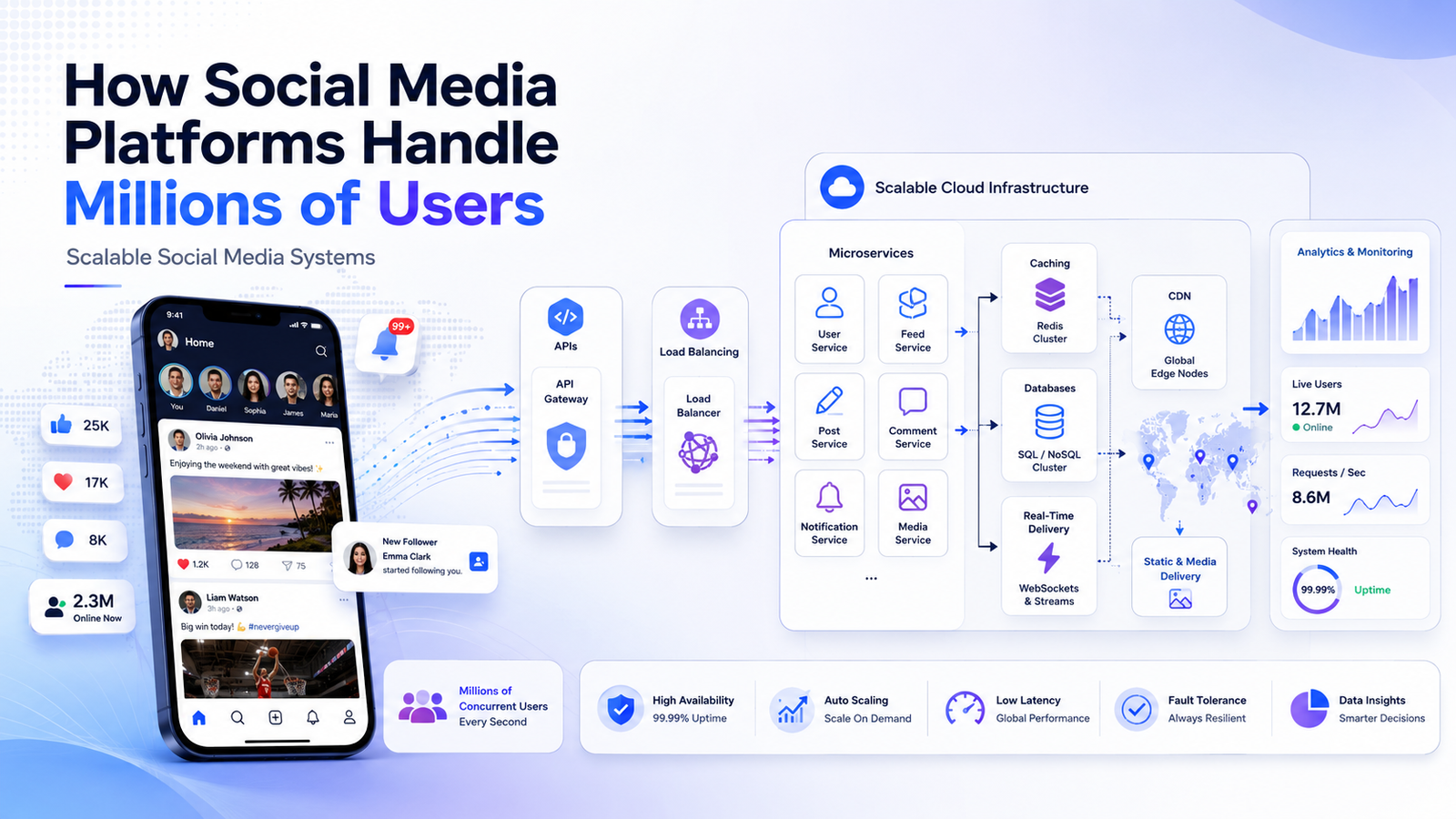
Architecture and Microservices
Modern applications increasingly use microservices.
Understanding:
- Service Communication
- API Gateways
- Event-Driven Architecture
requires architectural knowledge.
Learning a framework alone does not teach these concepts.
Architecture and Cloud Computing
Cloud platforms provide powerful services.
However, architecture determines:
- Service Placement
- Resource Utilization
- High Availability
- Disaster Recovery
Cloud success depends on good architecture.
Why Recruiters Value Architectural Thinking
Senior engineers are expected to:
- Design Systems
- Evaluate Trade-Offs
- Solve Scalability Problems
- Improve Performance
Recruiters often look beyond framework knowledge and evaluate engineering thinking.
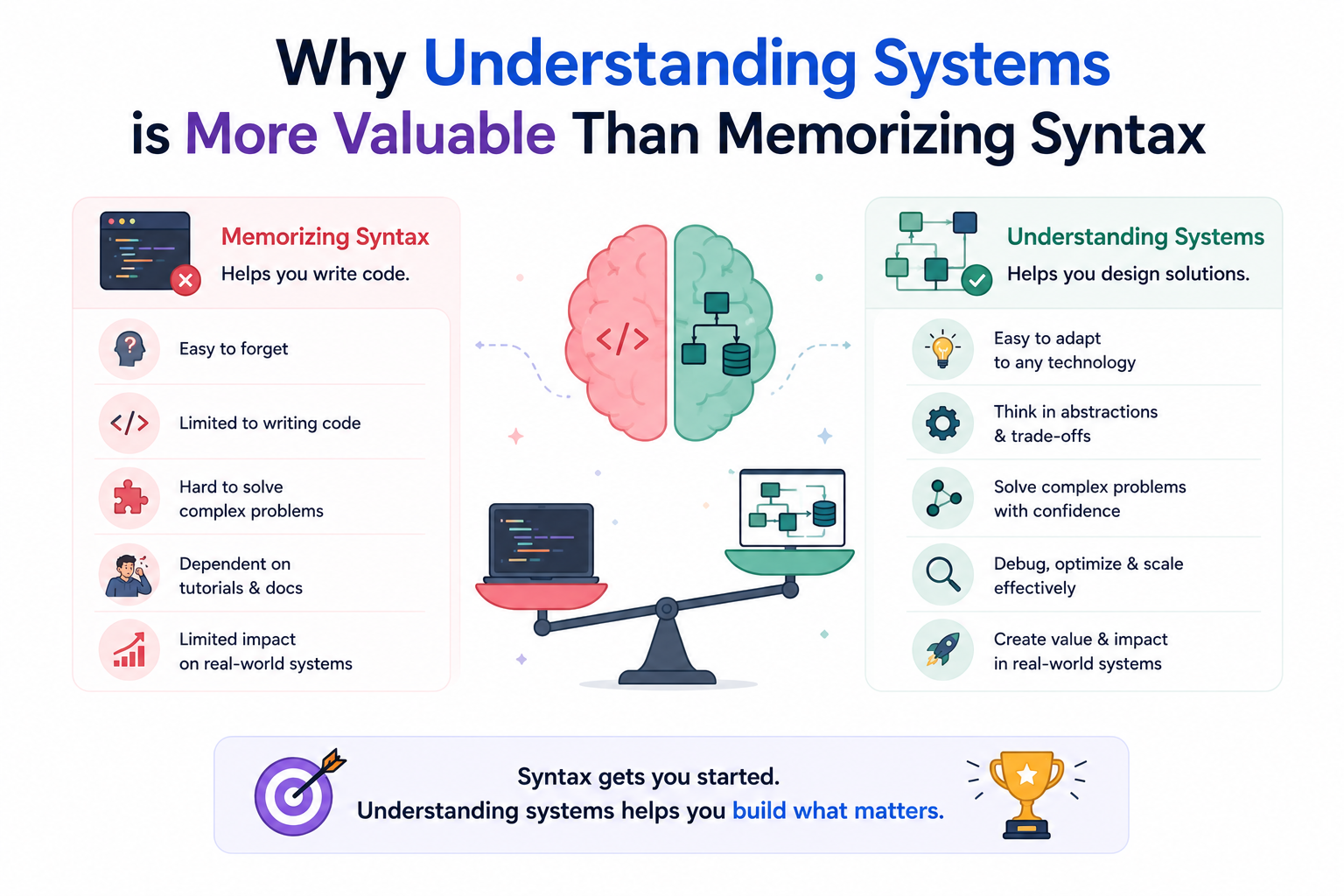
Common Signs of Tool-Focused Learning
Students often:
❌ Memorize Framework Syntax
❌ Follow Tutorials Blindly
❌ Build Similar Projects Repeatedly
❌ Ignore System Design
❌ Avoid Database Architecture
These habits limit long-term growth.
How to Develop Architectural Thinking
Learn Software Design Principles
Study:
- SOLID Principles
- Separation of Concerns
- Dependency Injection
Understand Databases
Learn:
- Normalization
- Indexing
- Query Optimization
Learn System Design
Study:
- Scalability
- Distributed Systems
- API Design
Build Larger Projects
Complex projects reveal architectural challenges.
Read Production Architectures
Analyze how successful companies design systems.
Architecture Skills That Every Developer Should Learn
Software Design Principles
Design Patterns
Database Design
API Architecture
Distributed Systems
Cloud Architecture
Performance Optimization
Security Fundamentals
These skills create strong software engineers.
Career Growth: Tool User vs Architect Thinker
Tool-Focused Developer
- Learns Frameworks
- Builds Features
- Depends on Specific Technologies
Architecture-Focused Engineer
- Solves Complex Problems
- Designs Systems
- Leads Technical Decisions
- Adapts Quickly
Architecture often accelerates long-term career growth.
Future of Software Engineering
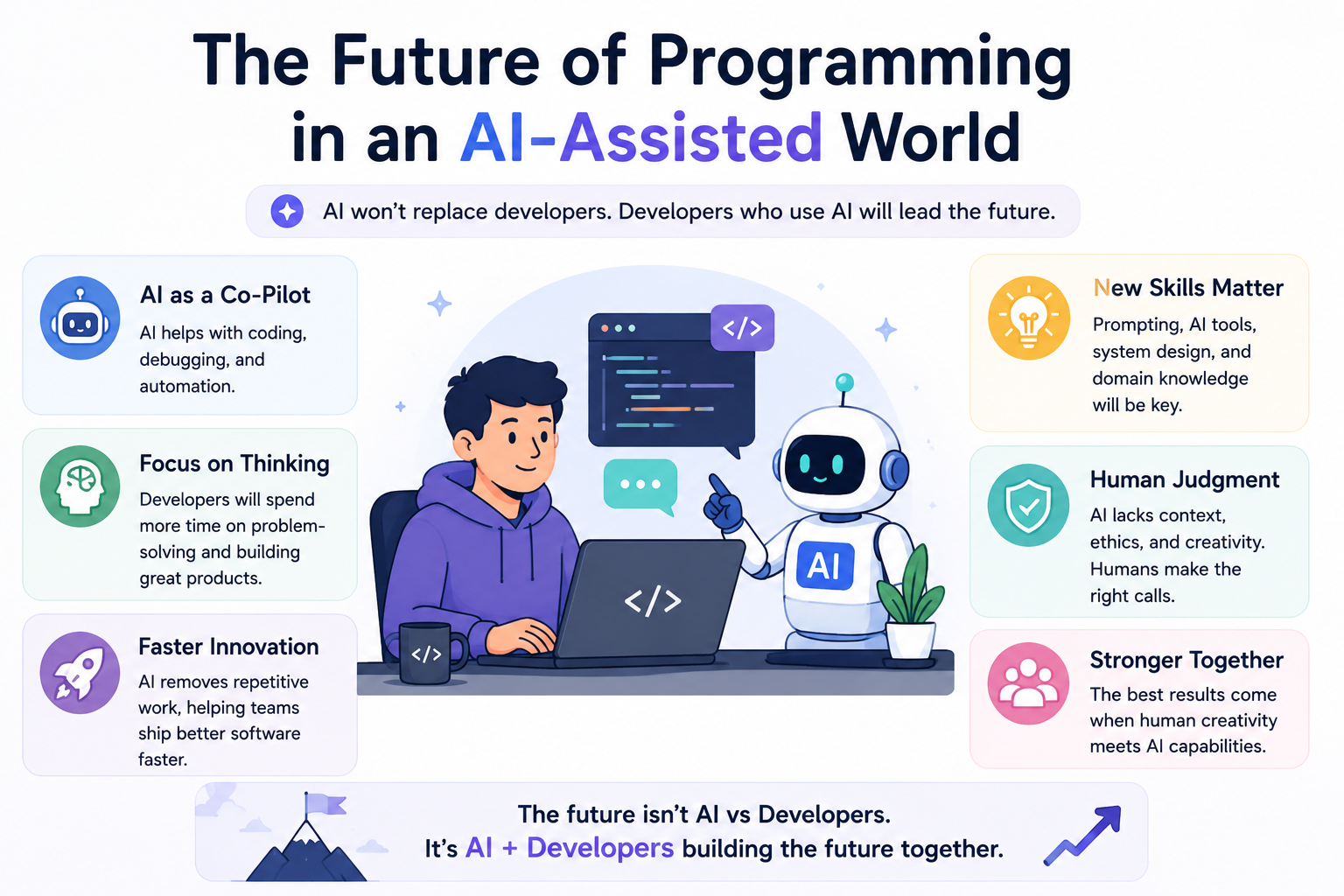
As AI increasingly automates coding tasks, developers who only know tools may struggle to differentiate themselves.
The most valuable professionals will be those who understand:
- Architecture
- System Design
- Business Requirements
- Scalability
- Engineering Trade-Offs
These skills are difficult to automate.
Frequently Asked Questions
Should beginners learn tools or architecture first?
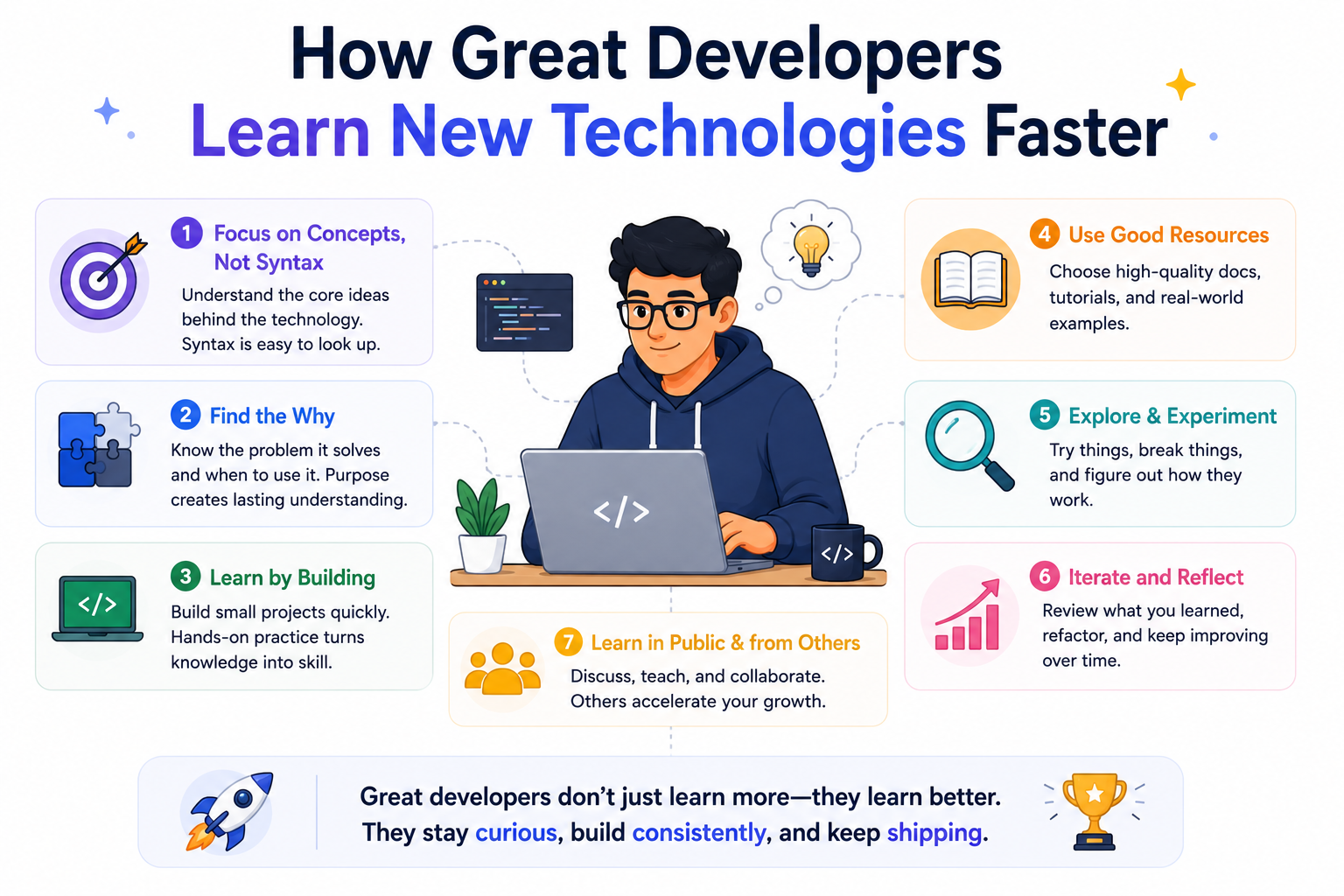
Start with programming fundamentals and development tools, but gradually learn architecture as you build projects.
Is architecture only for senior developers?
No. Beginners should learn architectural concepts early to develop good engineering habits.
Can architecture help with interviews?
Yes. Many mid-level and senior interviews include system design discussions.
Do frameworks replace architecture?
No. Frameworks help implement systems, while architecture defines how systems should be designed.
Conclusion
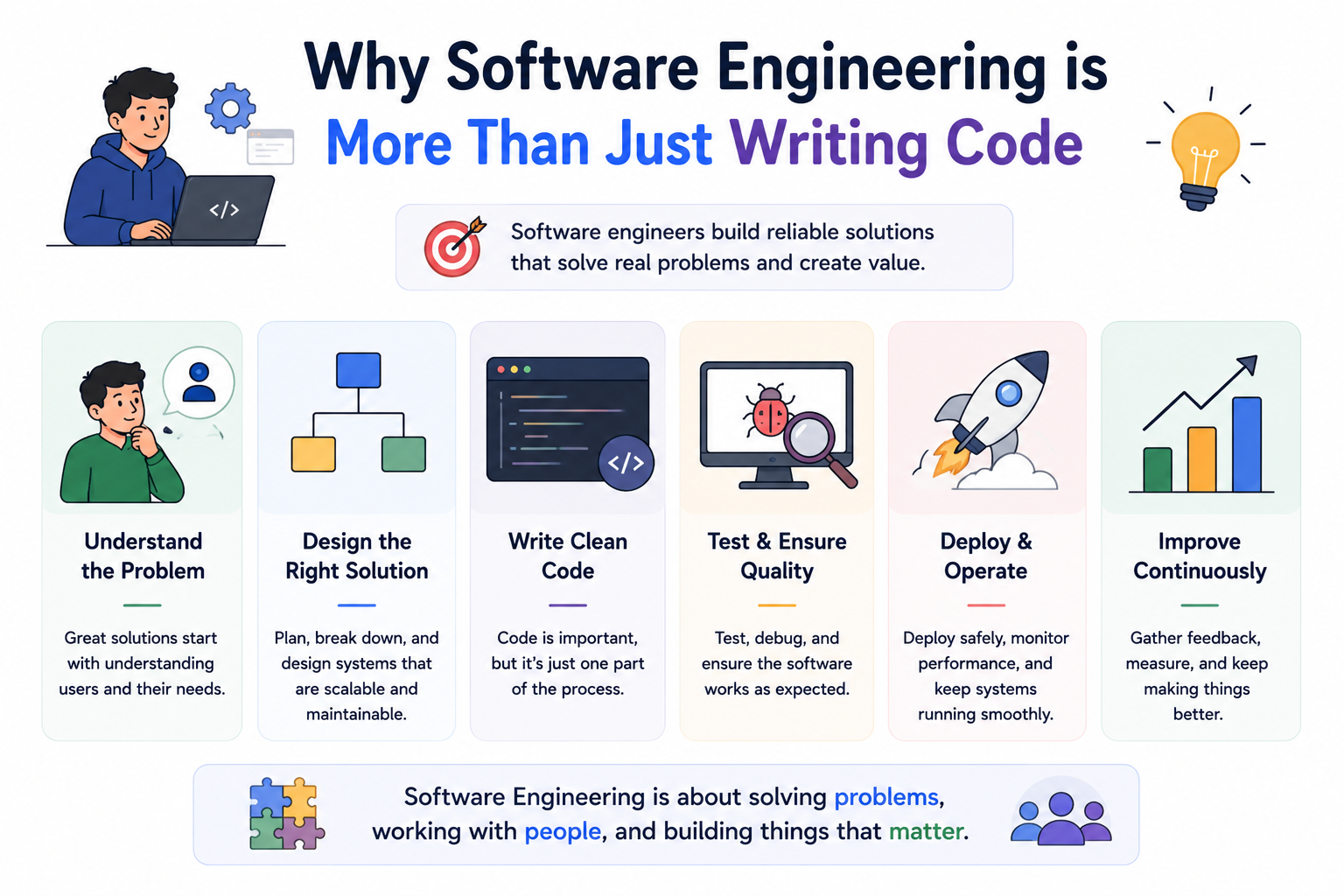
Learning tools and frameworks is important, but tools alone do not create great software engineers. Frameworks help developers build applications, while architecture helps them design systems that are scalable, maintainable, secure, and reliable.
Students who focus only on tools may become framework-dependent, while those who understand software architecture gain the ability to adapt to new technologies, solve complex problems, and build high-quality software systems.
The most successful engineers are not defined by the tools they know but by their ability to design systems that solve real-world problems effectively.
🌐 Website: https://grootacademy.com
📺 YouTube: https://www.youtube.com/@YourGrootAcademy
📘 Facebook: http://facebook.com/GrootAcademy
📸 Instagram: https://www.instagram.com/groot.academy/
🐦 X: https://x.com/GrootAcademy
💼 LinkedIn: https://www.linkedin.com/company/grootacademy
📌 Pinterest: https://in.pinterest.com/mygrootacademy/