


How Artificial Intelligence is Transforming Software Development and What Developers Must Do to Stay Relevant
The software industry is experiencing one of the biggest transformations in its history. Artificial Intelligence is no longer a futuristic concept—it has become an active participant in software development.
Today, AI can:
- Generate Code
- Explain Algorithms
- Create Documentation
- Write Unit Tests
- Debug Applications
- Suggest Optimizations
Tasks that previously required hours of manual effort can now be completed in minutes.
As AI capabilities continue to improve, many students and developers are asking:
“What is the future of programming in an AI-assisted world?”
The answer is not that programming will disappear. Instead, programming is evolving.
Developers who understand how to work with AI will become significantly more productive, while those who rely only on traditional coding practices may struggle to keep pace with industry changes.
The future belongs to software engineers who combine technical expertise, problem-solving abilities, and AI-assisted workflows.
The Evolution of Programming
Programming has continuously evolved over the decades.
Early Computing Era
Developers worked directly with machine code and assembly language.
High-Level Programming Languages
Languages such as C, C++, Java, and Python simplified development.
Framework Era
Frameworks accelerated application development.
Cloud Era
Cloud platforms simplified infrastructure management.
AI Era
Artificial Intelligence is automating repetitive development tasks.
Each evolution increased developer productivity rather than eliminating developers.
AI represents the next stage of this progression.
What AI Can Already Do
Modern AI tools assist developers by:
Generating Code
Creating functions, APIs, and components.
Explaining Concepts
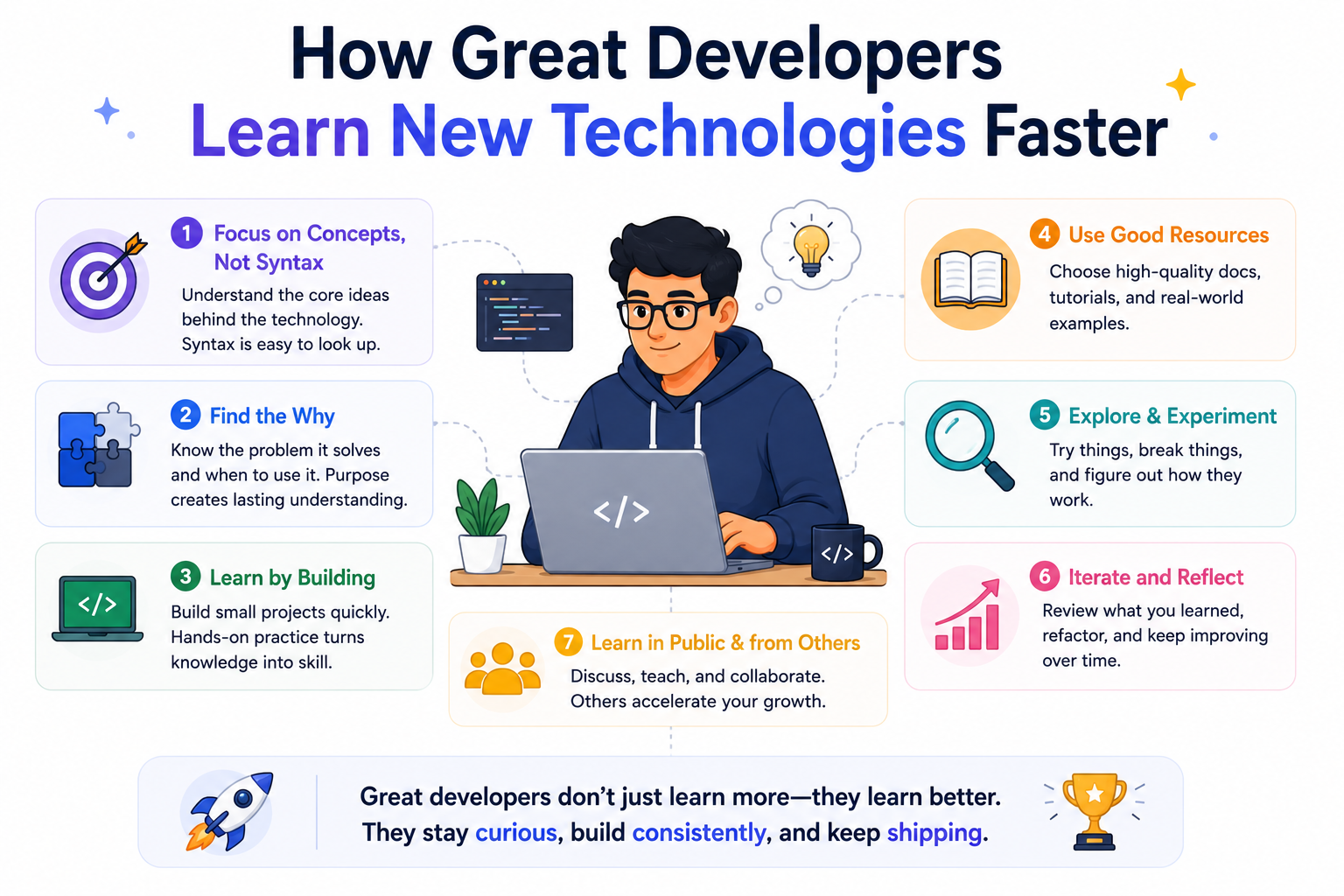
Helping developers learn technologies faster.
Writing Documentation
Generating technical content automatically.
Creating Tests
Producing unit and integration test cases.
Assisting Debugging
Identifying common coding issues.
Refactoring Applications
Improving code readability and structure.
These capabilities reduce repetitive work and improve efficiency.
Why Programming Will Not Disappear
Many people assume AI will eliminate programming jobs.
However, software development involves much more than writing code.
Developers must still:
- Understand Requirements
- Solve Problems
- Design Systems
- Evaluate Trade-Offs
- Ensure Security
- Understand Users
AI can generate solutions, but humans must determine which solutions are appropriate.
Programming remains valuable because business problems continue to require human judgment.
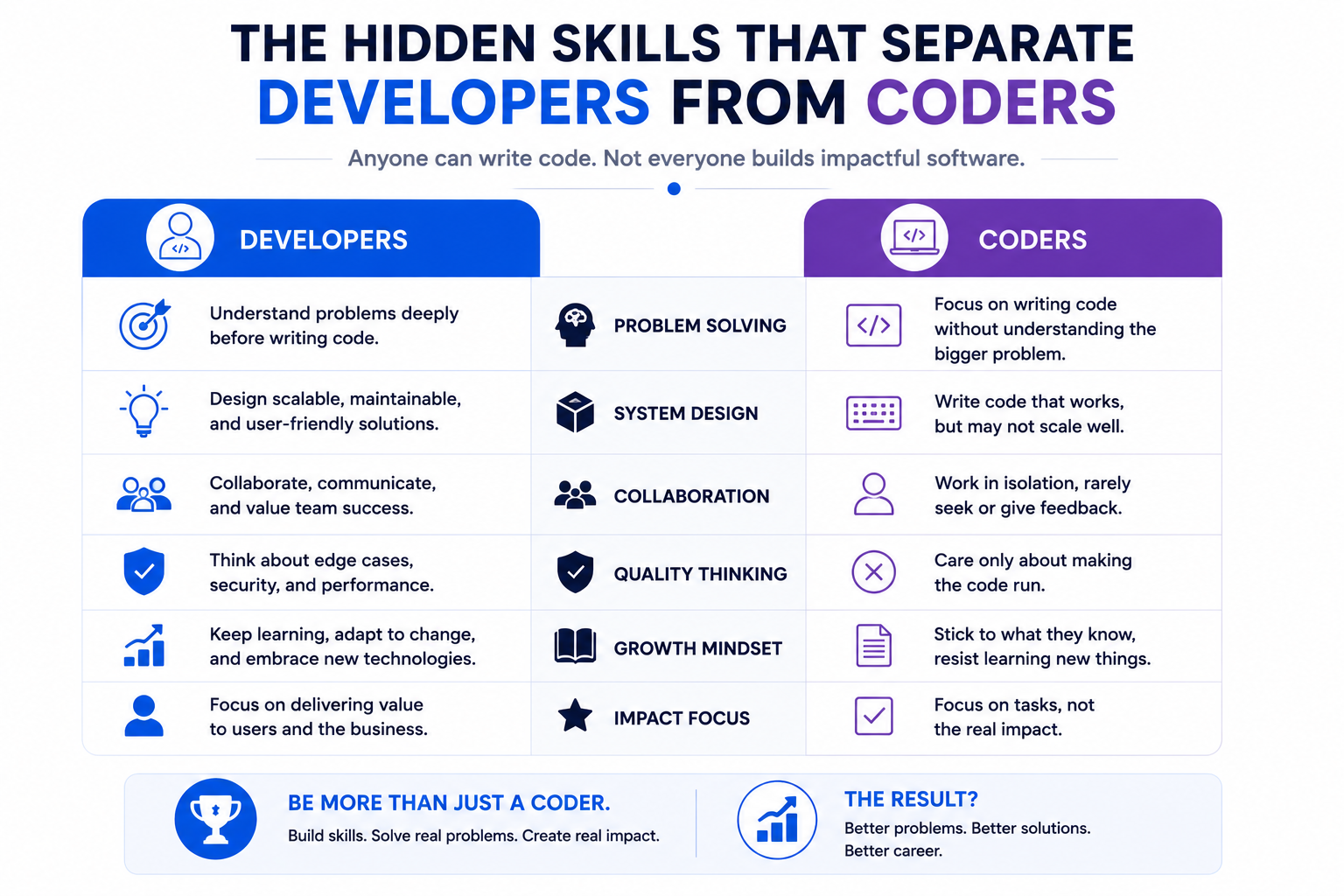
The Shift from Coding to Engineering
In the past, developers spent significant time writing code manually.
In the future, engineers will spend more time:
- Designing Systems
- Reviewing AI Output
- Defining Requirements
- Solving Complex Problems
- Making Architectural Decisions
Coding becomes faster.
Engineering becomes more important.
AI as a Productivity Multiplier
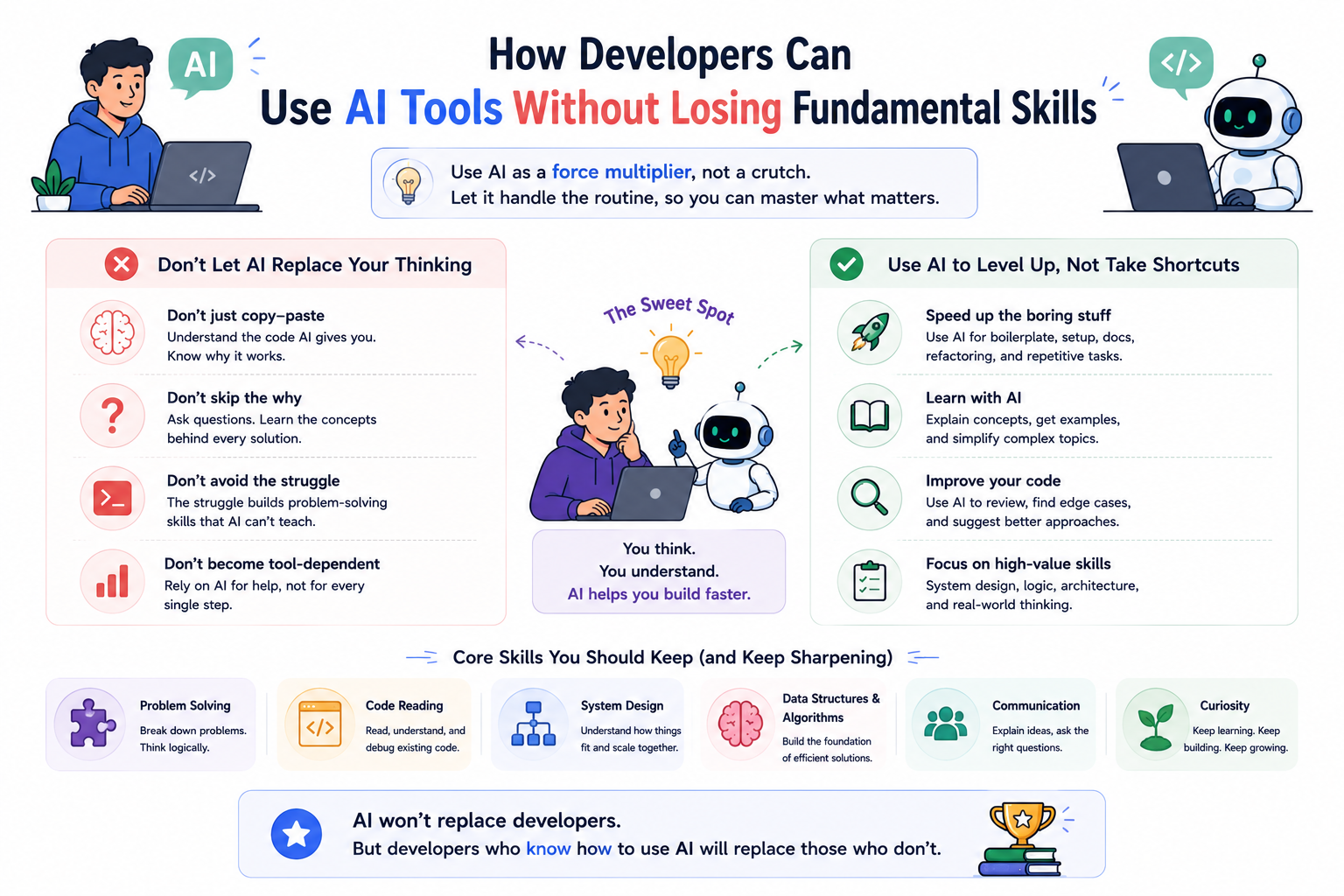
AI functions as a force multiplier.
A skilled developer can:
- Build Faster
- Learn Faster
- Debug Faster
- Deploy Faster
using AI tools effectively.
The greatest productivity gains will occur among developers who already possess strong technical foundations.
AI amplifies existing skills.
Why Fundamentals Matter More Than Ever
As AI automates syntax and repetitive coding tasks, fundamental knowledge becomes increasingly valuable.
Developers should continue mastering:
Data Structures
Efficient data organization.
Algorithms
Efficient problem solving.
Databases
Reliable data management.
Networking
System communication.
Operating Systems
Understanding execution environments.
System Design
Architecting scalable applications.
These concepts help developers evaluate and improve AI-generated solutions.
The Rise of AI-Assisted Development
Modern development workflows increasingly involve:
- Defining the Problem
- Generating Initial Solutions with AI
- Reviewing Output
- Refining Architecture
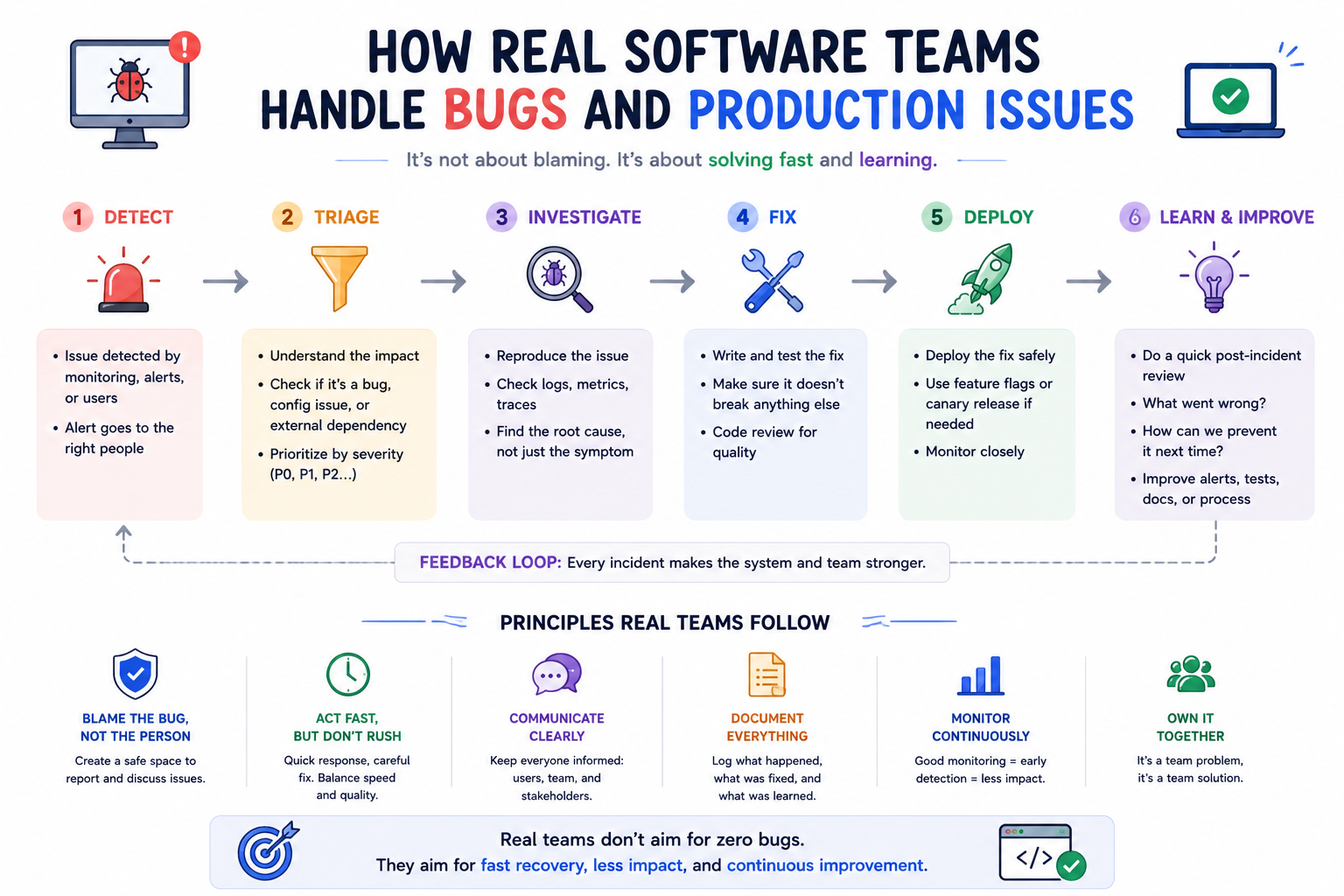
- Testing and Validation
- Deployment
Developers become supervisors and decision-makers rather than manual code writers.
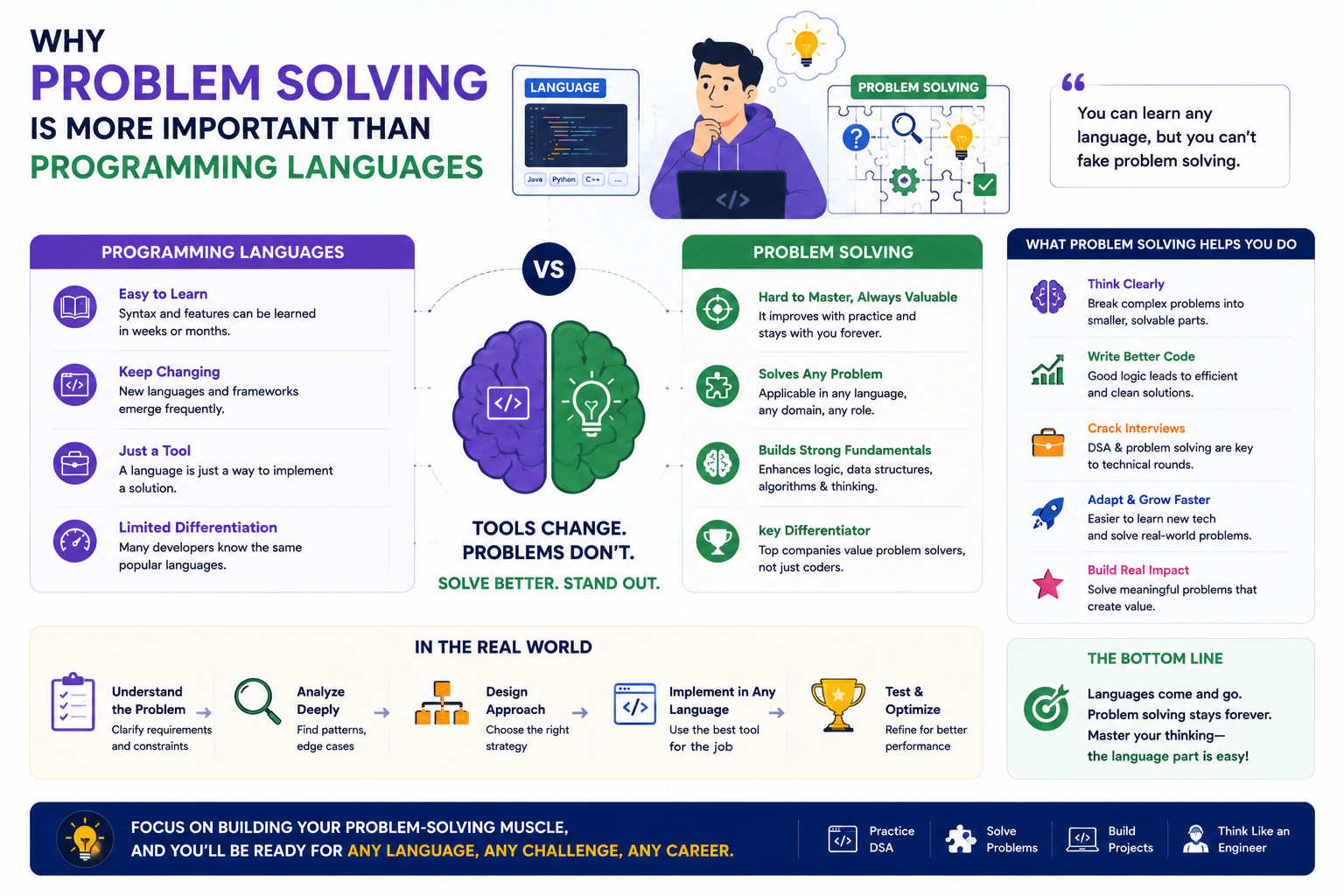
Why Problem Solving Becomes More Valuable
AI can generate code.
AI cannot fully understand:
- Business Context
- Human Intent
- User Needs
- Product Vision
Problem-solving skills become one of the most valuable assets in the AI era.
Developers who understand problems deeply will remain highly valuable.
The Growing Importance of System Design
Large applications require:
- Scalability
- Security
- Reliability
- Performance
These challenges involve architectural thinking.
AI can assist with implementation but cannot fully replace engineering judgment.
System design will become a critical career differentiator.
AI and Software Architecture
Software architecture involves making decisions about:
- Technology Choices
- Infrastructure
- Service Communication
- Data Management
These decisions affect business outcomes and long-term maintainability.
Architectural expertise will continue to be highly valued.
The Future Role of Junior Developers
Junior developers will still be needed.
However, expectations will evolve.
Future junior engineers should understand:
- Programming Fundamentals
- AI Tools
- Git & GitHub
- Cloud Platforms
- System Design Basics
- Software Engineering Principles
AI literacy will become an essential skill.
Why Communication Skills Matter
As coding becomes easier, collaboration becomes more important.
Developers must communicate with:
- Clients
- Product Managers
- Designers
- Stakeholders
Strong communication helps translate business requirements into technical solutions.
This remains difficult to automate.
AI Will Create New Opportunities
Artificial Intelligence is expected to create demand for roles such as:
- AI Engineers
- AI Product Developers
- Prompt Engineers
- AI Solution Architects
- Machine Learning Engineers
- AI Integration Specialists
New technologies often create new career paths.
Industries That Will Benefit Most
AI-assisted programming is transforming:
Software Development
Faster product creation.
Healthcare
AI-powered medical systems.
Finance
Intelligent financial applications.
Education
Personalized learning platforms.
Manufacturing
Automation and optimization.
Developers will play key roles in building these solutions.
Common Myths About AI and Programming
Myth 1: AI Will Replace All Developers
Reality:
AI increases productivity but does not eliminate the need for engineers.
Myth 2: Learning Programming is No Longer Important
Reality:
Programming fundamentals remain essential.
Myth 3: AI Always Produces Correct Code
Reality:
AI-generated code requires validation.
Myth 4: Developers Only Need Prompt Engineering
Reality:
Technical understanding remains critical.
Skills Developers Should Focus On
Technical Skills
- Programming
- Data Structures
- Algorithms
- Databases
- Cloud Computing
Engineering Skills
- System Design
- Architecture
- Security
- DevOps
Professional Skills
- Communication
- Collaboration
- Leadership
- Critical Thinking
These skills will remain highly relevant.
How Students Can Prepare
Learn Fundamentals First
Build strong technical foundations.
Use AI Responsibly
Understand generated solutions.
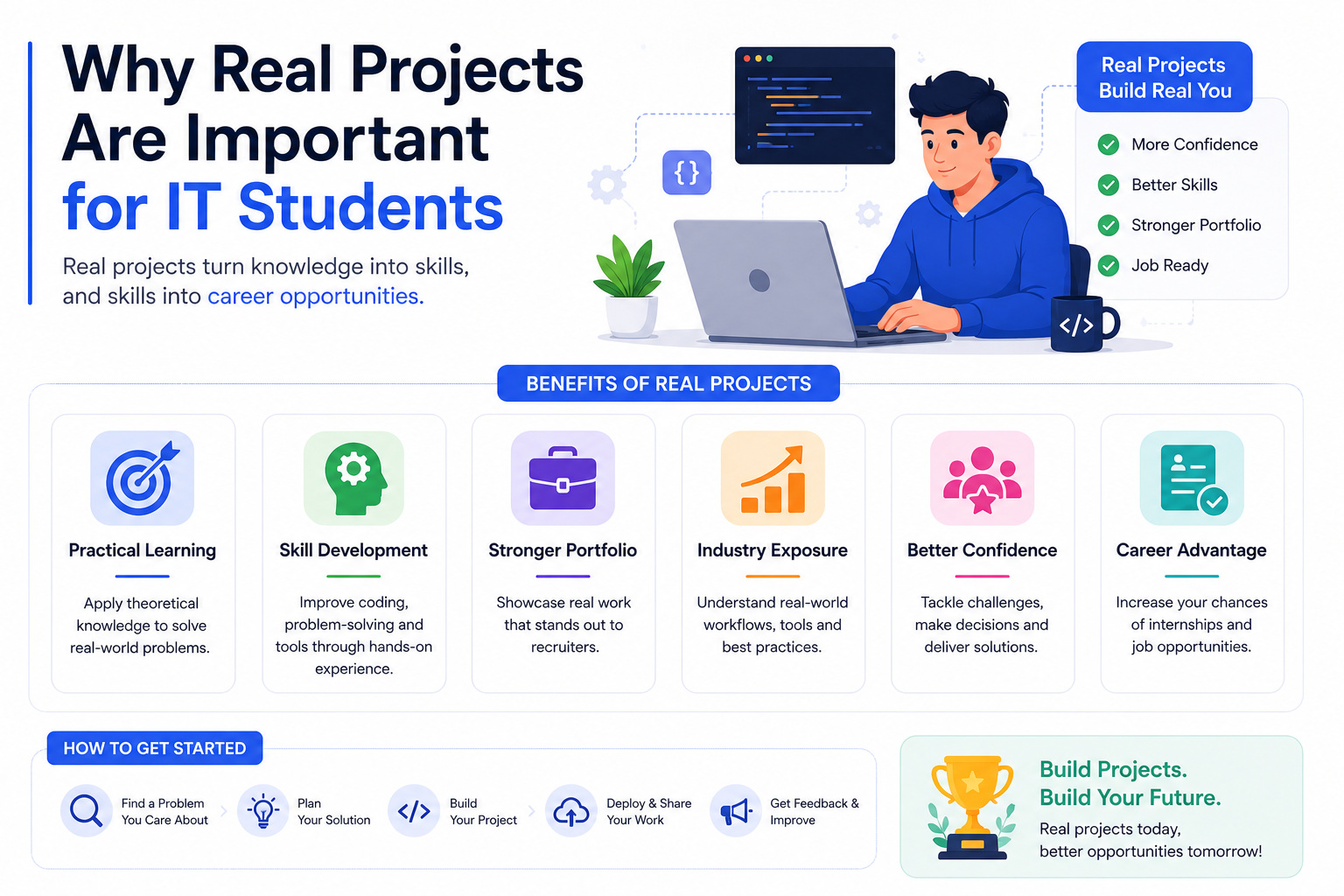
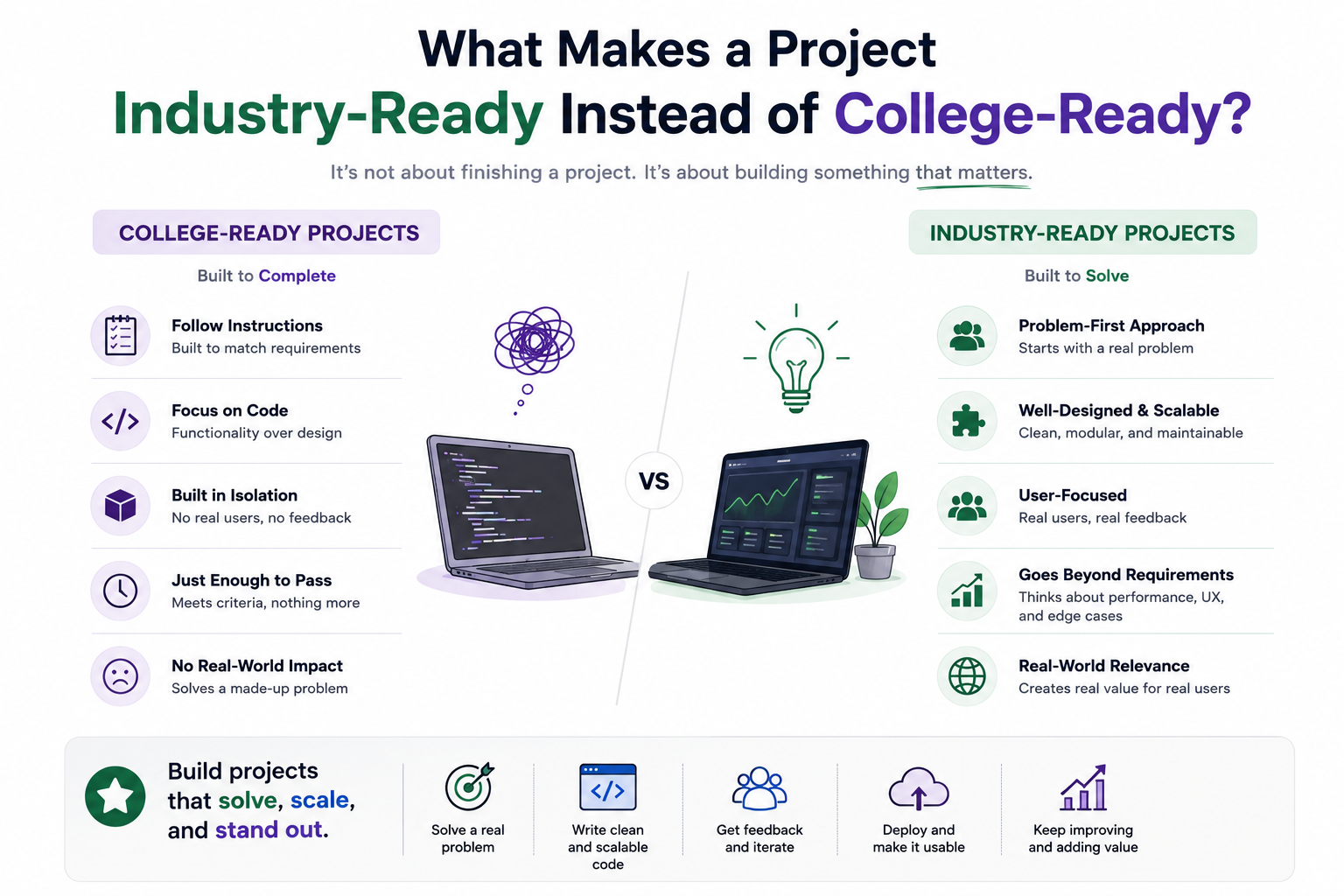
Build Real Projects
Gain practical experience.
Learn Deployment
Understand production environments.
Study System Design
Think beyond coding.
Stay Adaptable
Technology evolves continuously.
Developers who learn continuously will thrive.
The Future of Software Engineering Careers
The software industry is unlikely to need fewer engineers.
Instead, engineers will:
- Build More Software
- Solve Bigger Problems
- Deliver Faster Results
AI will increase expectations and productivity simultaneously.
Those who embrace change will benefit most.
Frequently Asked Questions
Will AI replace programmers?
AI will automate certain tasks but is unlikely to eliminate software engineering careers.
Should students still learn programming?
Yes. Fundamentals remain essential.
What skills will matter most?
Problem solving, architecture, communication, and system design.
Is AI a threat or an opportunity?
For adaptable developers, AI represents a major opportunity.
Conclusion
The future of programming in an AI-assisted world is not about humans versus machines. It is about humans working alongside intelligent tools to build software more efficiently than ever before.
AI will automate repetitive coding tasks, but it will not replace the need for problem solving, system design, software architecture, business understanding, and engineering judgment. Developers who combine strong technical fundamentals with AI-assisted workflows will become more productive, more valuable, and better prepared for the future.
The most successful professionals will not be those who resist AI or blindly depend on it. They will be the developers who learn how to leverage AI while continuing to strengthen the skills that make great software engineers.
🌐 Website: https://grootacademy.com
📺 YouTube: https://www.youtube.com/@YourGrootAcademy
📘 Facebook: http://facebook.com/GrootAcademy
📸 Instagram: https://www.instagram.com/groot.academy/
🐦 X: https://x.com/GrootAcademy
💼 LinkedIn: https://www.linkedin.com/company/grootacademy
📌 Pinterest: https://in.pinterest.com/mygrootacademy/