


Authentication authorization guide is one of the most important topics in modern web security and backend development. Every modern website and application uses authentication and authorization systems to verify users, protect data, manage permissions, and secure backend systems.
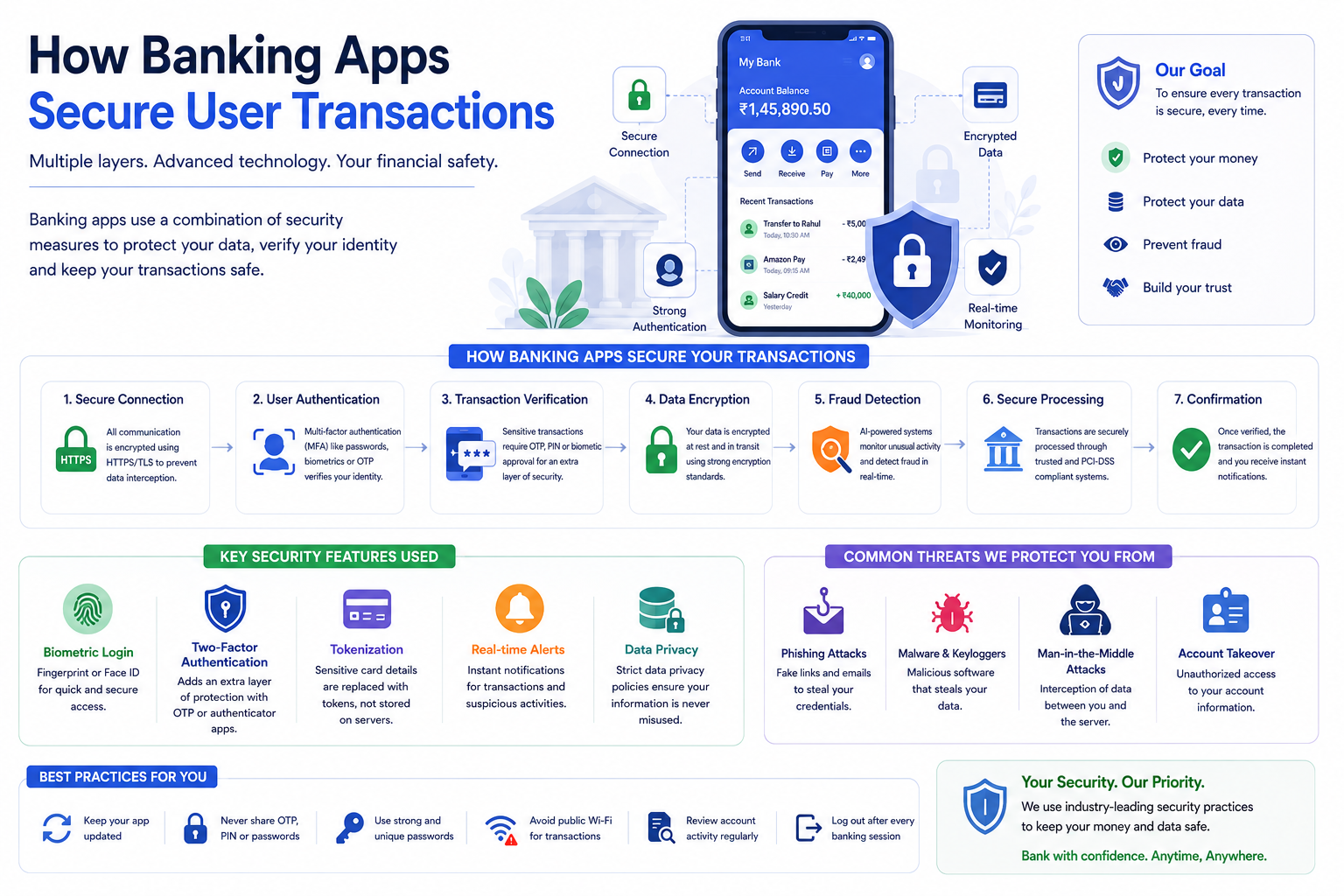
Applications like Instagram, Amazon, LinkedIn, banking platforms, and cloud services rely heavily on secure login systems, APIs, databases, encryption, and authentication workflows.
Modern software companies focus strongly on secure authentication because websites handle millions of users, sensitive information, payment systems, and cloud infrastructure.
Students learning authentication authorization guide concepts can understand how modern login systems work behind the scenes and why security is critical in software engineering.
In this blog, we will explore what happens behind the login system of websites, how authentication and authorization work, and the technologies used in secure backend systems.
What is Authentication?
Authentication is the process of verifying a user’s identity.
Authentication systems check whether users are who they claim to be.
Examples include:
- Email and password login
- OTP verification
- Biometric authentication
- Social login systems
Authentication helps websites protect user accounts and sensitive information.
What is Authorization?
Authorization controls what users are allowed to access.
After authentication, authorization systems decide:
- Which pages users can open
- What actions users can perform
- Which APIs users can access
Authorization protects backend systems and sensitive resources.
How Website Login Systems Work
Modern website login systems follow multiple steps.
Step 1: User Enters Credentials
Users enter:
- Username
- Password
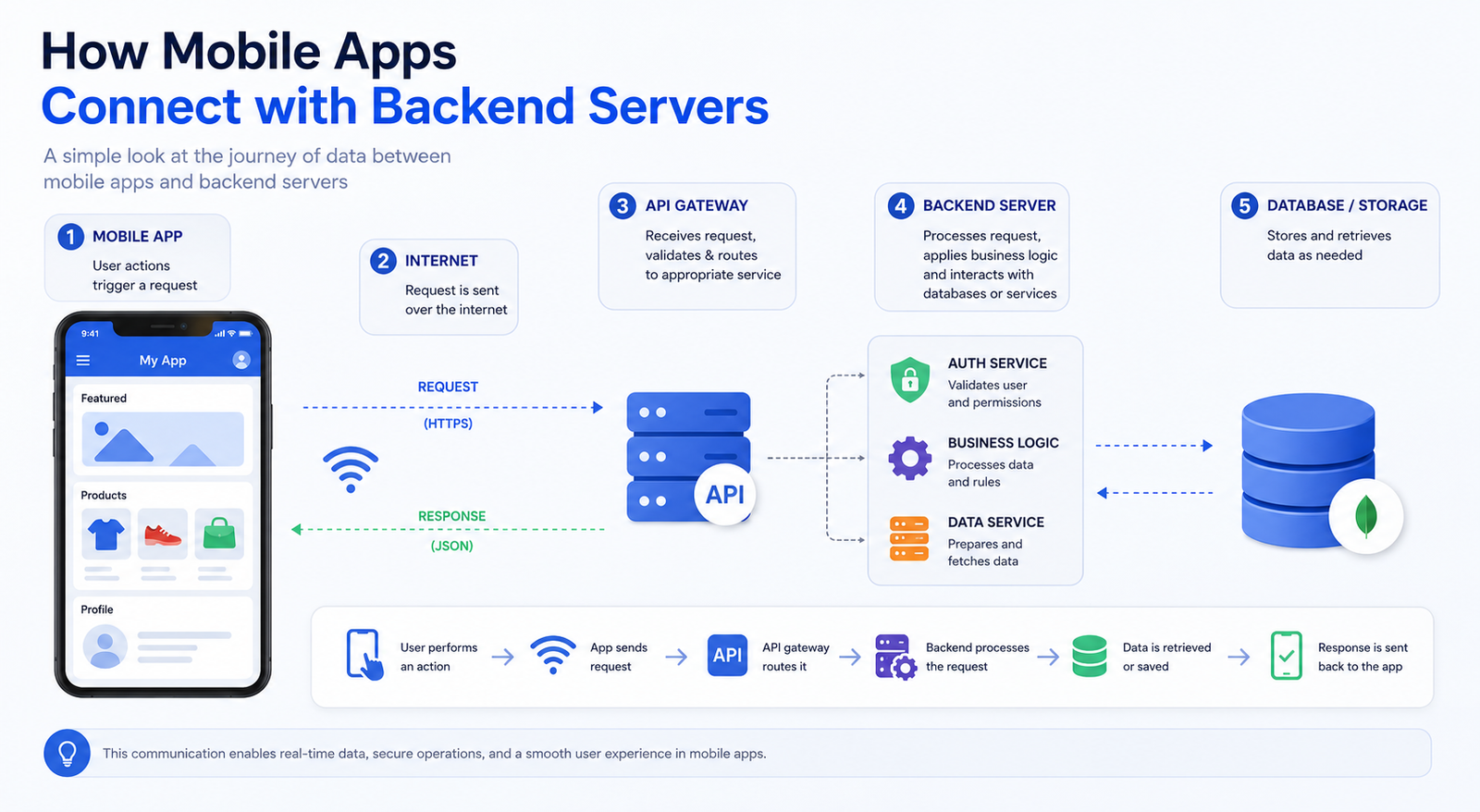
The frontend sends login data securely to the backend server.
Step 2: Backend API Processes Request
Backend APIs receive login requests.
The backend:
- Validates data
- Checks user credentials
- Communicates with databases
Backend systems are responsible for authentication workflows.
Step 3: Database Verification
Databases store user information securely.
The backend checks:
- User existence
- Password hash
- Account status
Popular databases include:
- MySQL
- PostgreSQL
- MongoDB
Databases are critical for authentication systems.
Step 4: Password Encryption and Hashing
Modern websites never store plain passwords.
Passwords are protected using:
- Hashing algorithms
- Encryption systems
- Secure authentication protocols
Popular hashing methods include:
- bcrypt
- Argon2
Password security is essential in modern web applications.
Step 5: Authentication Token Generation
After successful login, servers generate authentication tokens.
Popular token systems include:
- JWT (JSON Web Tokens)
- Session IDs
Tokens help websites verify users without repeated logins.
Step 6: Authorization Checks
After authentication, authorization systems manage permissions.
Examples include:
- Admin access
- User dashboards
- API permissions
- Content restrictions
Authorization improves website security.
APIs in Authentication Systems
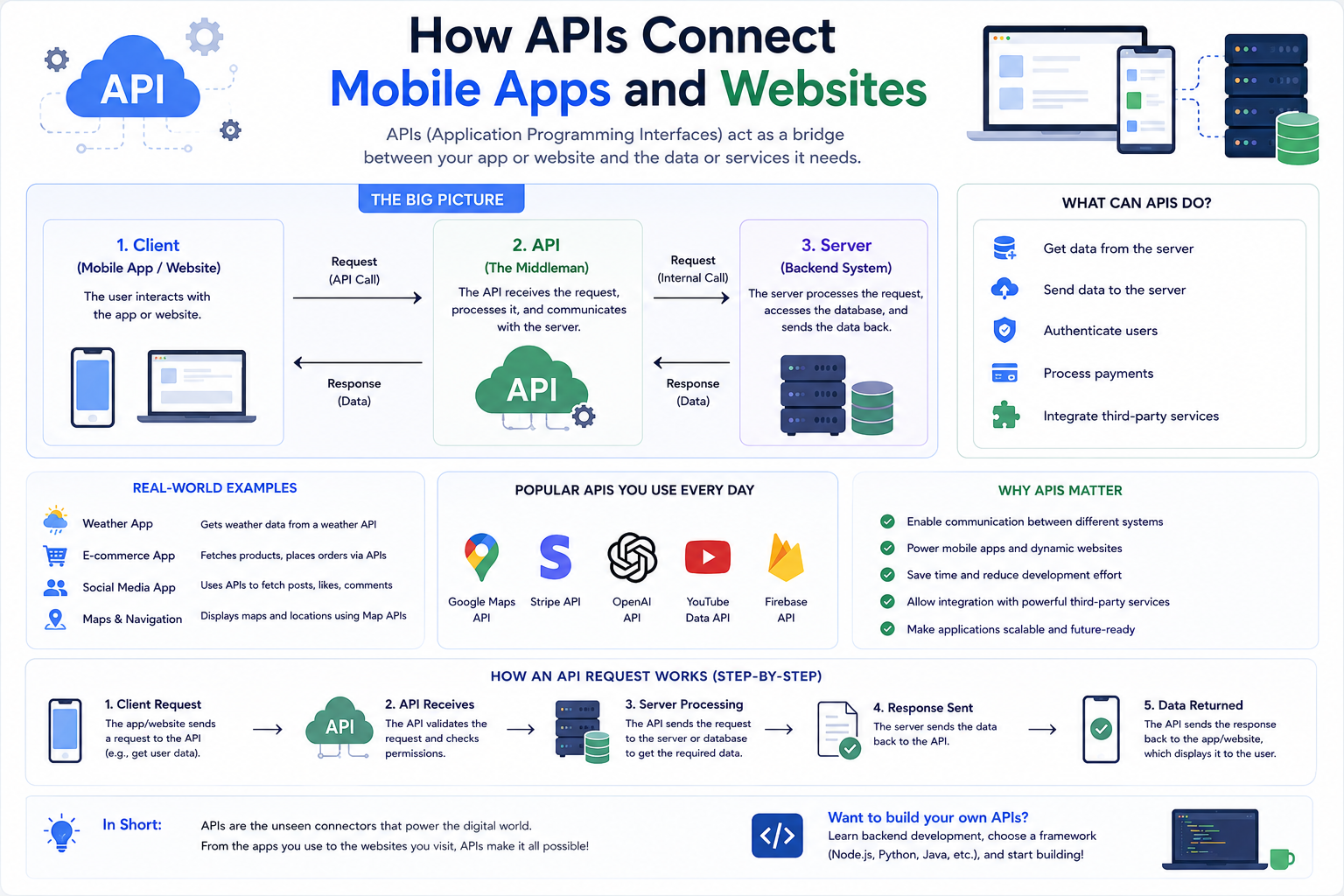
APIs connect frontend systems with backend authentication services.
Authentication APIs manage:
- Login requests
- User verification
- Session management
- Token validation
Modern applications heavily depend on secure APIs.
Role of Frontend in Login Systems
Frontend systems manage:
- Login forms
- Input validation
- Error messages
- Token storage
Popular frontend technologies include:
- React.js
- Angular
- Vue.js
Frontend and backend systems work together for authentication workflows.
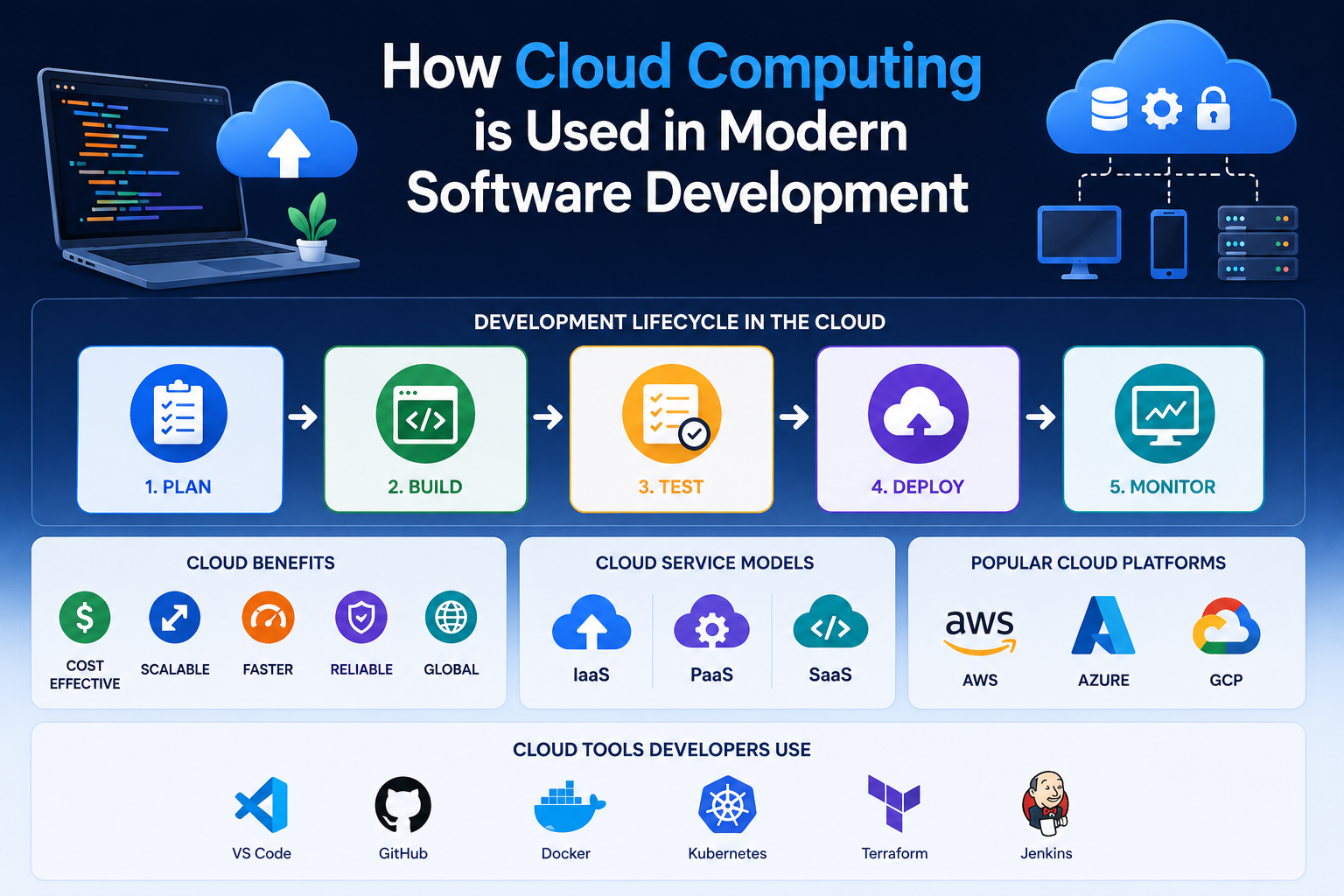
Cloud Computing and Authentication Systems
Modern authentication systems increasingly use cloud infrastructure.
Cloud platforms help with:
- Scalability
- Security monitoring
- API management
- Identity systems
Popular cloud services include:
- AWS Cognito
- Firebase Authentication
- Auth0
Cloud systems improve login scalability and security.
Multi-Factor Authentication (MFA)
Modern websites increasingly use MFA for additional security.
MFA combines:
- Passwords
- OTP verification
- Device verification
- Biometric authentication
Multi-factor authentication improves account protection.
Security Challenges in Login Systems
Authentication systems face multiple security threats.
Common threats include:
- Phishing attacks
- Password leaks
- Brute force attacks
- Session hijacking
- API attacks
Cyber security practices help protect applications.
Best Practices for Secure Login Systems
Modern software companies follow security practices like:
- HTTPS encryption
- Password hashing
- Secure APIs
- Token expiration
- Access control
- Rate limiting
Security best practices improve authentication reliability.
Real-World Examples of Authentication Systems
Modern platforms use authentication systems extensively.
Social Media Platforms
Use authentication for:
- User accounts
- Messaging
- Notifications
Banking Applications
Use advanced authentication for:
- Transactions
- Account security
- OTP verification
E-Commerce Websites
Authentication protects:
- Payments
- Orders
- Customer accounts
Authentication systems are essential for modern applications.
Skills Students Should Learn for Authentication Systems
Students should focus on:
- Backend development
- APIs
- Databases
- Cyber security
- Cloud computing
- Authentication protocols
Practical security projects improve industry readiness.
Career Opportunities in Web Security
Students learning authentication authorization guide concepts can prepare for careers as:
- Backend Developer
- Security Engineer
- Full Stack Developer
- Cloud Engineer
- Software Engineer
Authentication and security skills are highly valuable in modern software companies.
Future of Authentication Systems
The future of authentication focuses heavily on:
- Passwordless authentication
- AI-powered security
- Biometric systems
- Cloud-native identity management
Modern authentication systems continue evolving rapidly.
Final Thoughts
Authentication authorization guide concepts are essential for understanding modern website security and backend systems.
Login systems combine frontend development, backend APIs, databases, cloud infrastructure, encryption, authentication tokens, and authorization workflows.
Students learning backend development, APIs, cyber security, and authentication systems can prepare for strong software engineering careers in 2026.
Practical authentication projects help students understand real-world security workflows and scalable backend systems.
Learn Software Development with Practical Training
🚀 Groot Academy – IT Training Institute
Build your career with practical training in coding, AI, and modern technologies. Learn through real projects and industry-focused guidance.
📺 YouTube: https://www.youtube.com/@YourGrootAcademy
📘 Facebook: http://facebook.com/GrootAcademy
📸 Instagram: https://www.instagram.com/groot.academy/
🐦 X (Twitter): https://x.com/GrootAcademy
💼 LinkedIn: https://www.linkedin.com/company/grootacademy
📌 Pinterest: https://in.pinterest.com/mygrootacademy/
#AuthenticationAuthorizationGuide #WebSecurity #BackendDevelopment #CyberSecurity #SoftwareDevelopment #CareerGrowth