


Understanding the Difference Between Learning and Real-World Experience
In today’s competitive job market, students and professionals are constantly looking for ways to improve their skills and accelerate career growth. Two of the most popular options are online courses and internships.
Online learning platforms have made education accessible to millions of learners worldwide. At the same time, internships continue to be one of the most effective ways to gain practical industry experience.
A common question many students ask is:
“Should I focus on online courses or internships?”
The answer is not as simple as choosing one over the other. Both offer unique advantages, and understanding their differences can help students make better career decisions.
What is an Online Course?
An online course is a structured learning program delivered through digital platforms.
Students can learn:
- Programming
- Data Science
- Artificial Intelligence
- Web Development
- Digital Marketing
- Cloud Computing
- Cybersecurity
- Software Engineering
Popular benefits include:
- Flexible schedules
- Self-paced learning
- Affordable education
- Access from anywhere
Online courses help students build theoretical knowledge and technical foundations.
What is an Internship?
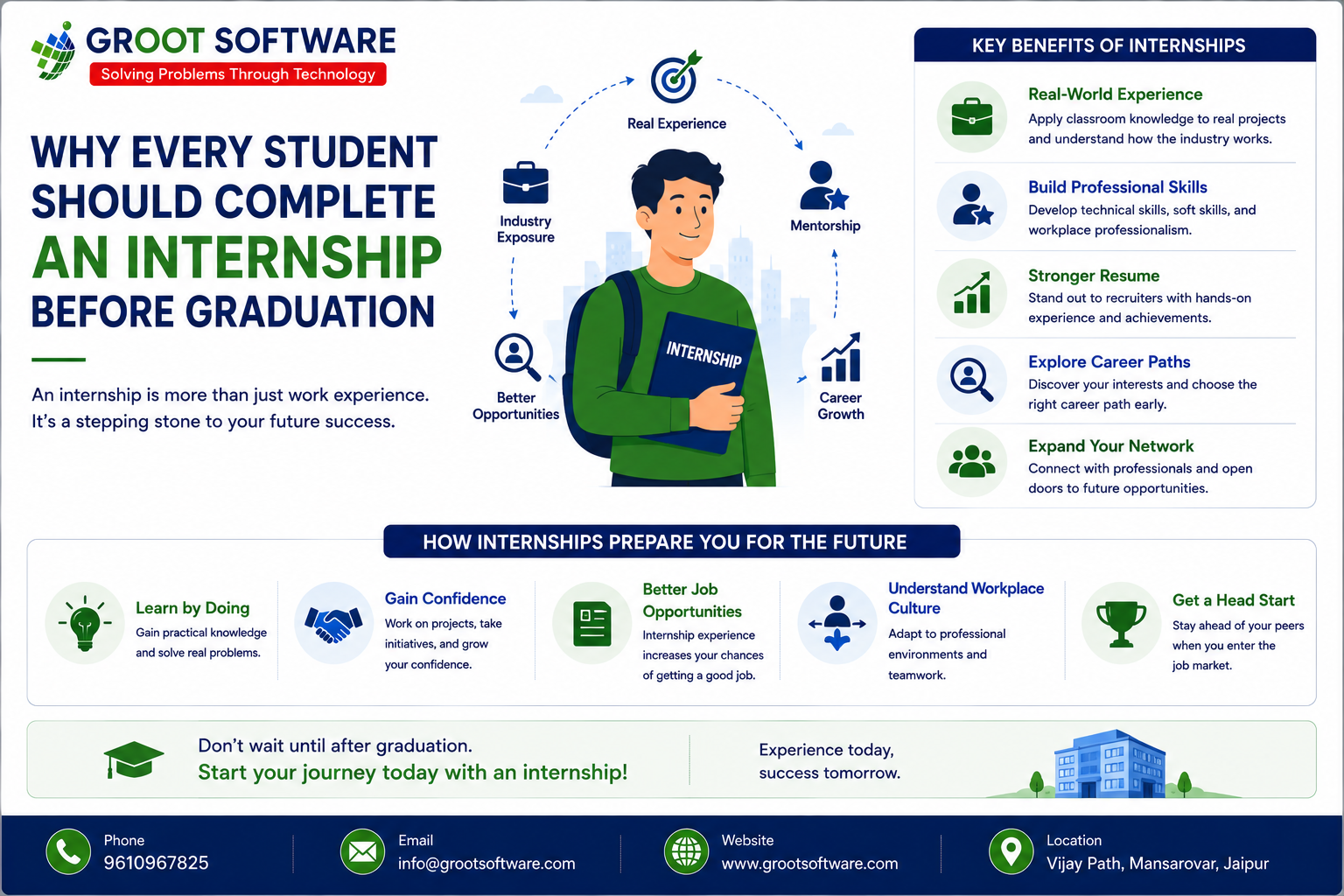
An internship is a practical training program where students work on real projects under the guidance of industry professionals.
Internships provide exposure to:
- Professional Workflows
- Industry Tools
- Team Collaboration
- Real Clients
- Project Management
- Workplace Communication
Internships focus on applying knowledge in real-world environments.
Online Course vs Internship: Key Differences
Learning Approach
Online Courses
Focus on:
- Theory
- Concepts
- Tutorials
- Assignments
Internships
Focus on:
- Practical Application
- Real Projects
- Industry Experience
- Problem Solving
Industry Exposure
Online Courses
Limited exposure to actual workplace environments.
Internships
Direct exposure to company operations, workflows, and team collaboration.
Project Experience
Online Courses
Projects are often guided and educational.
Internships
Projects are typically based on actual business requirements.
Networking Opportunities
Online Courses
Limited professional networking.
Internships
Students interact with:
- Mentors
- Team Leads
- Developers
- Recruiters
- Industry Experts
Communication Skills
Online Courses
Technical learning is emphasized.
Internships
Students develop:
- Communication Skills
- Teamwork
- Professional Conduct
- Presentation Skills
Advantages of Online Courses
Flexible Learning
Students can learn at their own pace.
Wide Range of Topics
Thousands of courses are available across technologies and industries.
Affordable Education
Many courses are free or low-cost.
Quick Skill Development
Students can learn specific technologies quickly.
Good for Beginners
Online courses provide strong foundations for new learners.
Advantages of Internships
Real Industry Experience
Students gain practical exposure to workplace environments.
Professional Mentorship
Guidance from experienced professionals.
Real Project Development
Students work on practical business problems.
Stronger Resume
Employers often value practical experience highly.
Better Job Readiness
Internships help students transition smoothly into professional roles.
What Recruiters Value More
Many recruiters view internships as stronger indicators of job readiness because they demonstrate:
- Practical Experience
- Team Collaboration
- Workplace Understanding
- Problem-Solving Ability
However, online courses are valuable when they help students acquire in-demand technical skills.
The strongest candidates often combine both.
Example: Software Development Career
Student A
Completed:
- 10 Online Courses
- No Internship
- Limited Projects
Student B
Completed:
- 3 Relevant Courses
- Internship Experience
- Real Projects
- GitHub Portfolio
In most cases, recruiters are more likely to prefer Student B because they have demonstrated practical application of their skills.
Best Strategy for Students
Instead of choosing one, combine both.
Step 1
Learn fundamentals through online courses.
Step 2
Build projects using acquired knowledge.
Step 3
Complete internships to gain practical experience.
Step 4
Maintain a GitHub portfolio.
Step 5
Continue learning advanced skills through courses.
This approach creates a strong balance between knowledge and experience.
Industries Where Internships Matter Most
- Software Development
- Artificial Intelligence
- Data Science
- Cybersecurity
- Cloud Computing
- Digital Marketing
- Business Analytics
In these industries, practical experience often plays a significant role in hiring decisions.
Common Mistakes Students Make
Collecting Too Many Certificates
Certificates without practical application have limited impact.
Ignoring Internships
Students miss opportunities to gain real-world experience.
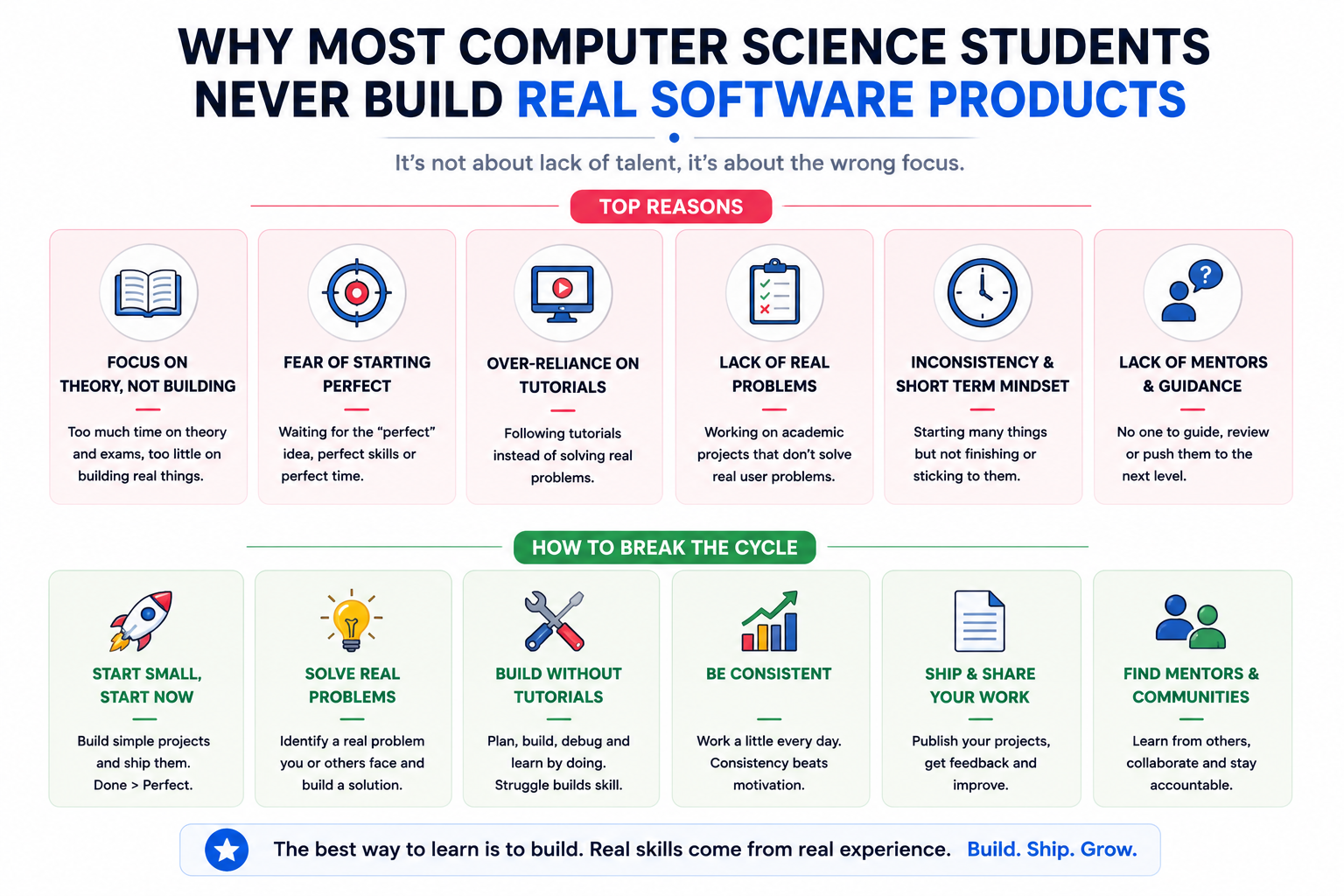
Not Building Projects
Projects demonstrate technical competence.
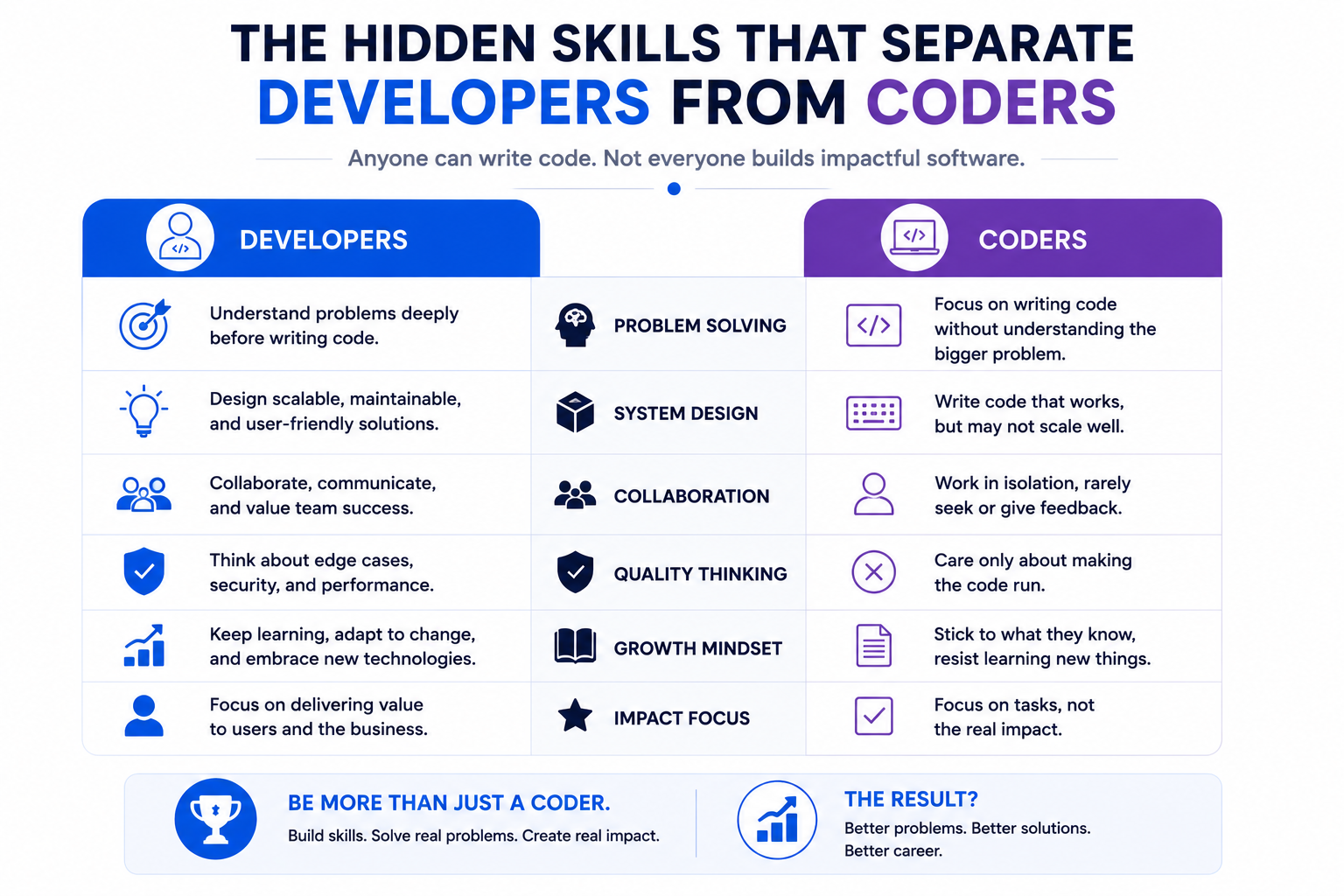
Focusing Only on Theory
Employers value practical problem-solving abilities.
Long-Term Career Growth
Online Courses Help With:
- Skill Development
- Technology Learning
- Continuous Education
Internships Help With:
- Industry Experience
- Professional Growth
- Job Readiness
- Networking
Together, they create a powerful foundation for career success.
Frequently Asked Questions
Are internships better than online courses?
For job readiness, internships generally provide more practical value. However, online courses are excellent for learning new skills.
Can I get a job with only online courses?
Yes, but internships and projects significantly improve your chances.
Do recruiters value certificates?
Certificates can help, but practical experience often has greater impact.
Should students complete both?
Absolutely. Combining online learning with internship experience is often the best strategy.
Conclusion
The debate between internships and online courses should not be about choosing one over the other. Online courses help students learn valuable skills, while internships provide opportunities to apply those skills in real-world environments.
Students who combine quality learning, practical projects, and internship experience are often better prepared for successful careers and have stronger opportunities for long-term professional growth.
🌐 Website: https://grootacademy.com
📺 YouTube: https://www.youtube.com/@YourGrootAcademy
📘 Facebook: http://facebook.com/GrootAcademy
📸 Instagram: https://www.instagram.com/groot.academy/
🐦 X: https://x.com/GrootAcademy
💼 LinkedIn: https://www.linkedin.com/company/grootacademy
📌 Pinterest: https://in.pinterest.com/mygrootacademy/