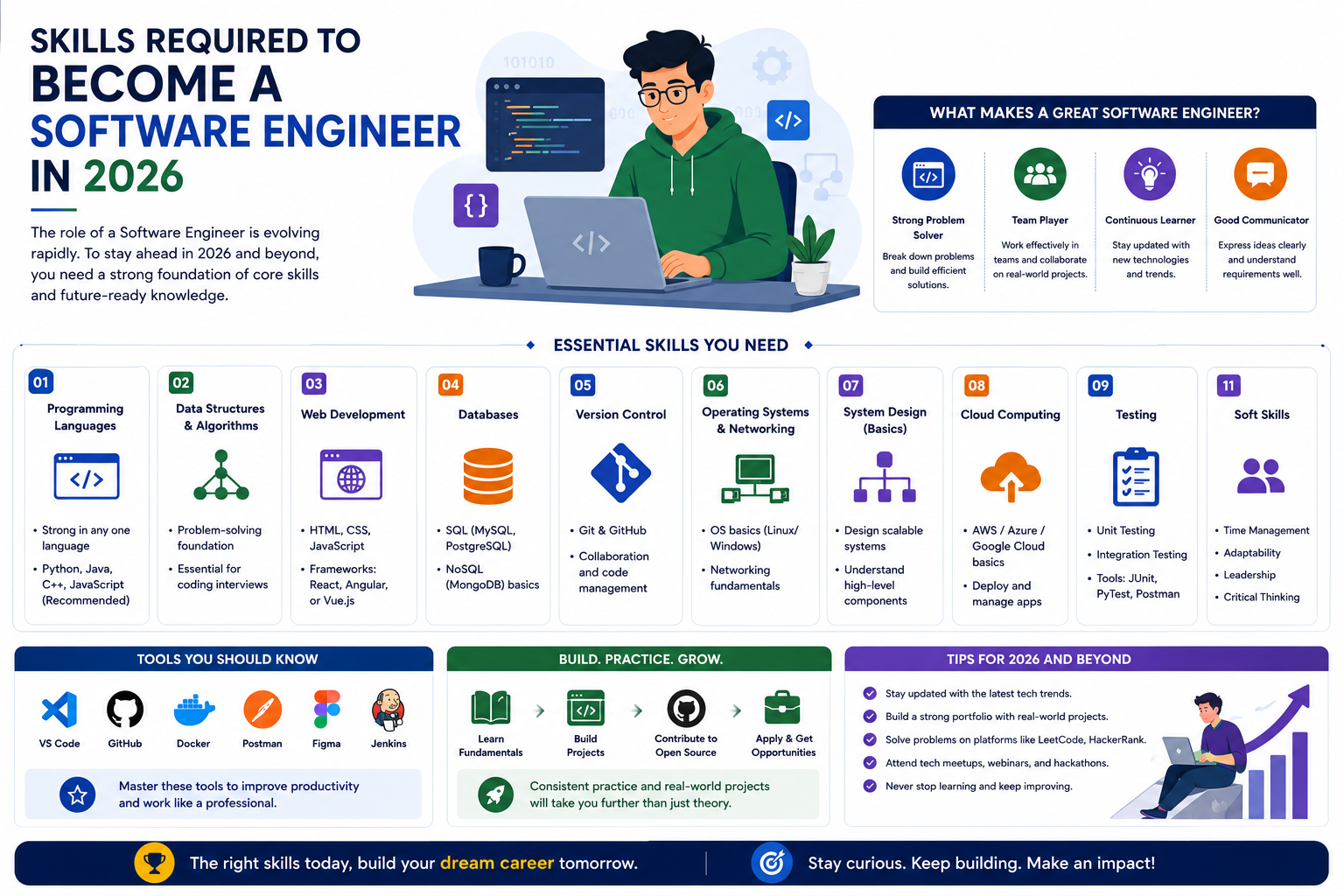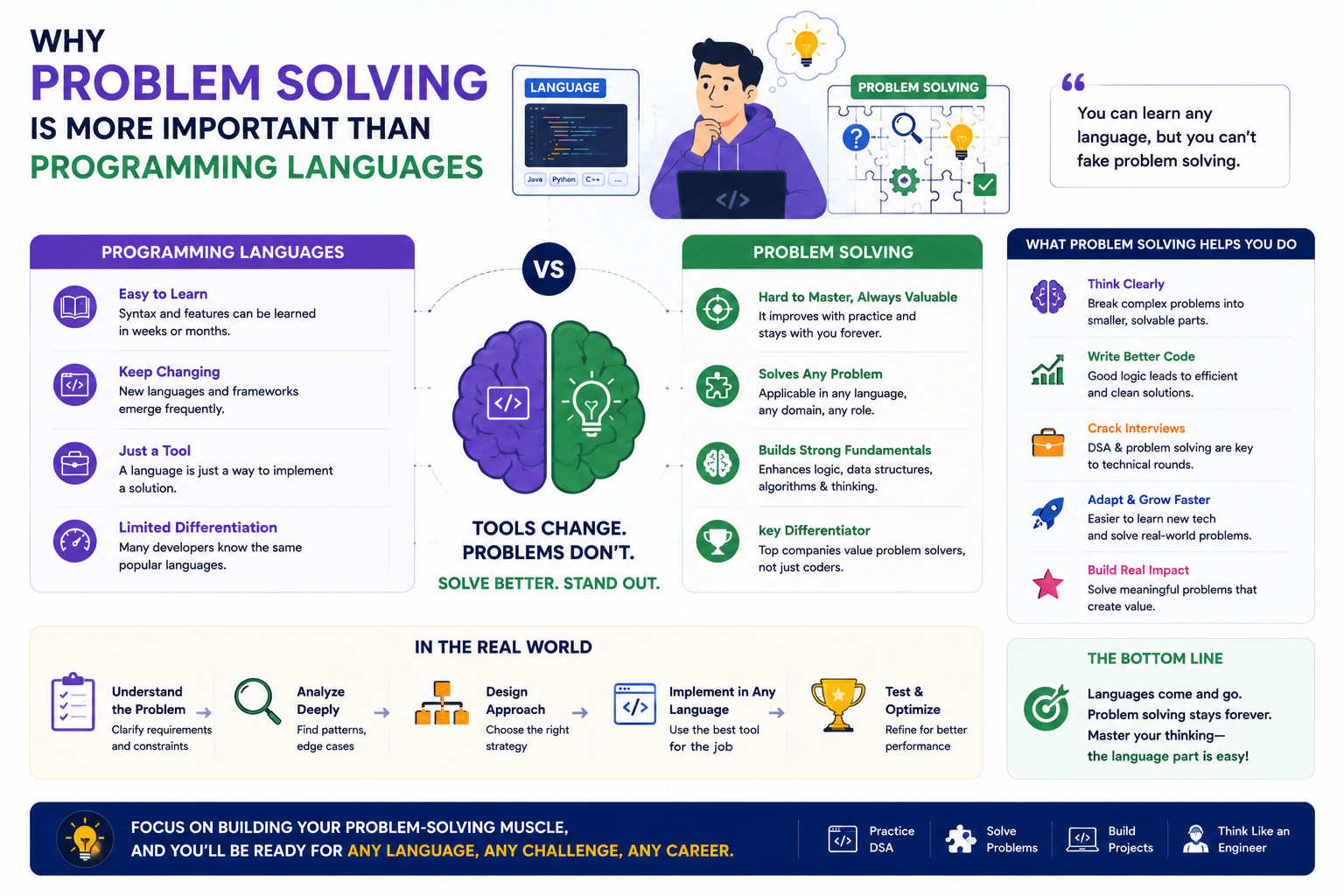



The Missing Skill That Separates Student Projects from Real Software Products
Most students spend months learning programming languages, frameworks, databases, and algorithms. They build projects, complete assignments, and create applications that work perfectly on their laptops.
However, a critical question often remains unanswered:
Can anyone else actually use your application?
If the answer is no, then your software has not completed its journey.
This is where deployment becomes important.
Many aspiring developers focus entirely on writing code but never learn how software is deployed, hosted, monitored, and maintained in production environments. As a result, they understand development but lack the skills required to deliver software to real users.
In modern software engineering, coding and deployment are equally important. A software product only creates value when users can access and use it.
This is why deployment skills have become essential for developers, software engineers, DevOps professionals, and technology teams worldwide.
What is Deployment?
Deployment is the process of making an application available to users.
After software is developed and tested, it must be:
- Hosted
- Configured
- Published
- Maintained
so users can access it through the internet or an internal network.
Without deployment, software remains limited to a developer’s local machine.
Why Coding Alone is Not Enough
Imagine building:
- An E-Commerce Website
- A Learning Management System
- A Mobile Application Backend
- An AI Chatbot
The application may function perfectly during development.
However, users cannot benefit from it until it is deployed.
Coding creates software.
Deployment delivers software.
Both are necessary.
The Reality of Modern Software Development
In professional environments, software development includes:
- Planning
- Development
- Testing
- Deployment
- Monitoring
- Maintenance
Many students learn only step 2.
Professional software engineers understand the complete lifecycle.
What Happens After Coding?
After development is complete, teams must:
Build the Application
Prepare software for production.
Configure Servers
Set up hosting environments.
Connect Databases
Ensure persistent data storage.
Configure Domains
Make applications accessible through URLs.
Enable Security
Protect applications and users.
Monitor Performance
Track reliability and usage.
Deployment involves much more than uploading files.
Why Recruiters Value Deployment Skills
Many freshers know:
- Java
- Python
- JavaScript
- ReactJS
- Spring Boot
But fewer understand:
- Hosting
- Cloud Platforms
- CI/CD
- Docker
- Server Configuration
Candidates who understand deployment often stand out because they demonstrate end-to-end development capability.
Development vs Deployment
| Development | Deployment |
|---|---|
| Writing Code | Delivering Software |
| Building Features | Making Features Available |
| Local Environment | Production Environment |
| Creating Applications | Running Applications |
| Developer Focus | User Focus |
Both are essential parts of software engineering.
Why Deployment Teaches Real-World Skills
Understanding Servers
Students learn how applications run outside local machines.
Networking Concepts
Understanding:
- Domains
- DNS
- Ports
- HTTPS
Security Practices
Learning:
- SSL Certificates
- Authentication
- Firewalls
Performance Optimization
Improving application speed and reliability.
These skills are rarely learned through coding alone.
Learning Deployment Improves Project Quality
Many student projects fail because:
- They are never deployed.
- Recruiters cannot access them.
- Users cannot test them.
A deployed project demonstrates:
- Confidence
- Practical Skills
- Professionalism
Recruiters often prefer seeing a live application rather than screenshots.
Common Deployment Platforms
Shared Hosting
Simple and beginner-friendly.
VPS Hosting
Provides greater control.
Cloud Platforms
Examples:
- AWS
- Microsoft Azure
- Google Cloud Platform
Platform as a Service (PaaS)
Examples:
- Render
- Railway
- Vercel
- Netlify
These platforms simplify deployment for beginners.
What is DevOps?
DevOps combines:
- Development
- Operations
Its goal is to improve software delivery speed, reliability, and quality.
DevOps practices include:
- Automation
- CI/CD
- Monitoring
- Infrastructure Management
Deployment is a key part of DevOps.
CI/CD: Modern Deployment Workflows
CI/CD stands for:
Continuous Integration
Automatically testing code changes.
Continuous Deployment
Automatically deploying updates.
Benefits include:
- Faster Releases
- Reduced Errors
- Improved Productivity
Most professional software teams use CI/CD pipelines.
Why GitHub and Deployment Work Together
Modern workflows often follow:
- Write Code
- Push to GitHub
- Trigger CI/CD Pipeline
- Deploy Automatically
Understanding this process helps students prepare for industry environments.
Docker and Modern Deployment
Docker allows developers to package applications consistently.
Benefits:
- Portability
- Consistency
- Scalability
Docker has become a valuable deployment skill.
Real Example: Building a Portfolio Website
Many students create portfolio websites.
Without deployment:
- Only the developer can view it.
With deployment:
- Recruiters can access it.
- Clients can review it.
- Opportunities increase.
Deployment transforms projects into public products.
Why Deployment Improves Career Opportunities
Students who understand deployment can:
- Showcase Projects
- Freelance Professionally
- Build SaaS Products
- Launch Startups
- Contribute More Effectively in Teams
Deployment expands career possibilities.
Common Mistakes Students Make
Only Learning Coding
Ignoring hosting and deployment.
Avoiding Cloud Technologies
Cloud skills are highly valuable.
No Live Projects
Recruiters prefer working applications.
Fear of Servers
Basic deployment is easier than many students assume.
Ignoring DevOps Concepts
Understanding deployment improves software engineering knowledge.
How Students Can Start Learning Deployment
Step 1
Deploy a Static Website using:
- Netlify
- Vercel
Step 2
Deploy Backend Applications using:
- Render
- Railway
Step 3
Learn Database Hosting
Examples:
- MongoDB Atlas
- Cloud SQL
Step 4
Learn Docker
Containerize applications.
Step 5
Explore Cloud Platforms
Learn AWS, Azure, or Google Cloud.
Skills Gained Through Deployment
Technical Skills
- Hosting
- Cloud Computing
- Networking
- Security
Professional Skills
- Problem Solving
- Troubleshooting
- System Thinking
These abilities make developers more valuable.
Future of Software Engineering
As AI tools automate more coding tasks, engineers who understand:
- Deployment
- Infrastructure
- Cloud Architecture
- DevOps
will become increasingly valuable.
Software must not only be built—it must be delivered reliably.
Frequently Asked Questions
Is deployment necessary for beginners?
Yes. Even simple deployment experience provides valuable practical knowledge.
Should developers learn DevOps?
Basic DevOps understanding benefits every software engineer.
Do recruiters care about deployed projects?
Absolutely. Live applications demonstrate real-world skills.
Is cloud knowledge important?
Cloud platforms are widely used in modern software development.
Conclusion
Learning coding is essential, but learning deployment completes the software development journey. Coding creates applications, while deployment makes them available to real users.
Students who understand hosting, cloud platforms, DevOps workflows, CI/CD pipelines, and deployment practices gain a significant advantage in today’s technology industry. These skills improve project quality, strengthen portfolios, increase employability, and prepare developers for real-world software engineering environments.
The best developers are not just people who can write software—they are people who can successfully deliver software to the world.
🌐 Website: https://grootacademy.com
📺 YouTube: https://www.youtube.com/@YourGrootAcademy
📘 Facebook: http://facebook.com/GrootAcademy
📸 Instagram: https://www.instagram.com/groot.academy/
🐦 X: https://x.com/GrootAcademy
💼 LinkedIn: https://www.linkedin.com/company/grootacademy
📌 Pinterest: https://in.pinterest.com/mygrootacademy/