


DevOps in software companies has become one of the most important concepts in modern software engineering. DevOps helps organizations improve software development speed, automate deployment workflows, enhance collaboration, and build scalable cloud-native applications.
Modern software companies use DevOps practices to deliver applications faster while maintaining high reliability, security, and performance.
From startups and SaaS platforms to enterprise software companies and cloud providers, DevOps is transforming how software teams develop, test, deploy, and manage applications.
Students learning DevOps in software companies can prepare for careers in cloud computing, backend development, automation engineering, site reliability engineering, and software architecture.
In this blog, we will explore how DevOps is transforming software companies, the technologies involved, and why DevOps skills are becoming essential in 2026.
What is DevOps?
DevOps is a combination of:
- Development
- Operations
DevOps focuses on improving collaboration between software developers and operations teams.
DevOps helps companies:
- Automate deployment
- Improve software delivery
- Reduce downtime
- Increase scalability
- Improve monitoring
Modern software companies heavily depend on DevOps workflows.
Why DevOps is Important in Software Companies
DevOps in software companies is important because modern applications require:
- Faster deployment
- Continuous updates
- Cloud scalability
- Automated testing
- Reliable infrastructure
Traditional software workflows were slower and less scalable.
DevOps improves development efficiency significantly.
How DevOps Transforms Software Development
DevOps changes software development by introducing:
CI/CD Pipelines
CI/CD stands for:
- Continuous Integration
- Continuous Deployment
CI/CD pipelines automate:
- Code testing
- Deployment
- Integration
- Monitoring
Automation improves software delivery speed.
Infrastructure Automation
DevOps automates infrastructure management using tools like:
- Terraform
- Ansible
- Kubernetes
Automation reduces manual configuration work.
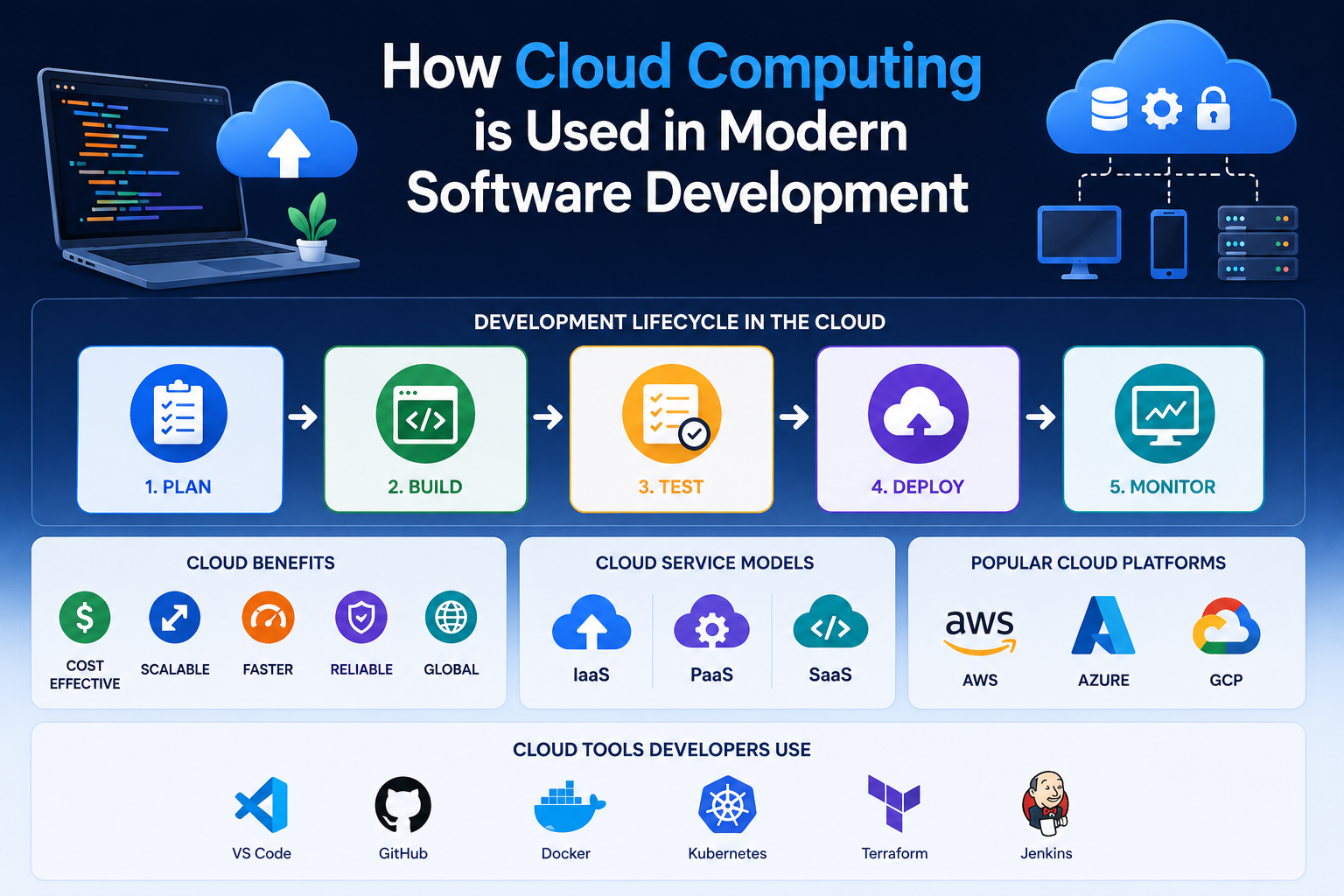
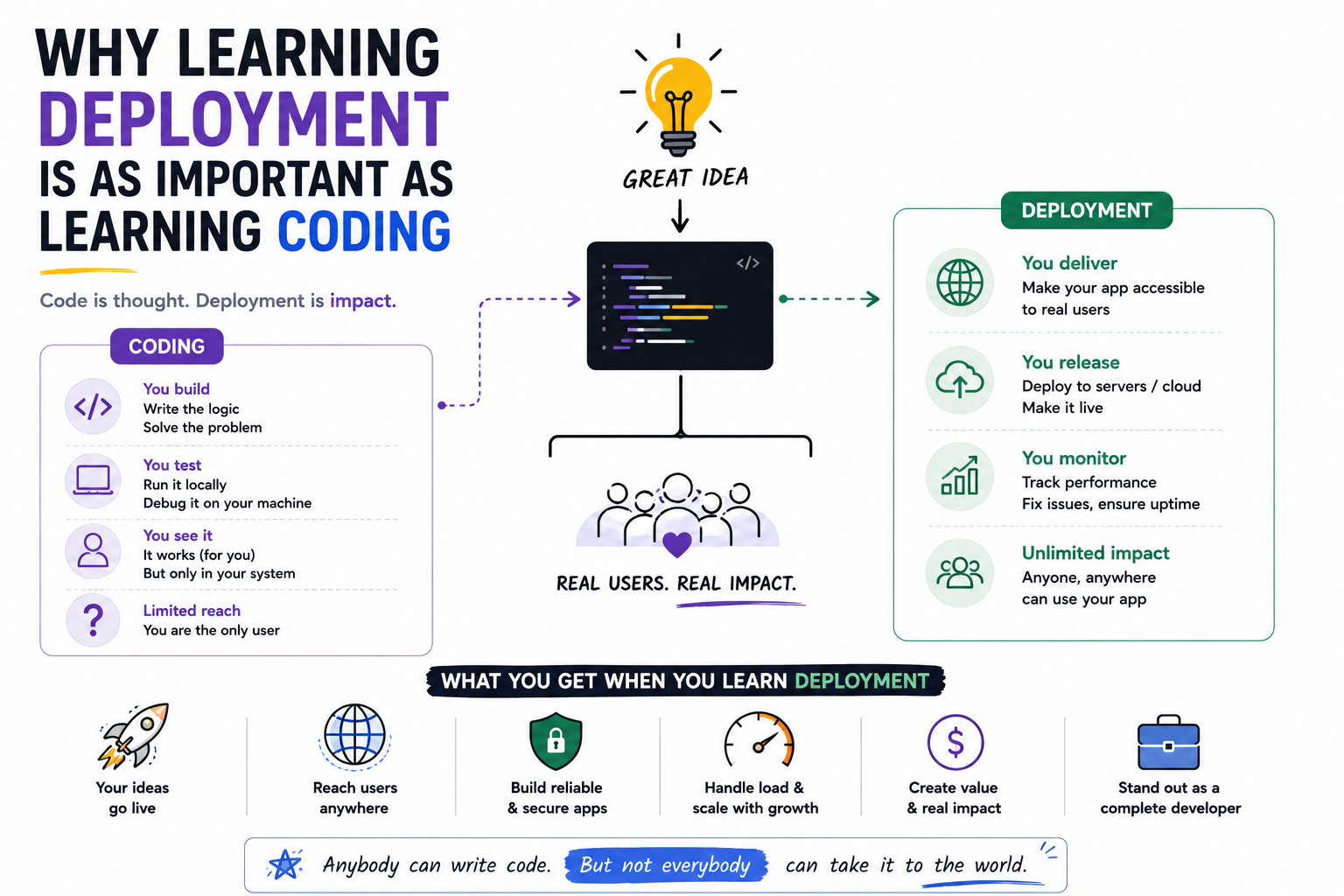
Cloud Deployment
DevOps teams deploy applications using cloud platforms such as:
- AWS
- Microsoft Azure
- Google Cloud
Cloud infrastructure improves scalability and availability.
Popular DevOps Tools
Modern DevOps workflows use multiple tools.
Docker
Docker helps developers containerize applications.
Benefits include:
- Faster deployment
- Environment consistency
- Scalability
Kubernetes
Kubernetes manages container orchestration.
Kubernetes helps companies:
- Scale applications
- Manage cloud systems
- Improve reliability
Jenkins
Jenkins automates CI/CD workflows.
It helps teams:
- Build applications
- Run tests
- Deploy updates automatically
GitHub Actions
GitHub Actions automate software workflows directly from GitHub repositories.
DevOps and Cloud Computing
DevOps and cloud computing work together closely.
Cloud-native applications rely heavily on DevOps for:
- Deployment
- Monitoring
- Scaling
- Infrastructure management
Modern software systems increasingly use cloud automation.
DevOps in Real Software Companies
Large technology companies use DevOps extensively.
Netflix
Netflix uses DevOps for:
- Cloud deployment
- Monitoring systems
- Scalable infrastructure
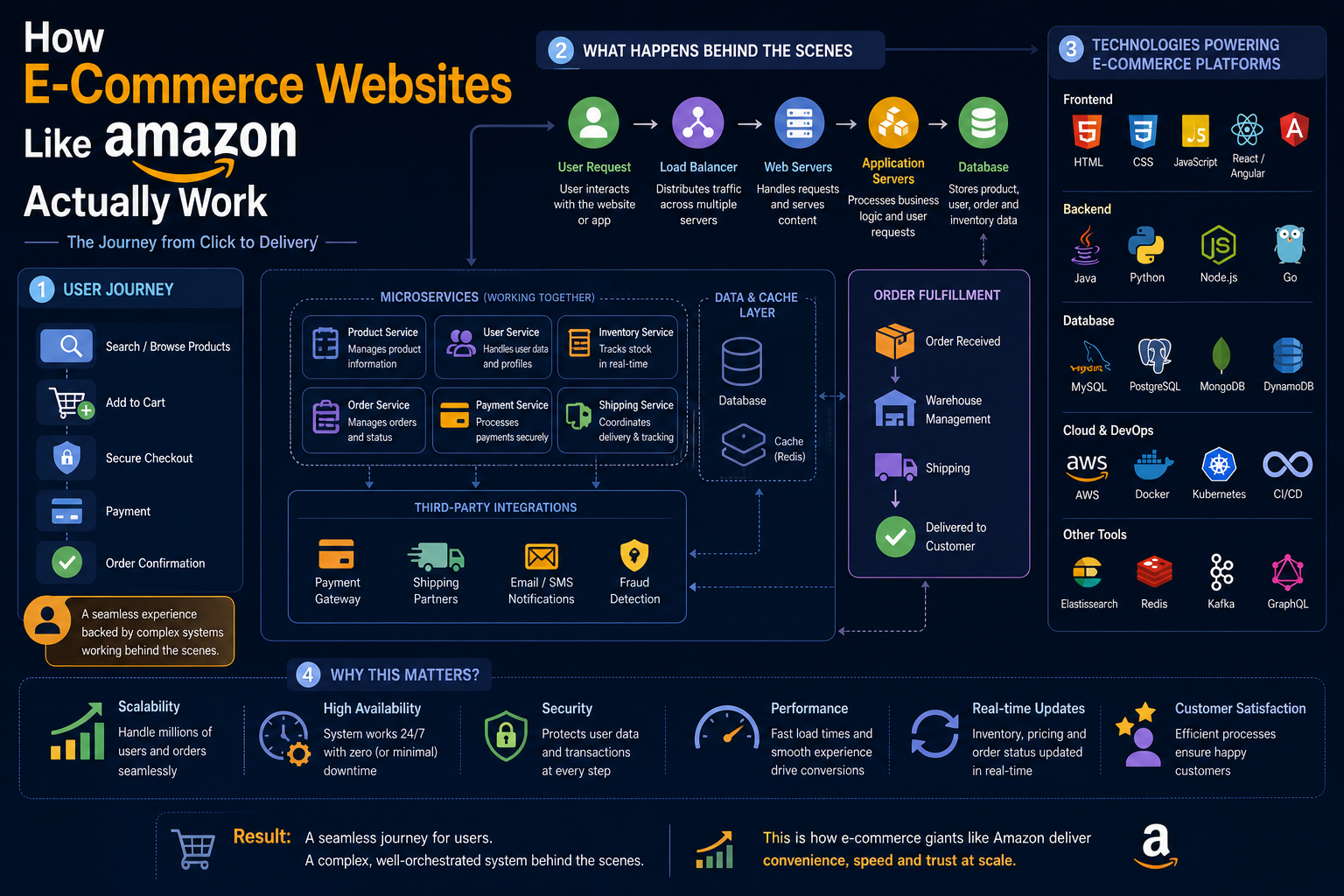
Amazon
Amazon uses DevOps automation for:
- CI/CD pipelines
- Cloud scalability
- Large-scale deployments
Startups
Startups use DevOps to:
- Launch products quickly
- Reduce downtime
- Scale applications efficiently
DevOps helps startups compete faster in the software industry.
Benefits of DevOps in Software Companies
DevOps provides multiple advantages.
Faster Software Delivery
Automation improves release speed.
Better Collaboration
Development and operations teams work together efficiently.
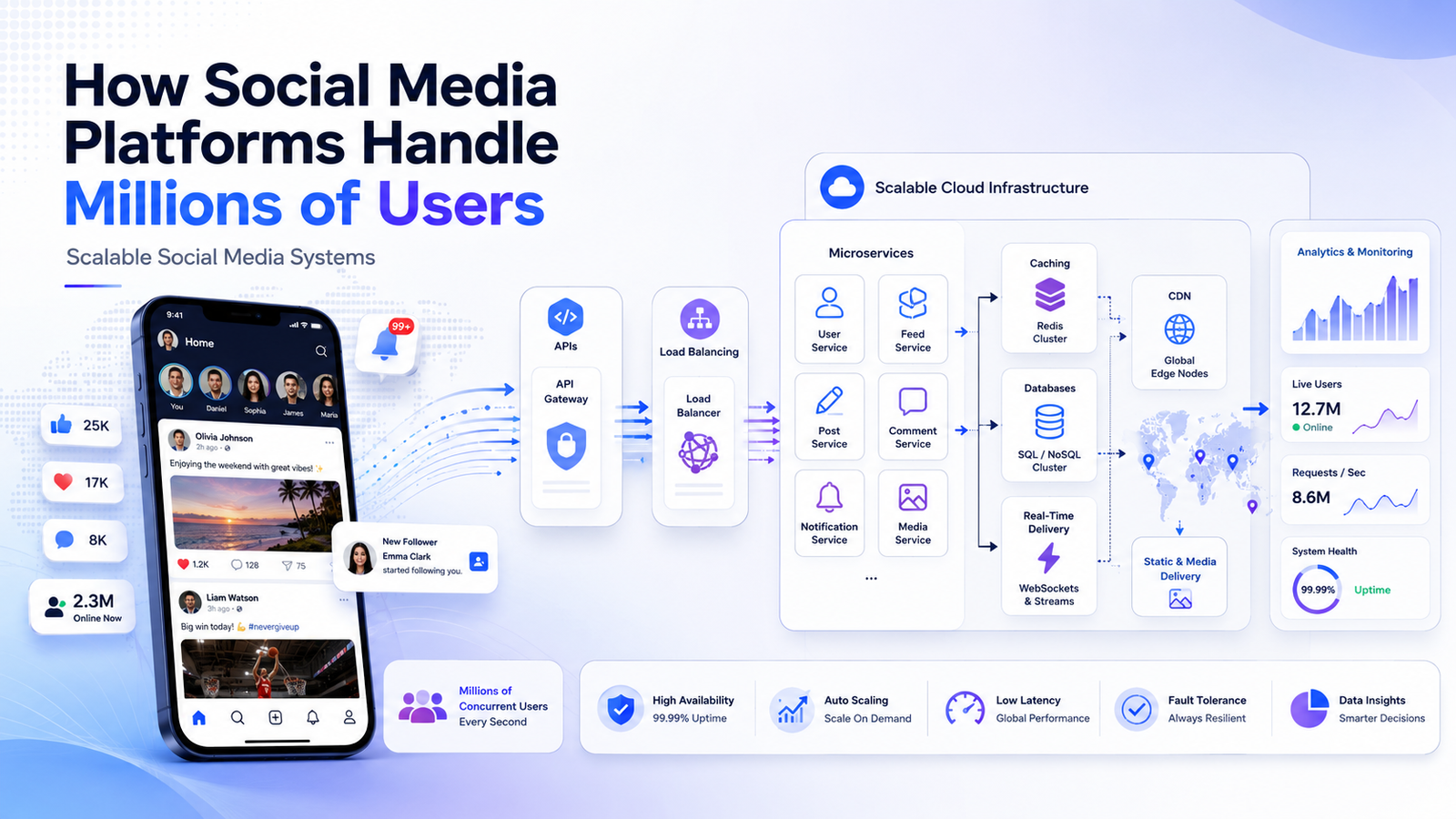
Improved Scalability
Cloud-native DevOps systems handle growth effectively.
Better Monitoring
Monitoring tools help identify issues quickly.
Reduced Downtime
Automation and monitoring improve system reliability.
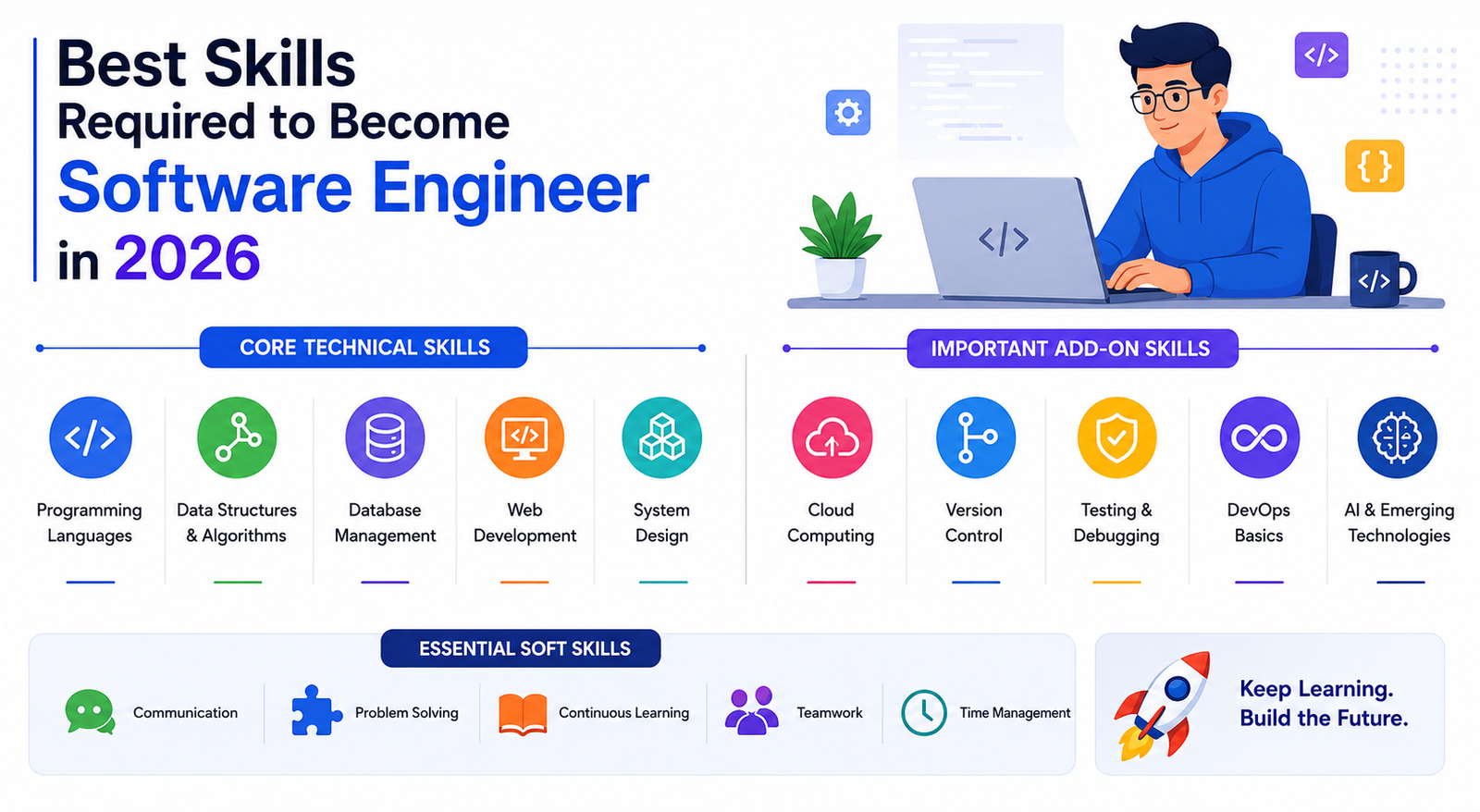
Skills Students Should Learn for DevOps
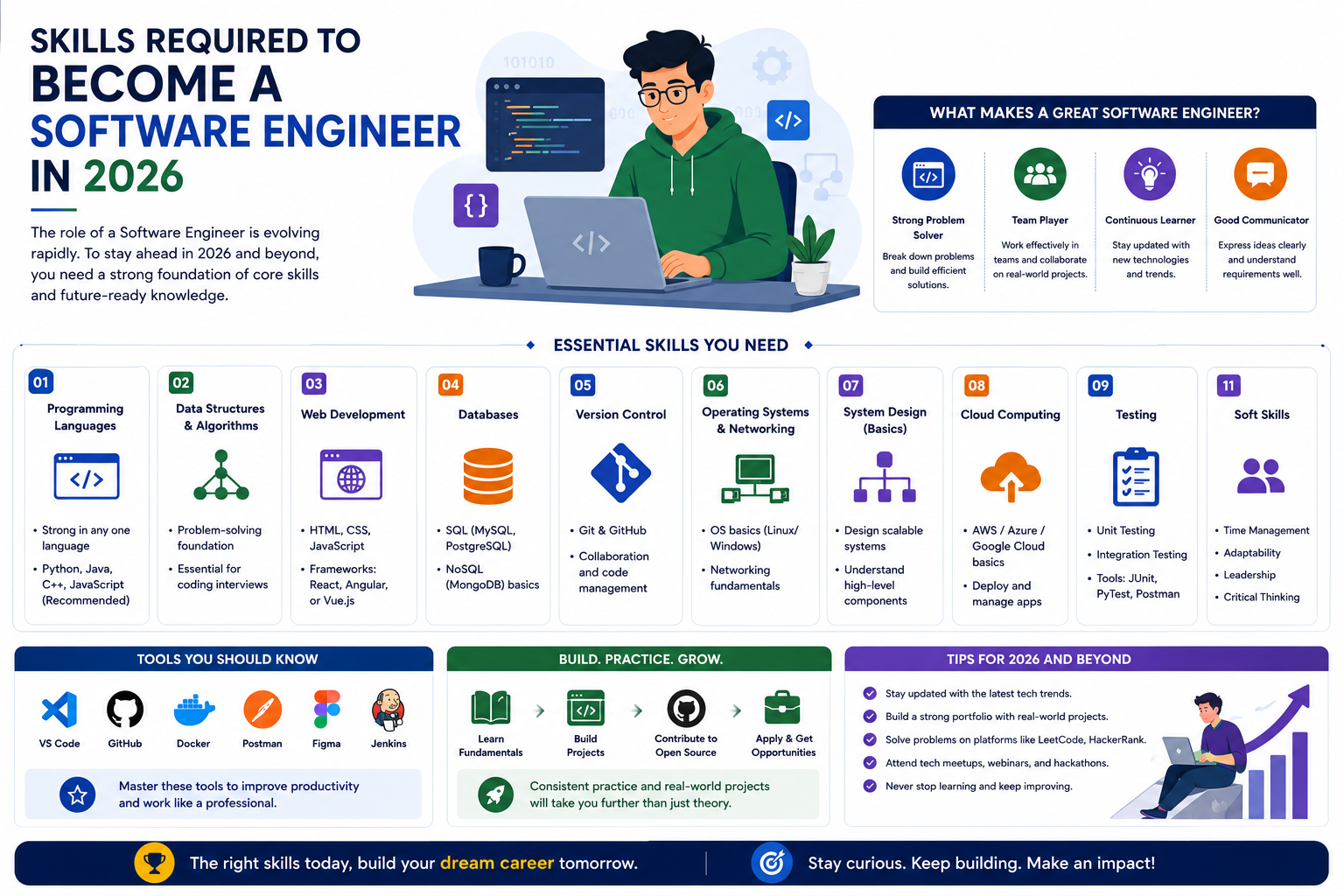
Students learning DevOps in software companies should focus on:
- Linux
- Cloud computing
- Docker
- Kubernetes
- CI/CD pipelines
- Git & GitHub
- APIs
- Monitoring systems
Practical DevOps projects improve industry readiness.
Career Opportunities in DevOps
DevOps creates multiple high-growth career opportunities.
Students can become:
- DevOps Engineer
- Cloud Engineer
- Site Reliability Engineer
- Automation Engineer
- Backend Developer
- Platform Engineer
DevOps professionals are highly demanded worldwide.
Future of DevOps in 2026
The future of DevOps focuses heavily on:
- AI-powered automation
- Cloud-native systems
- Infrastructure as Code
- Kubernetes orchestration
- Security automation
DevOps continues evolving rapidly in modern software engineering.
Final Thoughts
DevOps in software companies is transforming how applications are developed, deployed, monitored, and scaled.
Modern software organizations rely heavily on DevOps workflows, cloud computing, CI/CD pipelines, automation, and monitoring systems.
Students learning DevOps, cloud computing, APIs, and scalable systems can prepare for strong software engineering careers in 2026.
Practical projects and automation experience are essential for becoming industry-ready DevOps professionals.
Learn DevOps with Practical Training
🚀 Groot Academy – IT Training Institute
Build your career with practical training in coding, AI, and modern technologies. Learn through real projects and industry-focused guidance.
📺 YouTube: https://www.youtube.com/@YourGrootAcademy
📘 Facebook: http://facebook.com/GrootAcademy
📸 Instagram: https://www.instagram.com/groot.academy/
🐦 X (Twitter): https://x.com/GrootAcademy
💼 LinkedIn: https://www.linkedin.com/company/grootacademy
📌 Pinterest: https://in.pinterest.com/mygrootacademy/
#DevOpsInSoftwareCompanies #DevOps #CloudComputing #SoftwareDevelopment #Automation #CareerGrowth