


Understanding the Skills, Mindset, and Engineering Principles Behind Successful Software Products
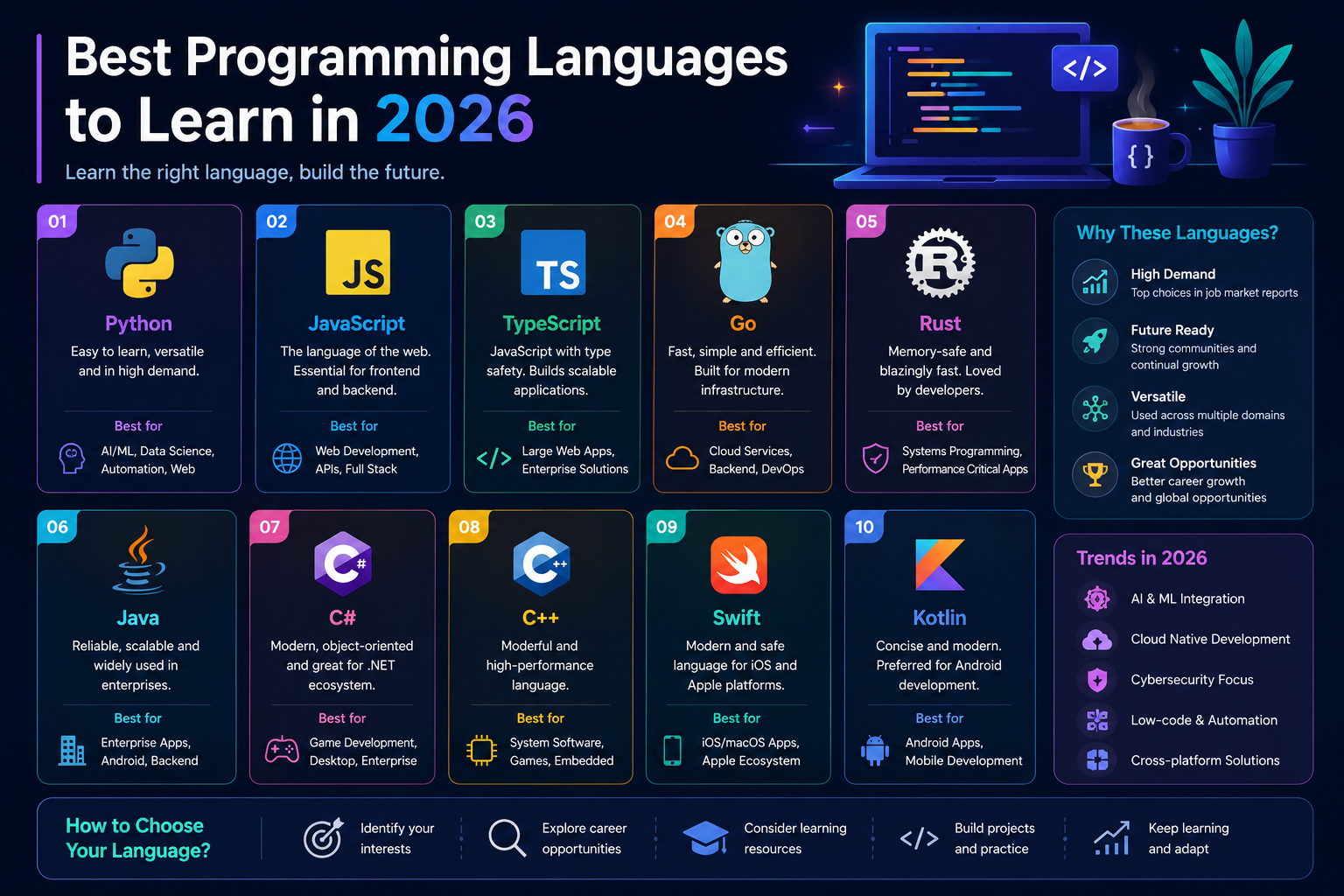
When most people hear the term Software Engineering, they immediately think about coding. They imagine developers sitting in front of computers writing Java, Python, JavaScript, C++, or other programming languages.
While coding is an important part of software engineering, it represents only a small portion of what software engineers actually do.
In reality, software engineering is a combination of problem solving, system design, architecture, communication, collaboration, testing, deployment, maintenance, and continuous improvement.
This is why many students who learn programming languages still struggle when they enter the software industry. They understand coding but often lack the broader engineering perspective required to build reliable software products.
Understanding that software engineering is more than writing code helps students develop industry-ready skills and prepare for long-term career growth.
What is Software Engineering?
Software Engineering is the systematic process of designing, developing, testing, deploying, maintaining, and improving software systems.
It combines:
- Computer Science
- Engineering Principles
- Project Management
- Problem Solving
- Quality Assurance
The goal is not simply to write code but to build software that is:
- Reliable
- Scalable
- Secure
- Maintainable
- Useful
Software engineering focuses on the entire software lifecycle.
Coding vs Software Engineering
Coding
Coding focuses on:
- Writing Instructions
- Implementing Features
- Creating Functions
Software Engineering
Software Engineering includes:
- Requirements Analysis
- System Design
- Architecture
- Development
- Testing
- Deployment
- Monitoring
- Maintenance
Coding is one component of software engineering, not the entire discipline.
Understanding Problems Before Writing Code
One of the most important responsibilities of a software engineer is understanding the problem.
Before development begins, engineers ask:
- What problem are we solving?
- Who are the users?
- What are the business goals?
- What constraints exist?
Writing code without understanding the problem often leads to poor solutions.
Professional engineers spend significant time analyzing requirements before implementation.
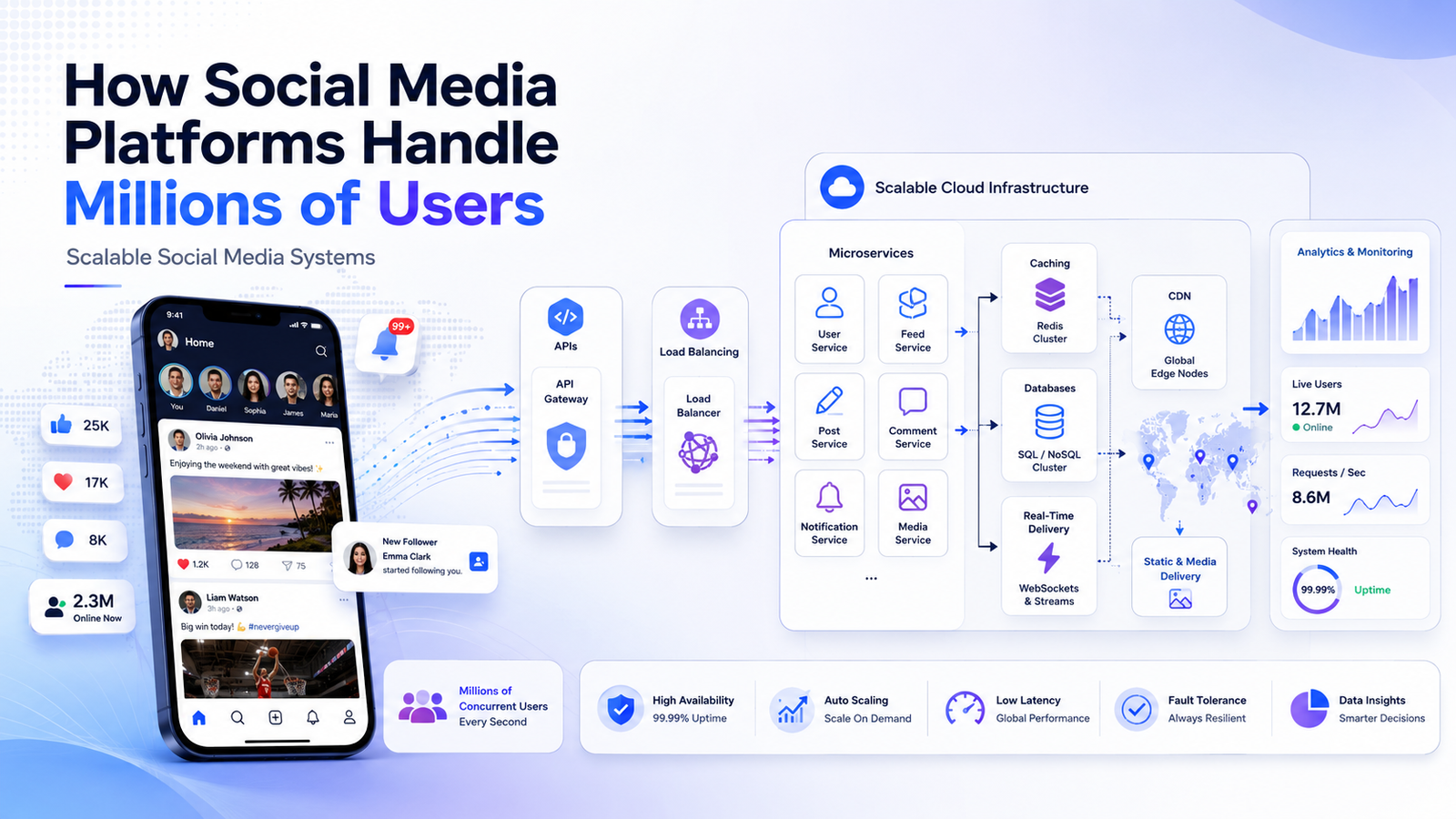
Software Engineering is About Building Systems
Many students focus on individual programs.
Professional engineers build systems.
Examples:
- E-Commerce Platforms
- Banking Systems
- Learning Management Systems
- Healthcare Applications
- Cloud Platforms
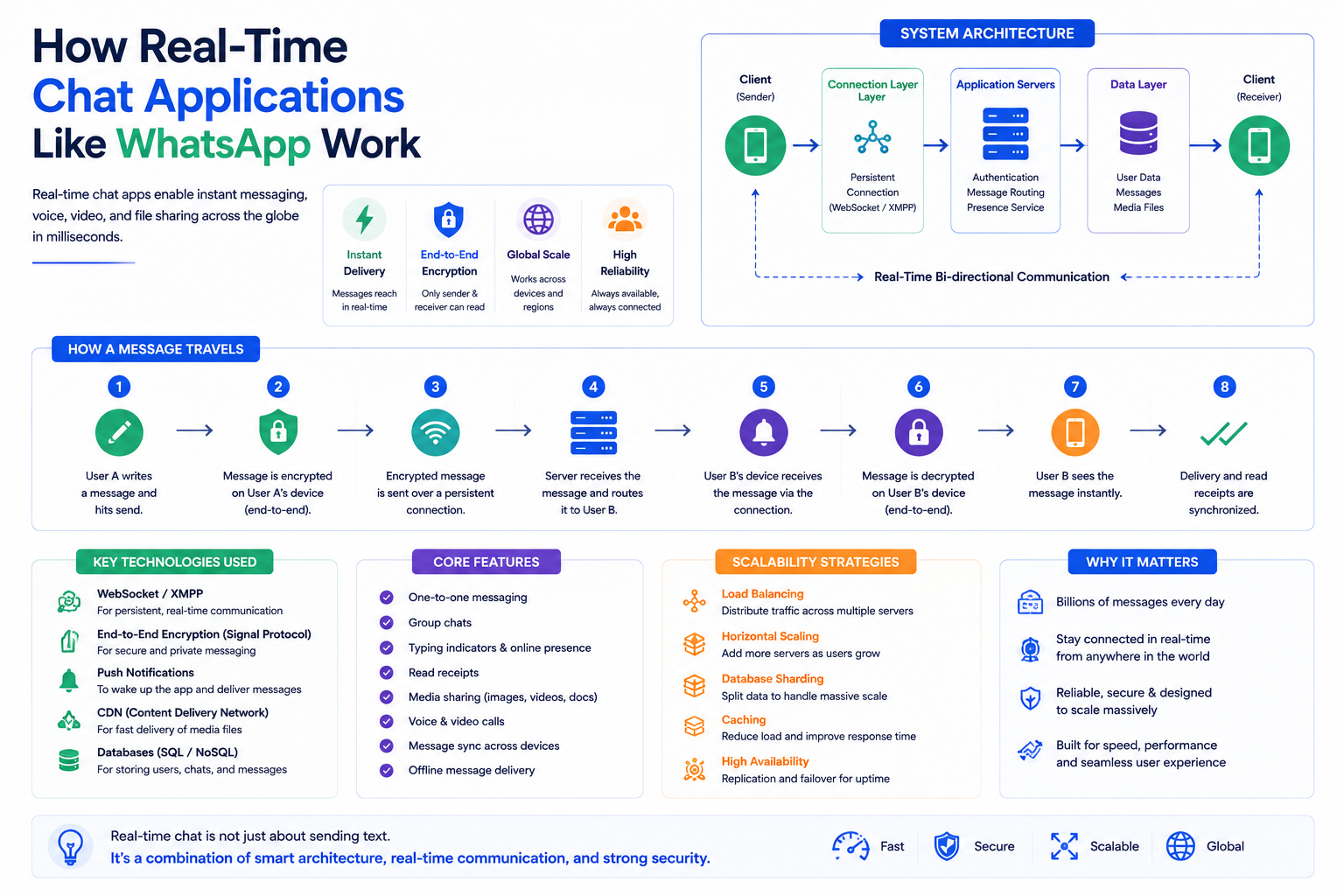
These systems contain:
- Frontend Applications
- Backend Services
- Databases
- APIs
- Infrastructure
Engineers must understand how all components work together.
The Importance of Software Architecture
Architecture defines how software systems are structured.
Architectural decisions influence:
- Performance
- Scalability
- Security
- Reliability
Good architecture helps systems grow efficiently.
Poor architecture creates technical debt and future challenges.
This is why senior engineers spend considerable time designing systems before development begins.
System Design Matters
Software engineers must think beyond individual features.
They consider:
- User Traffic
- Data Storage
- Security Requirements
- Performance Expectations
- Future Growth
System design ensures software remains effective as usage increases.
Software Engineering Requires Problem Solving
Professional developers solve problems daily.
Examples include:
- Performance Issues
- Security Challenges
- Scalability Concerns
- Integration Problems
- User Experience Improvements
The ability to solve problems often matters more than knowledge of a specific programming language.
Communication is a Critical Engineering Skill
Software engineers rarely work alone.
They communicate with:
- Product Managers
- Designers
- Clients
- QA Teams
- DevOps Engineers
Strong communication helps teams:
- Clarify Requirements
- Resolve Issues
- Deliver Better Products
Technical skills alone are not enough.
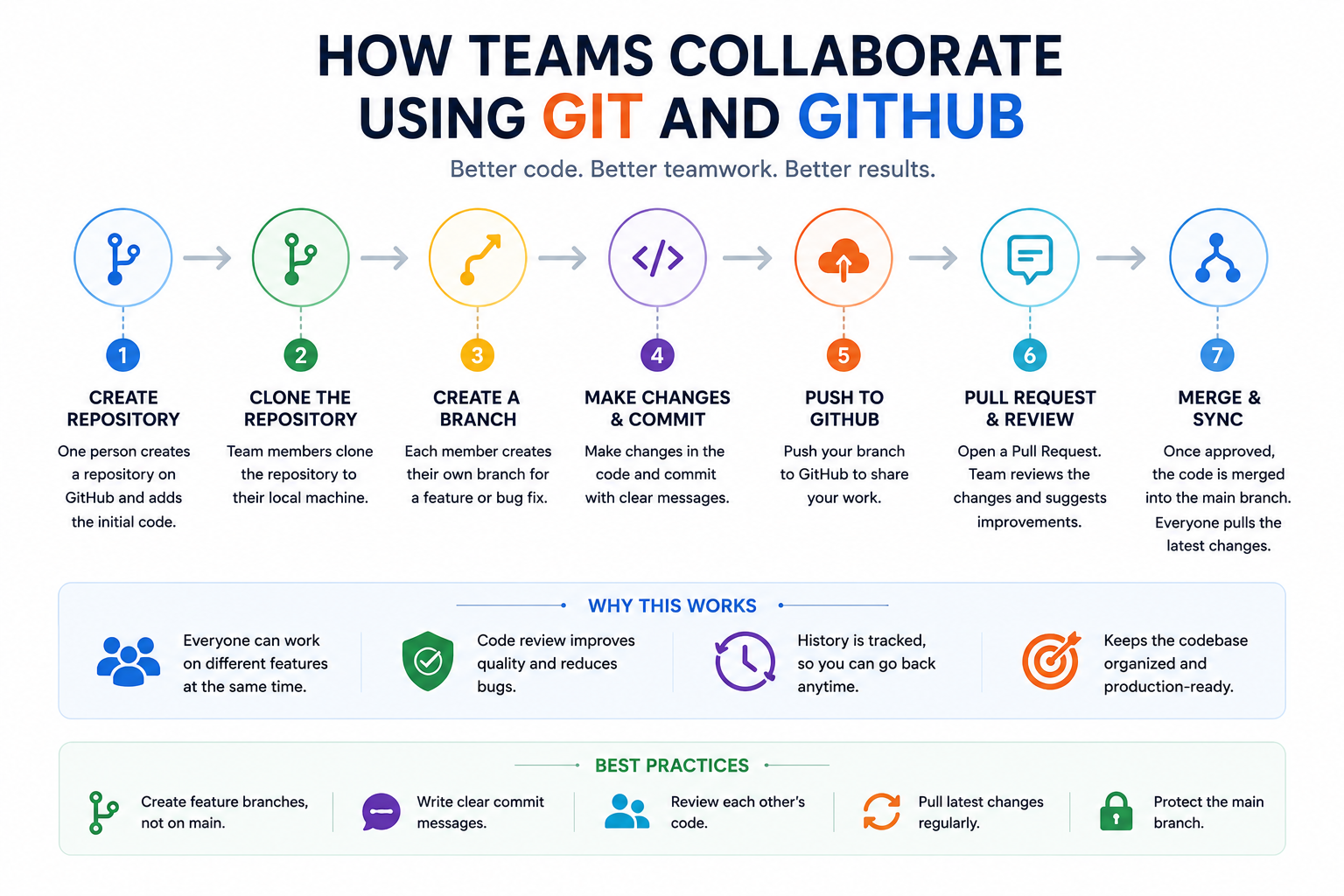
Teamwork in Software Development
Large software products require collaboration.
Teams often include:
- Frontend Developers
- Backend Developers
- QA Engineers
- DevOps Engineers
- Product Owners
Successful software engineering depends on teamwork and coordination.
Understanding Business Requirements
Software exists to solve business problems.
Engineers must understand:
- Customer Needs
- Business Objectives
- Revenue Goals
- Operational Challenges
Technical decisions should support business outcomes.
Developers who understand business requirements often create more valuable solutions.
Quality Assurance and Testing
Writing code is only the beginning.
Software must be tested thoroughly.
Testing includes:
Unit Testing
Testing individual functions.
Integration Testing
Testing interactions between components.
System Testing
Testing the complete application.
User Acceptance Testing
Validating business requirements.
Testing improves reliability and reduces defects.
Debugging and Troubleshooting
Every software application eventually experiences issues.
Software engineers spend significant time:
- Identifying Bugs
- Analyzing Logs
- Investigating Failures
- Fixing Production Problems
Debugging is a critical engineering skill.
Many experienced engineers spend more time troubleshooting than writing new code.
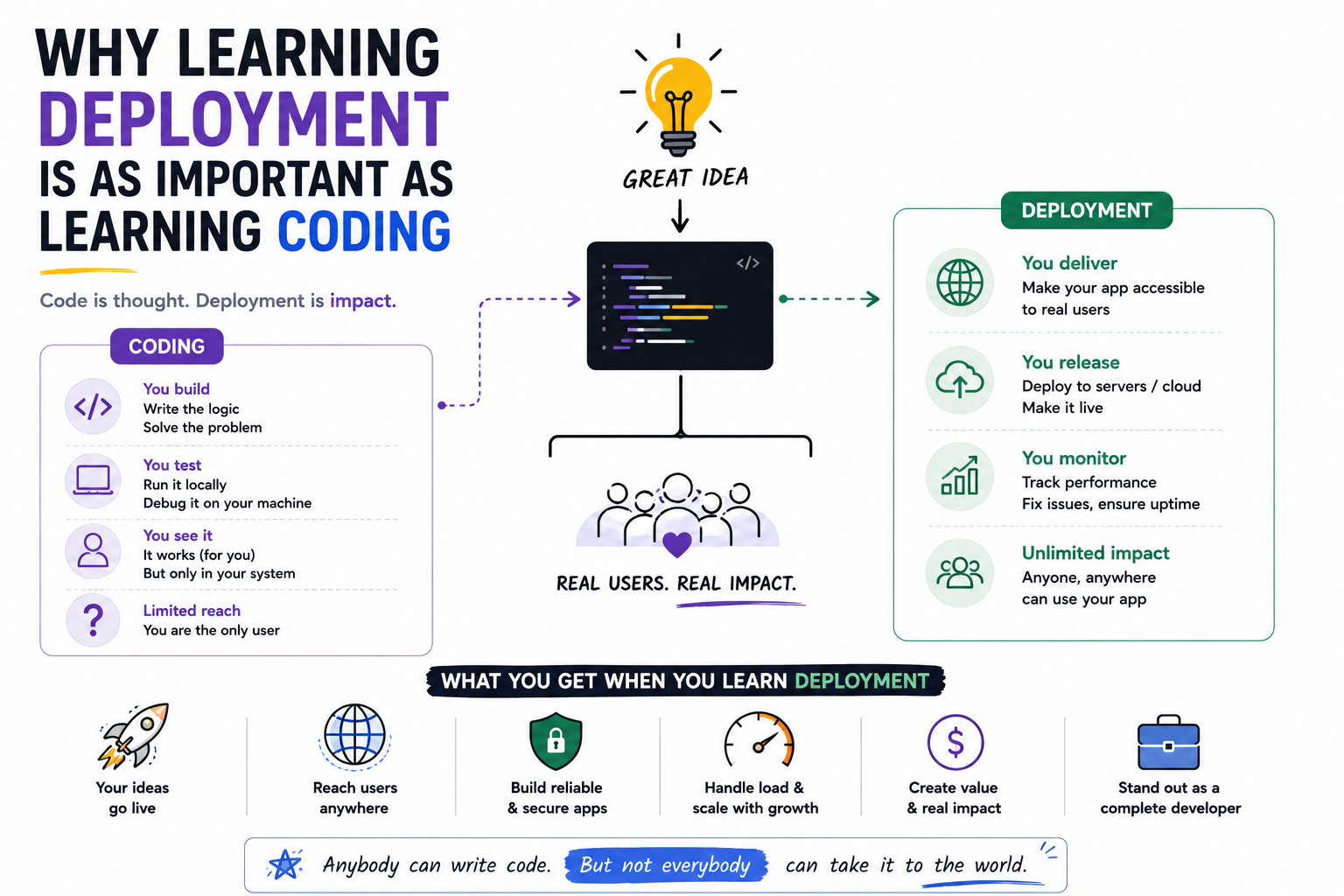
Deployment and DevOps
A project that runs only on a developer’s laptop has limited value.
Software engineers must understand:
- Hosting
- Cloud Platforms
- CI/CD Pipelines
- Infrastructure
Deployment ensures users can access software.
DevOps practices help teams deliver updates efficiently.
Security is an Engineering Responsibility
Modern applications handle:
- Personal Data
- Financial Information
- Business Records
Engineers must consider:
- Authentication
- Authorization
- Encryption
- Data Protection
Security cannot be added later—it must be built into the system from the beginning.
Scalability and Performance
Applications must perform well as usage grows.
Software engineers design systems that can handle:
- Increased Traffic
- Larger Databases
- Higher Workloads
Scalability becomes increasingly important in successful products.
Software Maintenance
Software development does not end after deployment.
Applications require:
- Bug Fixes
- Feature Updates
- Security Improvements
- Performance Enhancements
Maintenance often represents a significant portion of a software engineer’s work.
Learning New Technologies
Technology evolves continuously.
Engineers must adapt to:
- New Frameworks
- New Tools
- New Platforms
- AI Technologies
The ability to learn is one of the most valuable engineering skills.
Software Engineering and AI
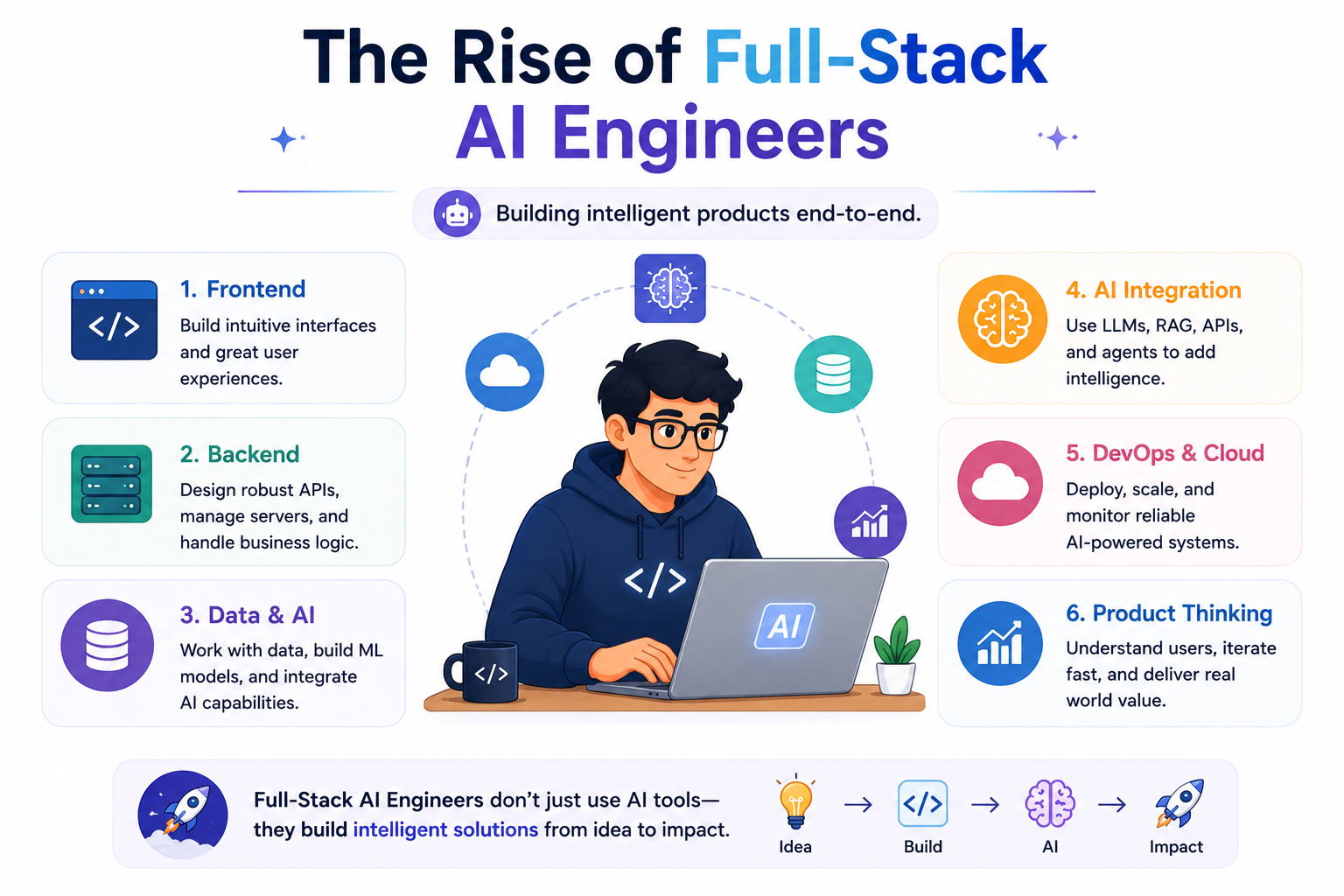
Artificial Intelligence can generate code, but software engineering involves much more than coding.
AI cannot fully replace:
- Problem Solving
- System Design
- Architecture Decisions
- Business Understanding
- Team Collaboration
Engineers who understand these areas remain highly valuable.
What Recruiters Look For
Companies seek candidates who can:
✅ Solve Problems
✅ Build Systems
✅ Communicate Effectively
✅ Work in Teams
✅ Learn Quickly
✅ Understand Software Architecture
Recruiters evaluate more than programming knowledge.
Skills Every Software Engineer Should Develop
Technical Skills
- Programming
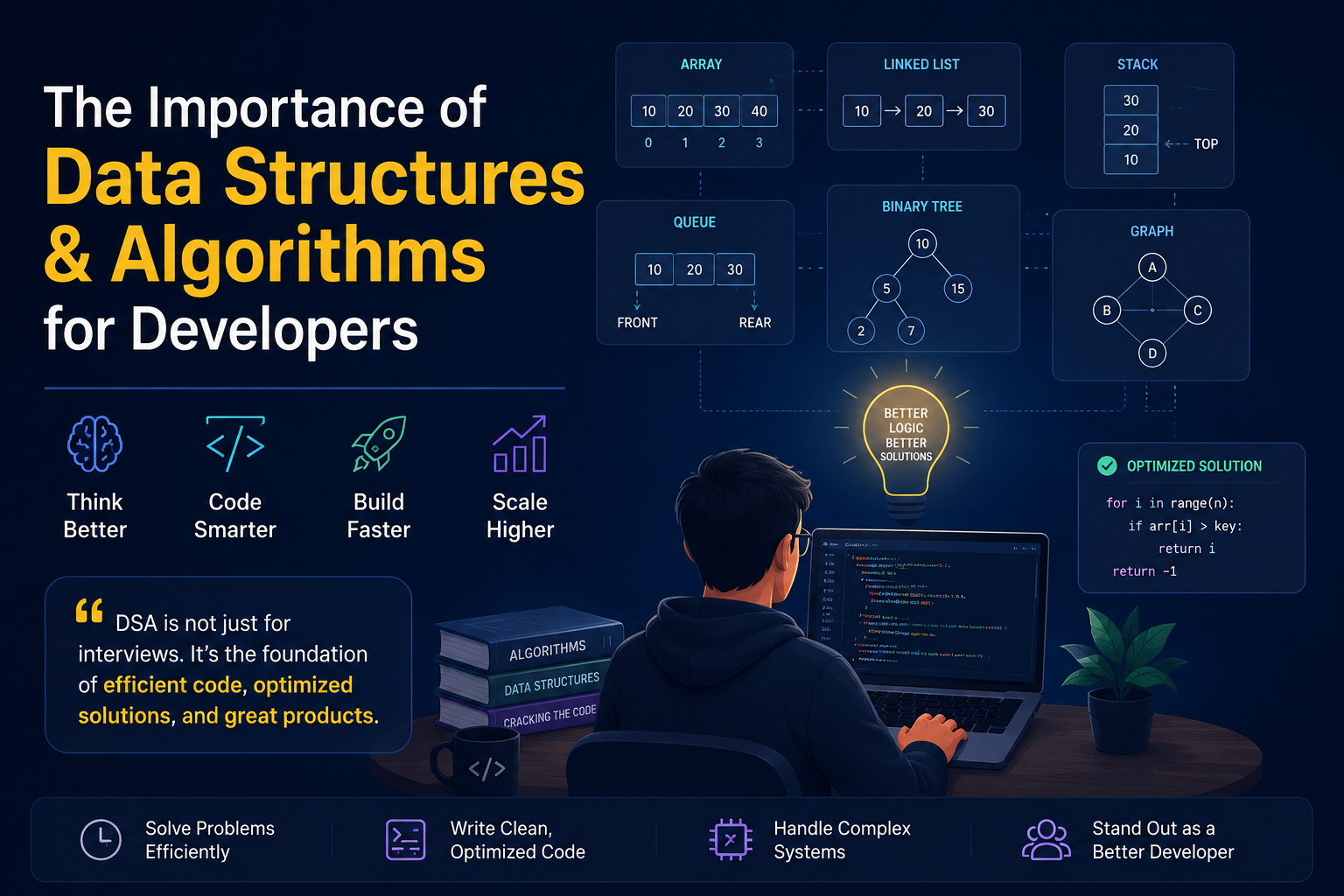
- Data Structures & Algorithms
- Databases
- APIs
- Cloud Computing
Engineering Skills
- System Design
- Architecture
- Security
- Testing
Professional Skills
- Communication
- Collaboration
- Leadership
- Time Management
These skills create well-rounded engineers.
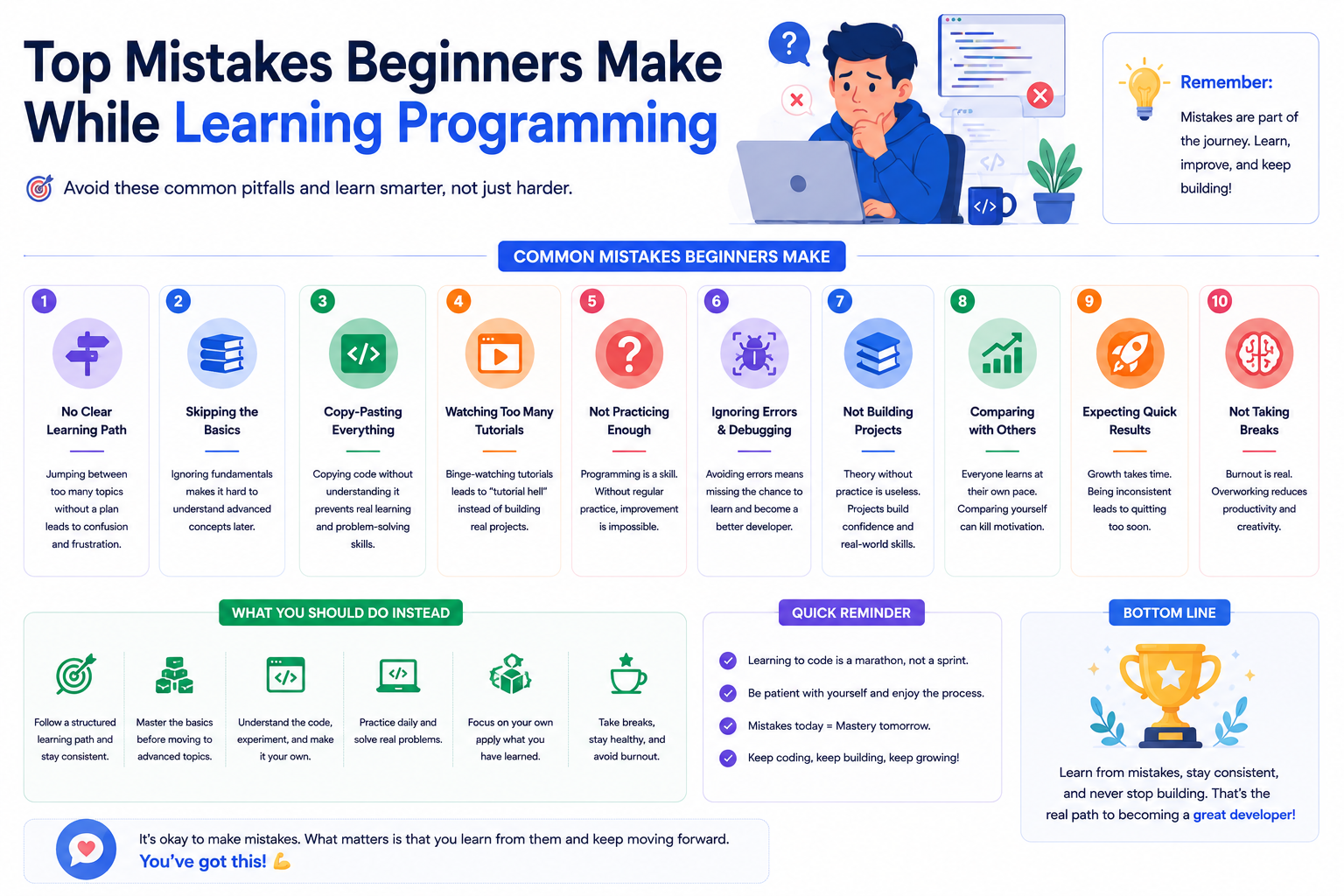
Common Student Mistakes
Focusing Only on Programming Languages
Engineering requires broader knowledge.
Ignoring System Design
Architecture becomes important as projects grow.
Avoiding Deployment
Software should reach real users.
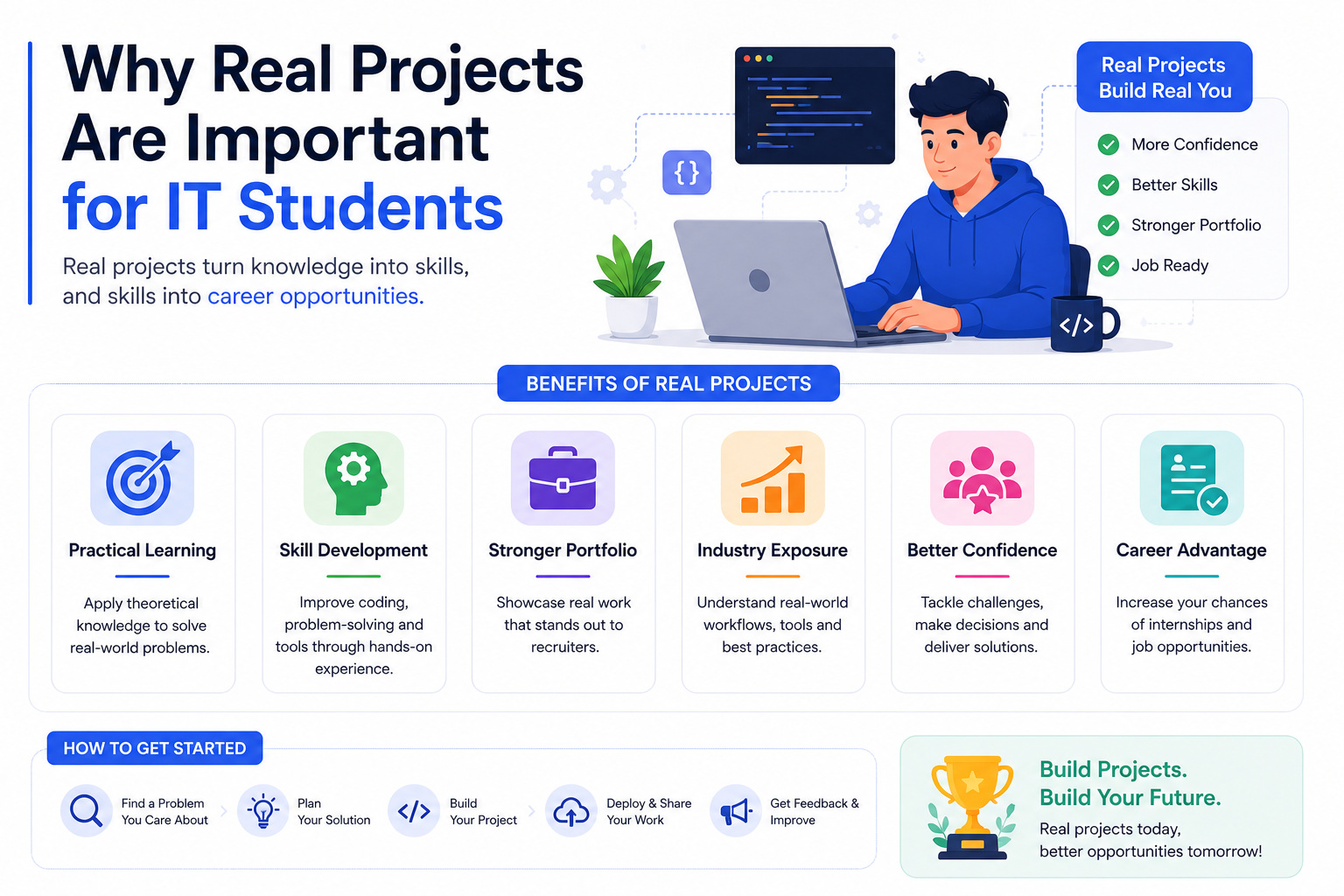
Building Only Tutorial Projects
Real projects develop deeper understanding.
Ignoring Soft Skills
Communication is essential.
Future of Software Engineering
As AI automates repetitive coding tasks, the most valuable engineers will be those who can:
- Design Systems
- Solve Complex Problems
- Understand Users
- Lead Projects
- Make Engineering Decisions
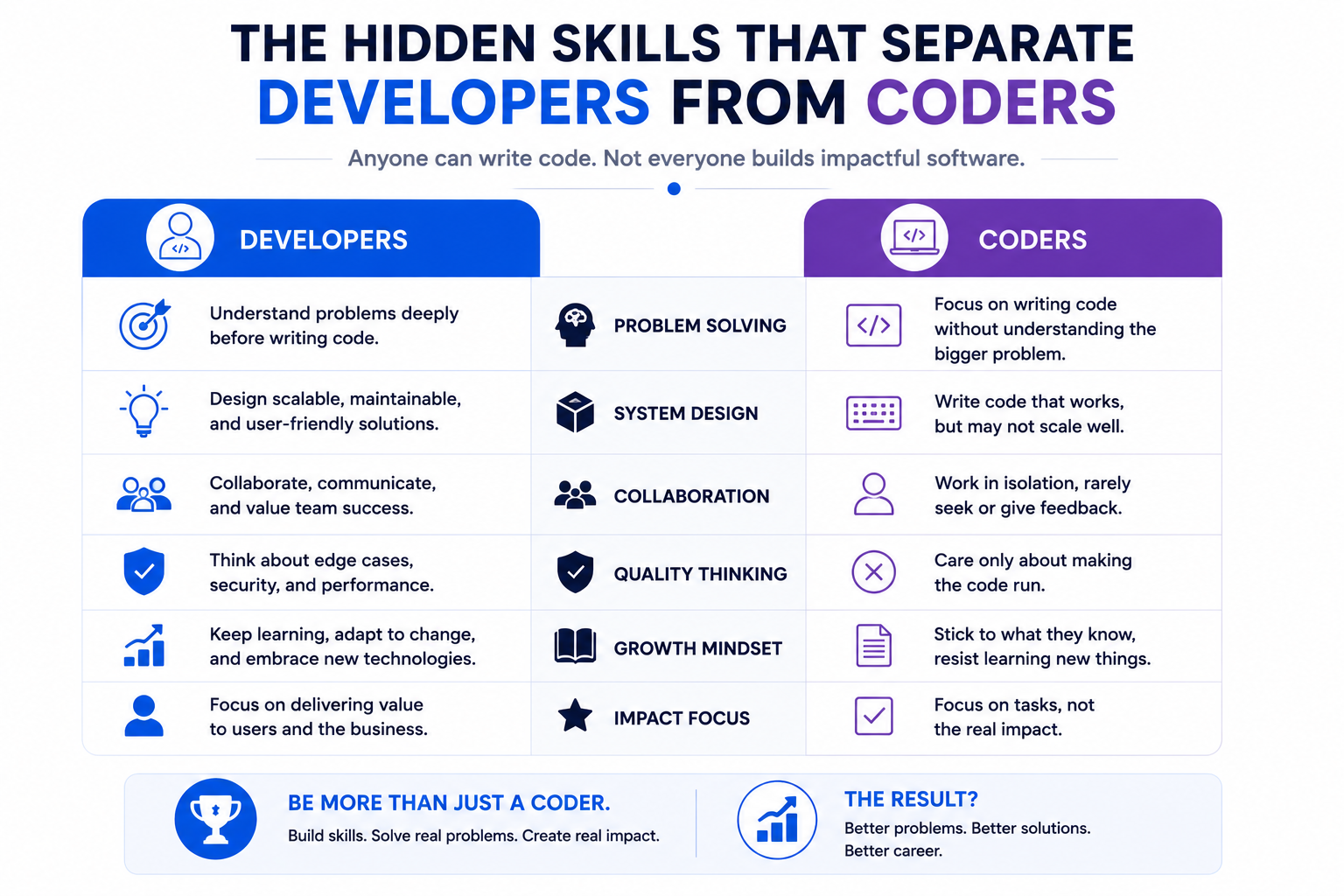
The future belongs to engineers, not just coders.
Frequently Asked Questions
Is coding enough to become a software engineer?
No. Software engineering requires problem solving, architecture, testing, deployment, and collaboration.
Why is system design important?
It helps build scalable and reliable software.
Do software engineers need communication skills?
Yes. Collaboration is a major part of professional development.
Can AI replace software engineers?
AI can assist coding but cannot fully replace engineering judgment and system thinking.
Conclusion
Software engineering is far more than writing code. It involves understanding problems, designing systems, building scalable architectures, collaborating with teams, ensuring quality, managing deployments, maintaining software, and continuously improving products.
Students who focus only on coding may limit their growth, while those who embrace the broader engineering mindset position themselves for successful careers as software engineers, architects, technical leaders, and innovators.
The best software engineers are not simply people who write code—they are professionals who use technology to solve meaningful problems and create value for users and businesses.
🌐 Website: https://grootacademy.com
📺 YouTube: https://www.youtube.com/@YourGrootAcademy
📘 Facebook: http://facebook.com/GrootAcademy
📸 Instagram: https://www.instagram.com/groot.academy/
🐦 X: https://x.com/GrootAcademy
💼 LinkedIn: https://www.linkedin.com/company/grootacademy
📌 Pinterest: https://in.pinterest.com/mygrootacademy/