


The Ultimate Guide for Students Starting Their Software Engineering Journey
One of the biggest questions students face while entering the IT industry is:
“Should I learn Data Structures and Algorithms (DSA) first or start with Development?”
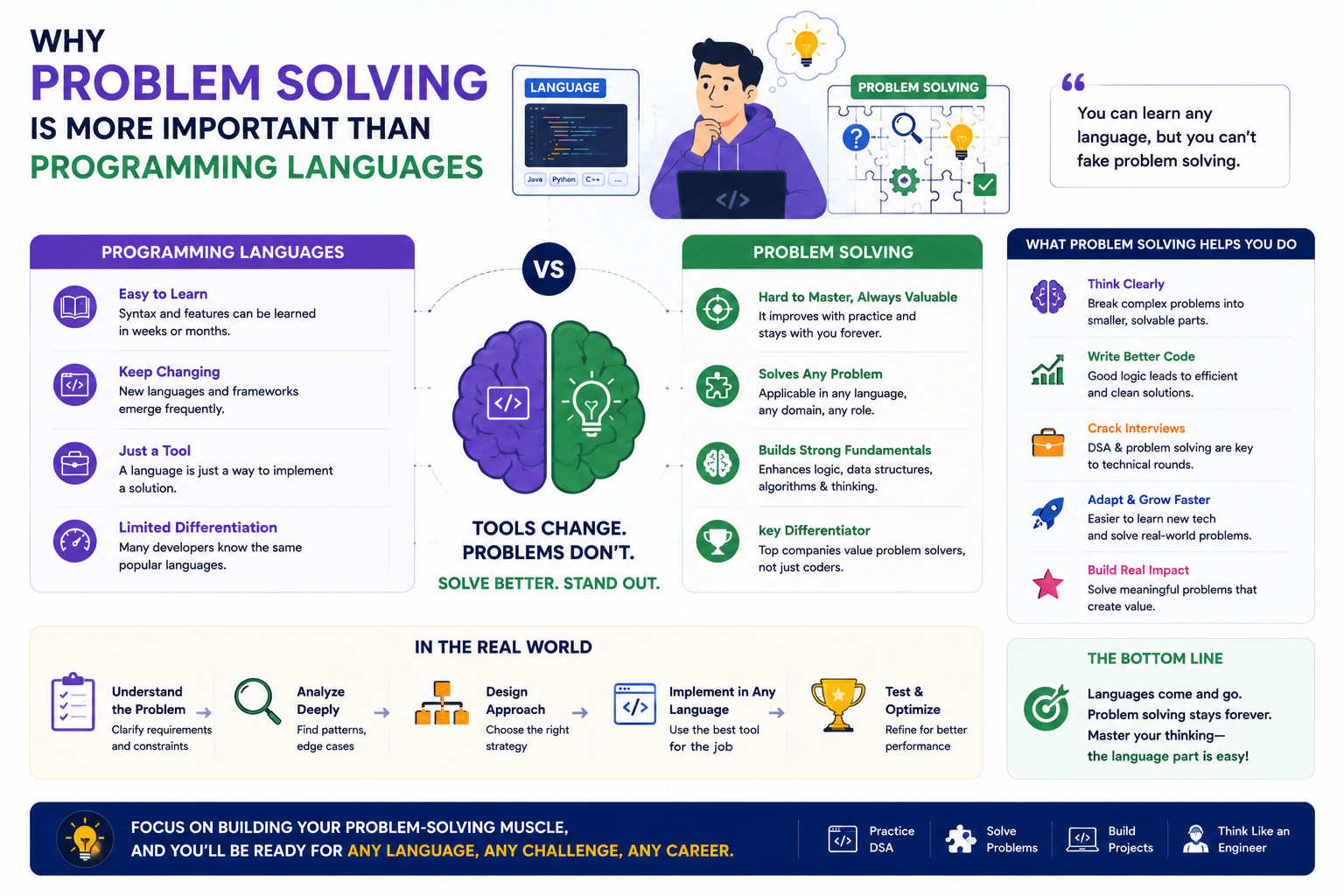
The debate between DSA and Development has existed for years. Some students spend months solving coding problems without building projects, while others focus only on websites, apps, and frameworks without understanding software engineering fundamentals.
The truth is that both DSA and Development are important. However, the order and balance between them can significantly impact your learning journey and career growth.
This guide will help students understand the role of DSA and Development, their advantages, career impact, and the best roadmap to follow in 2026.
What is DSA?
DSA stands for Data Structures and Algorithms.
It focuses on:
- Problem Solving
- Logical Thinking
- Coding Efficiency
- Optimization
- Software Engineering Fundamentals
Popular DSA Topics:
- Arrays
- Linked Lists
- Stacks
- Queues
- Trees
- Graphs
- Hash Tables
- Dynamic Programming
- Searching Algorithms
- Sorting Algorithms
DSA helps developers write efficient and scalable code.
What is Development?
Development refers to building real software applications.
Examples include:
- Websites
- Mobile Apps
- Enterprise Applications
- AI Solutions
- Cloud Applications
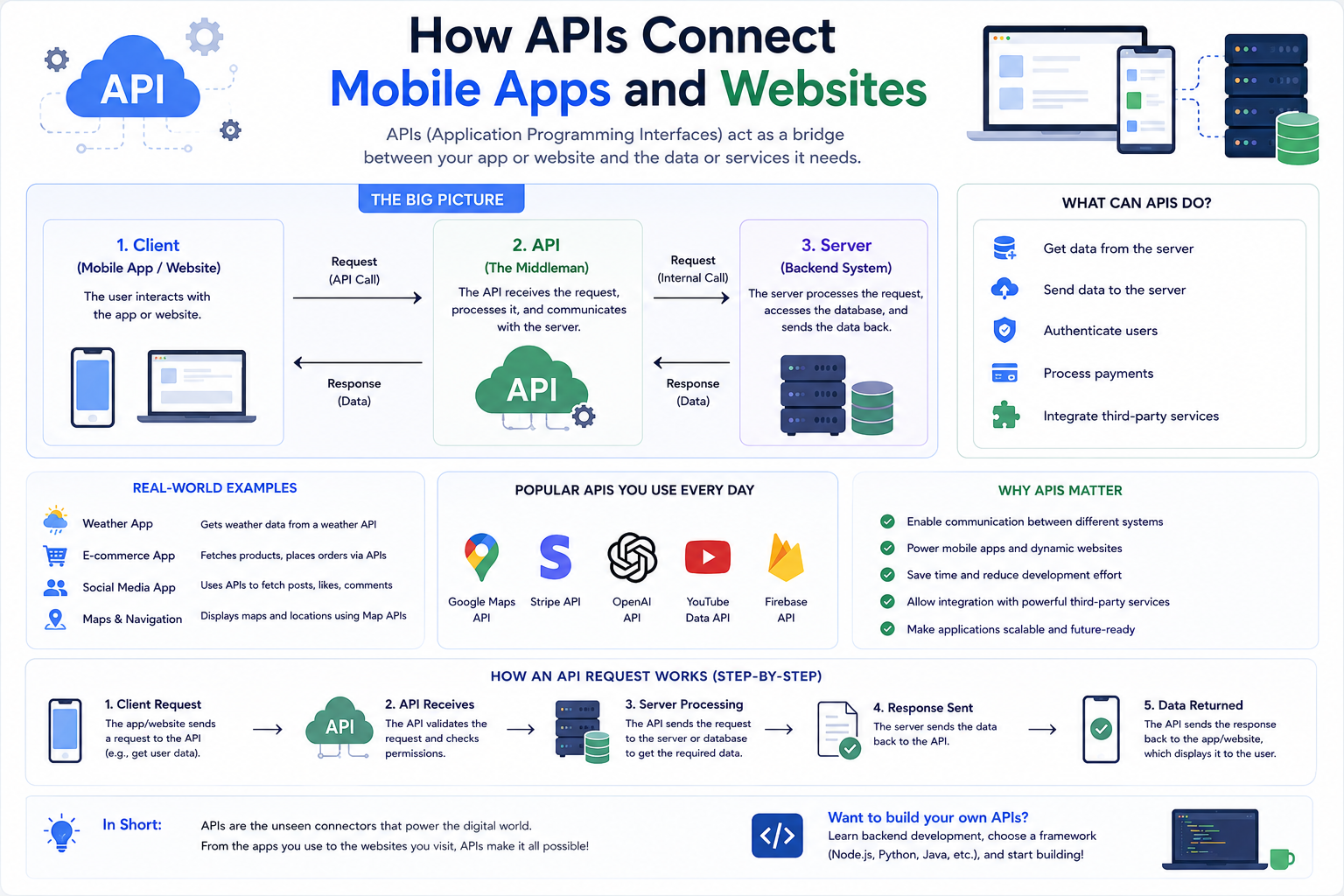
- APIs
- E-Commerce Platforms
Development involves technologies such as:
Frontend
- HTML
- CSS
- JavaScript
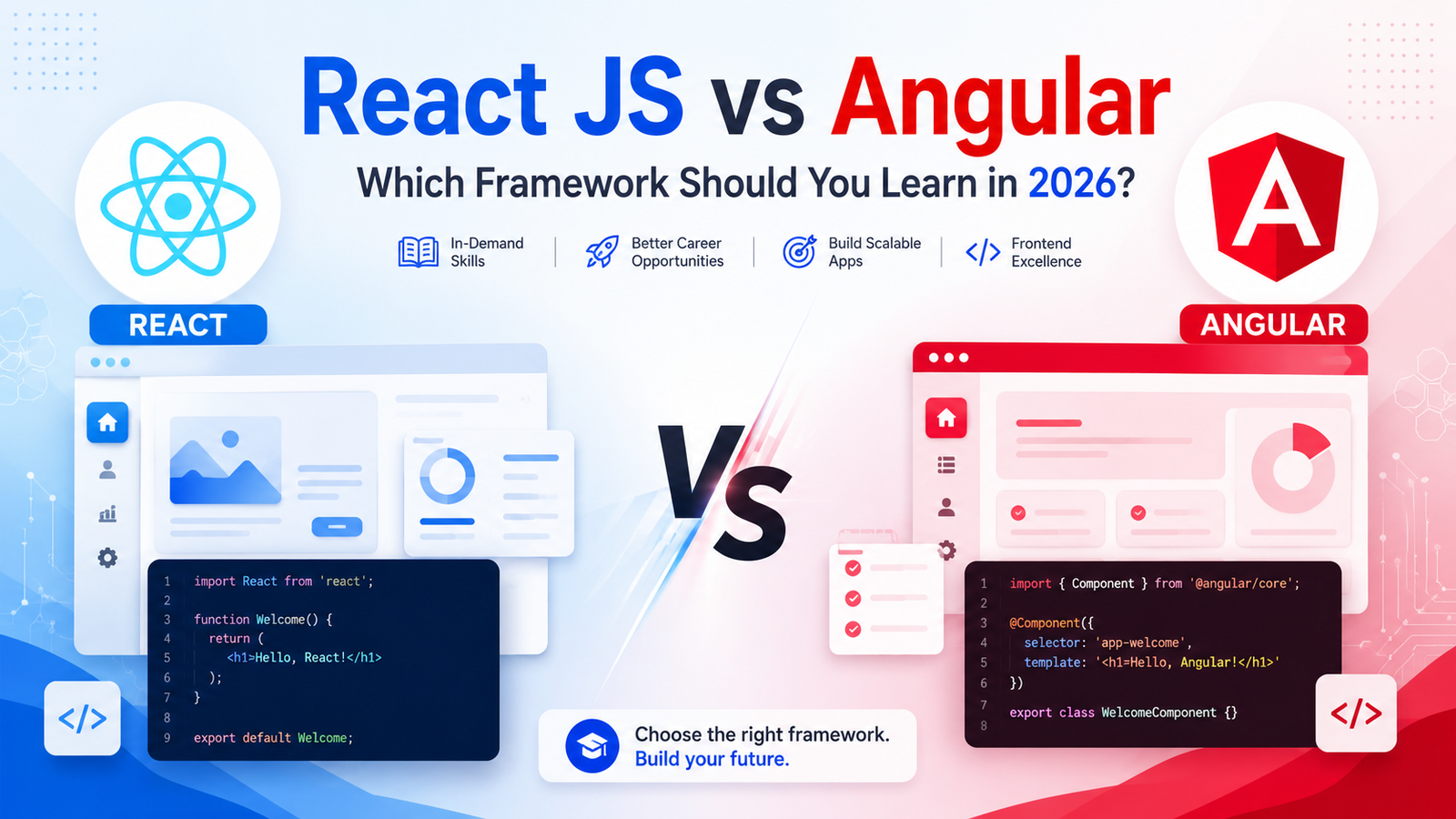
- ReactJS
Backend
- Java
- Spring Boot
- Node.js
- Python Django
Database
- MySQL
- PostgreSQL
- MongoDB
Development teaches students how real-world software systems are built.
Why Students Get Confused
Many students hear:
“Learn DSA to crack interviews.”
Others hear:
“Build projects to get jobs.”
Both statements are correct.
The challenge is understanding how DSA and Development complement each other.
What DSA Teaches You
Problem Solving
DSA improves analytical thinking.
Optimization
Helps write efficient code.
Interview Preparation
Most product-based companies evaluate DSA.
Logical Thinking
Builds strong software engineering foundations.
Scalability Concepts
Important for large systems.
What Development Teaches You
Real-World Software Building
Students learn how applications actually work.
Frameworks and Tools
Experience with industry technologies.
Databases
Understanding data storage and retrieval.
APIs
Learning system communication.
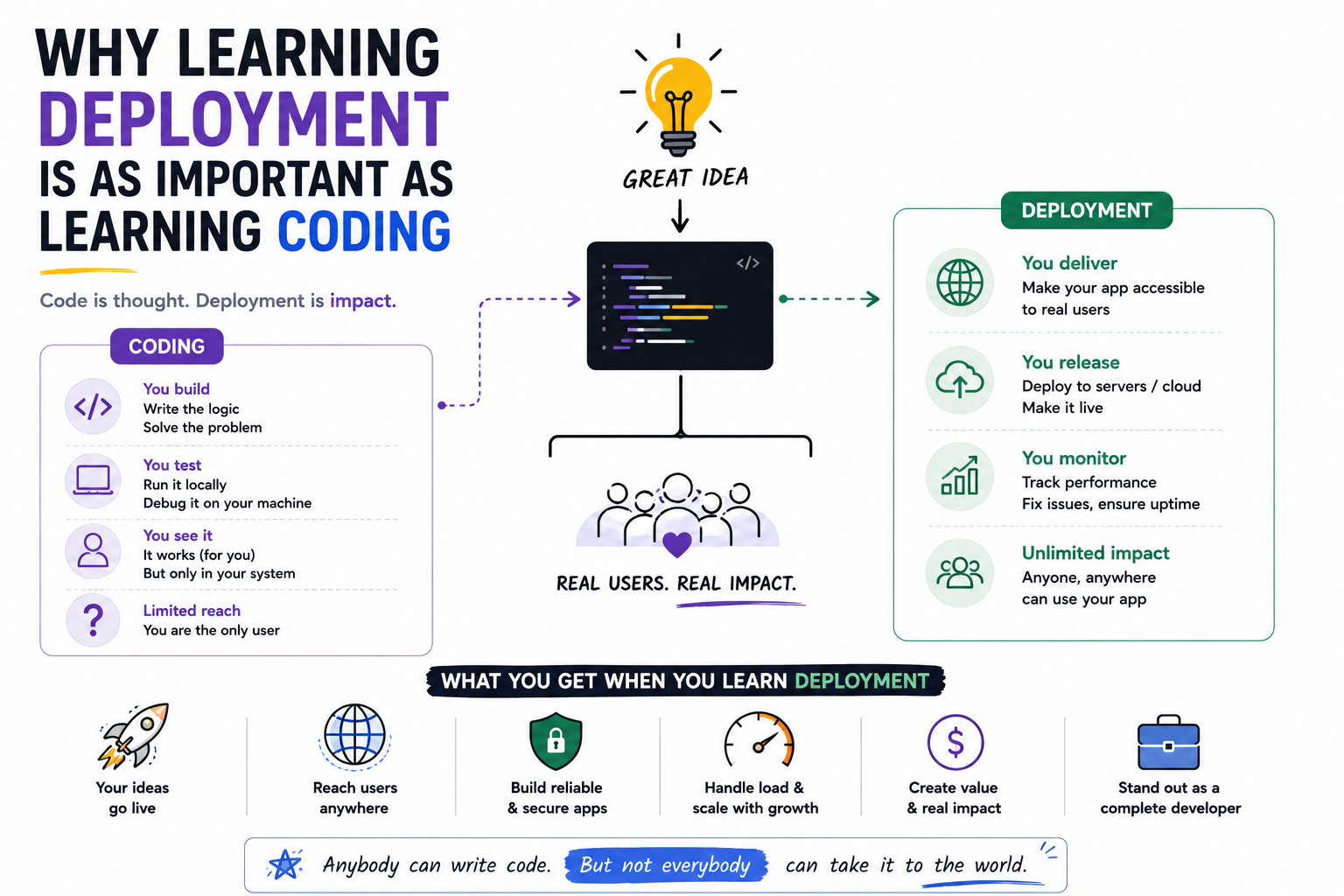
Deployment
Making applications available to users.
Development helps students become industry-ready.
DSA vs Development: Major Differences
| DSA | Development |
|---|---|
| Focuses on Problem Solving | Focuses on Building Applications |
| Important for Coding Interviews | Important for Real Projects |
| Improves Logic | Improves Practical Skills |
| Evaluates Efficiency | Creates User Solutions |
| Common in Product Companies | Common in Service and Product Companies |
Both are valuable but serve different purposes.
What Recruiters Actually Want
Recruiters generally look for:
Strong Problem Solving
Ability to analyze and solve challenges.
Practical Experience
Evidence through projects.
Technical Knowledge
Programming, databases, APIs, tools.
Communication Skills
Team collaboration and discussion abilities.
Students who have both DSA and Development skills often stand out.
Scenario 1: Student Learns Only DSA
Advantages:
- Strong Interview Skills
- Better Problem Solving
Limitations:
- Limited Project Experience
- Weak Portfolio
- Less Industry Exposure
Many students struggle to explain real-world software development.
Scenario 2: Student Learns Only Development
Advantages:
- Strong Portfolio
- Practical Experience
- Real Projects
Limitations:
- Weak Coding Interview Performance
- Limited Optimization Knowledge
These students may struggle during technical assessments.
The Best Approach: Learn Both
The most successful software engineers combine:
- Programming Fundamentals
- DSA
- Development
- Projects
- Internship Experience
This creates a balanced profile.
Recommended Learning Roadmap
Phase 1: Learn Programming Fundamentals
Choose:
- Java
- Python
- C++
Learn:
- Variables
- Loops
- Functions
- OOP Concepts
Phase 2: Start Basic DSA
Learn:
- Arrays
- Strings
- Linked Lists
- Stacks
- Queues
Practice problem solving regularly.
Phase 3: Start Development
Choose a domain:
Web Development
- HTML
- CSS
- JavaScript
Java Development
- Spring Boot
Python Development
- Django
- Flask
Build simple projects.
Phase 4: Continue Advanced DSA
Learn:
- Trees
- Graphs
- Dynamic Programming
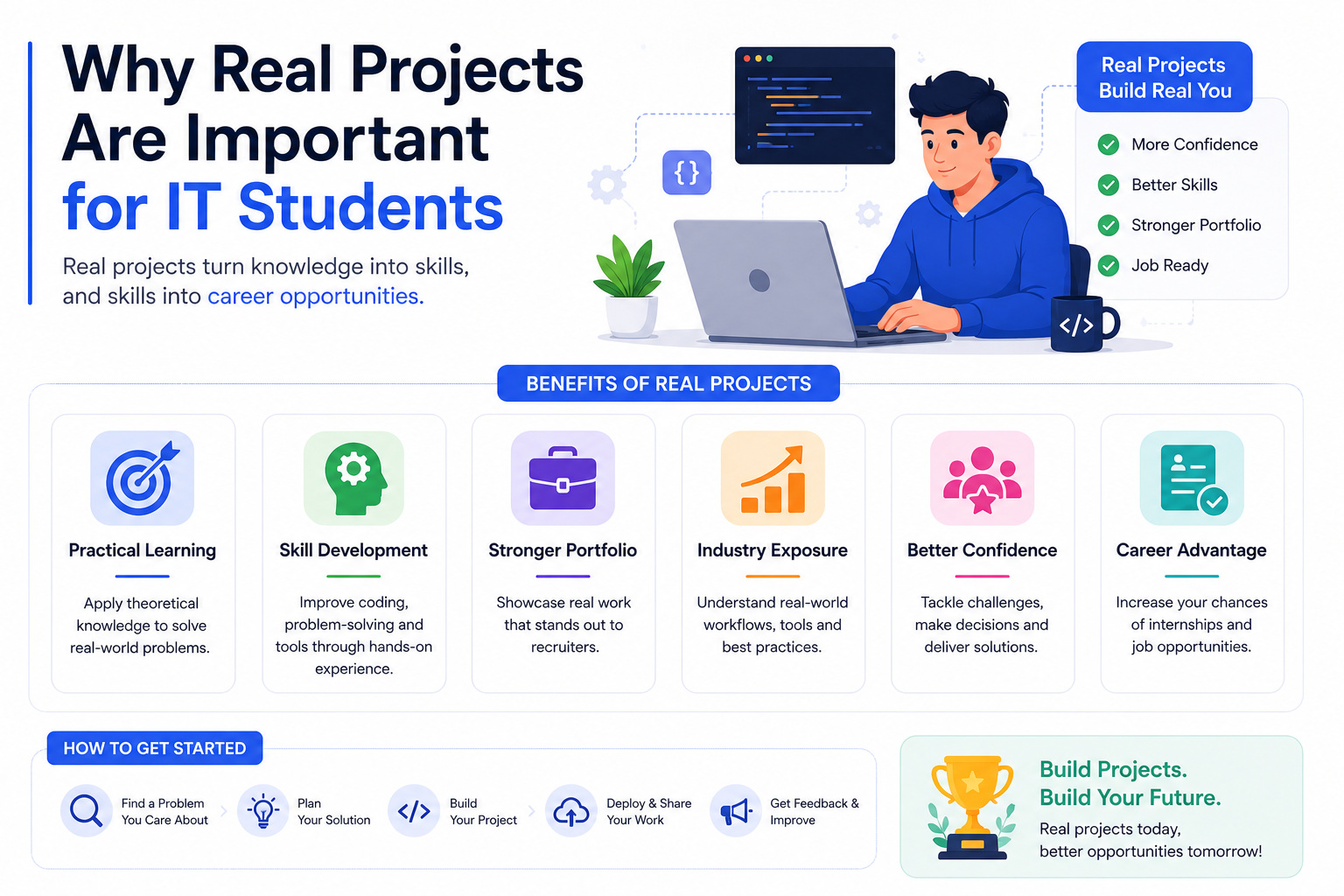
Phase 5: Build Real Projects
Examples:
- E-Commerce Platform
- Student Management System
- Chat Application
- AI Chatbot
Phase 6: Internship Experience
Gain practical industry exposure.
Why Top Companies Focus on DSA
Companies such as:
- Amazon
- Microsoft
- Meta
often evaluate:
- Algorithms
- Data Structures
- Problem Solving
because these skills indicate strong engineering potential.
Why Startups Focus on Development
Startups often prioritize:
- Project Experience
- Framework Knowledge
- Deployment Skills
- Real Product Development
because they need developers who can contribute immediately.
Career Opportunities
Strong DSA Skills Help In
- Software Engineering
- Product Companies
- Competitive Programming
Strong Development Skills Help In
- Full Stack Development
- Backend Development
- Web Development
- Freelancing
Combined Skills Help In
- High-Paying Software Engineering Roles
- Product-Based Companies
- Startups
- Enterprise Development
Common Mistakes Students Make
Ignoring DSA Completely
Leads to weak interview performance.
Ignoring Development Completely
Creates weak portfolios.
Chasing Too Many Technologies
Focus on fundamentals first.
Not Building Projects
Projects demonstrate practical abilities.
Frequently Asked Questions
Should beginners start with DSA?
Beginners should first learn programming basics and then start DSA alongside development.
Can I get a job without DSA?
Possible, but many top companies evaluate DSA extensively.
Can I get a job without projects?
Projects significantly improve employability and practical understanding.
Which is more important?
Neither. Both are essential for a successful software engineering career.
Conclusion
The debate between DSA and Development should not be about choosing one over the other. DSA develops problem-solving skills and technical foundations, while Development teaches students how real software systems are built.
Students who combine programming fundamentals, DSA, projects, development skills, and internships create stronger profiles and enjoy better career opportunities. Instead of asking which one to learn, focus on learning both in a structured and balanced manner.
🌐 Website: https://grootacademy.com
📺 YouTube: https://www.youtube.com/@YourGrootAcademy
📘 Facebook: http://facebook.com/GrootAcademy
📸 Instagram: https://www.instagram.com/groot.academy/
🐦 X: https://x.com/GrootAcademy
💼 LinkedIn: https://www.linkedin.com/company/grootacademy
📌 Pinterest: https://in.pinterest.com/mygrootacademy/