
Introduction to Python in Data Science
Python has emerged as a prominent programming language in the realm of data science and machine learning, boasting a unique combination of simplicity, versatility, and an extensive array of libraries. Its syntax is intuitive, making it accessible for both beginners and experienced professionals, thereby lowering the barriers to entry for aspirants in the field. As a high-level language, Python facilitates the development of complex algorithms and solutions with relative ease, allowing data scientists to focus on extracting insights rather than getting bogged down by intricate coding tasks.
One of the key factors contributing to Python’s popularity in data science is its rich ecosystem of libraries designed specifically for analytical tasks. Libraries such as Pandas and NumPy enable data manipulation and numerical computation efficiently, while Scikit-learn provides a robust framework for implementing machine learning models. These libraries not only streamline the preprocessing and analysis of large datasets but also provide pre-built functionalities that accelerate the development of predictive models. The seamless integration of these libraries allows data scientists to leverage existing tools rather than reinventing the wheel.
Furthermore, Python has a thriving community that continues to grow, fostering collaboration and support among practitioners. This strong community engagement has resulted in the creation of comprehensive documentation, tutorials, and forums where individuals can seek assistance or share knowledge. Such support networks are crucial for data scientists, especially those who are new to the discipline, as they navigate the complexities of data analysis, machine learning algorithms, and statistical modeling.
In summary, Python’s combination of ease of use, community support, and a wealth of libraries makes it an ideal choice for those venturing into data science and machine learning. Its capabilities ensure that users can harness powerful tools to extract meaningful insights from data, ultimately empowering them to make informed decisions in various domains.
Key Libraries and Frameworks for Machine Learning
Python has established itself as a leading language for machine learning, primarily due to its rich ecosystem of libraries and frameworks that facilitate various aspects of data science projects. Among these libraries, TensorFlow, Keras, and PyTorch stand out for their distinctive features and applications in model development and deployment.
TensorFlow, developed by Google, is a powerful open-source framework that provides a comprehensive environment for building machine learning models. Its flexibility allows users to construct complex architectures, ranging from simple linear models to sophisticated deep learning networks. TensorFlow’s ability to run on multiple CPUs and GPUs makes it especially suited for large-scale machine learning tasks, thereby enhancing computational efficiency. It includes robust tools for data visualization and debugging, which are vital for any data scientist aiming to optimize model performance.
Keras serves as an abstraction layer on top of TensorFlow, streamlining the process of building neural networks. It emphasizes user-friendliness and ease of prototyping, making it an excellent choice for beginners and experts alike. With its modular and intuitive API, Keras enables rapid experimentation with different architectures, facilitating a seamless transition from research to production environments. Furthermore, Keras supports a wide variety of backends, providing flexibility in how models are trained and evaluated.
PyTorch, originally developed by Facebook’s AI Research lab, has gained popularity for its dynamic computation graph and ease of debugging. This library is particularly beneficial for projects that require rapid iteration and adjustment, as it allows for modifications on-the-fly. PyTorch also excels in its native support for advanced research projects, making it ideal for those exploring cutting-edge algorithms in machine learning. Together, these libraries equip data scientists with the necessary tools to efficiently train and evaluate their models in diverse applications.
Building Your First Machine Learning Model with Python
Building your first machine learning model with Python can be an exciting and educational experience. In this section, we will guide you through a structured approach to creating a model, leveraging essential tools such as Pandas for data manipulation and Scikit-learn for modeling and evaluation. The first step in this process is data preparation, which is crucial for successful model performance.
Start by importing the necessary libraries. Pandas, a powerful data manipulation library, provides comprehensive functionalities for data exploration and cleaning. Load your dataset into a Pandas DataFrame, which allows you to easily inspect and analyze your data. This step often includes handling missing values, converting data types, and removing outliers to ensure the data’s integrity. Once you have prepared your dataset, explore it using descriptive statistics and visualizations to gain insights and understand patterns.
Next, split the dataset into features and target variables. Features are the independent variables that the model will learn from, while the target variable is what you aim to predict. It’s essential to divide the data into training and testing sets, typically using an 80-20 split. This separation allows the machine learning model to be trained on one subset and evaluated on another, helping to prevent overfitting.
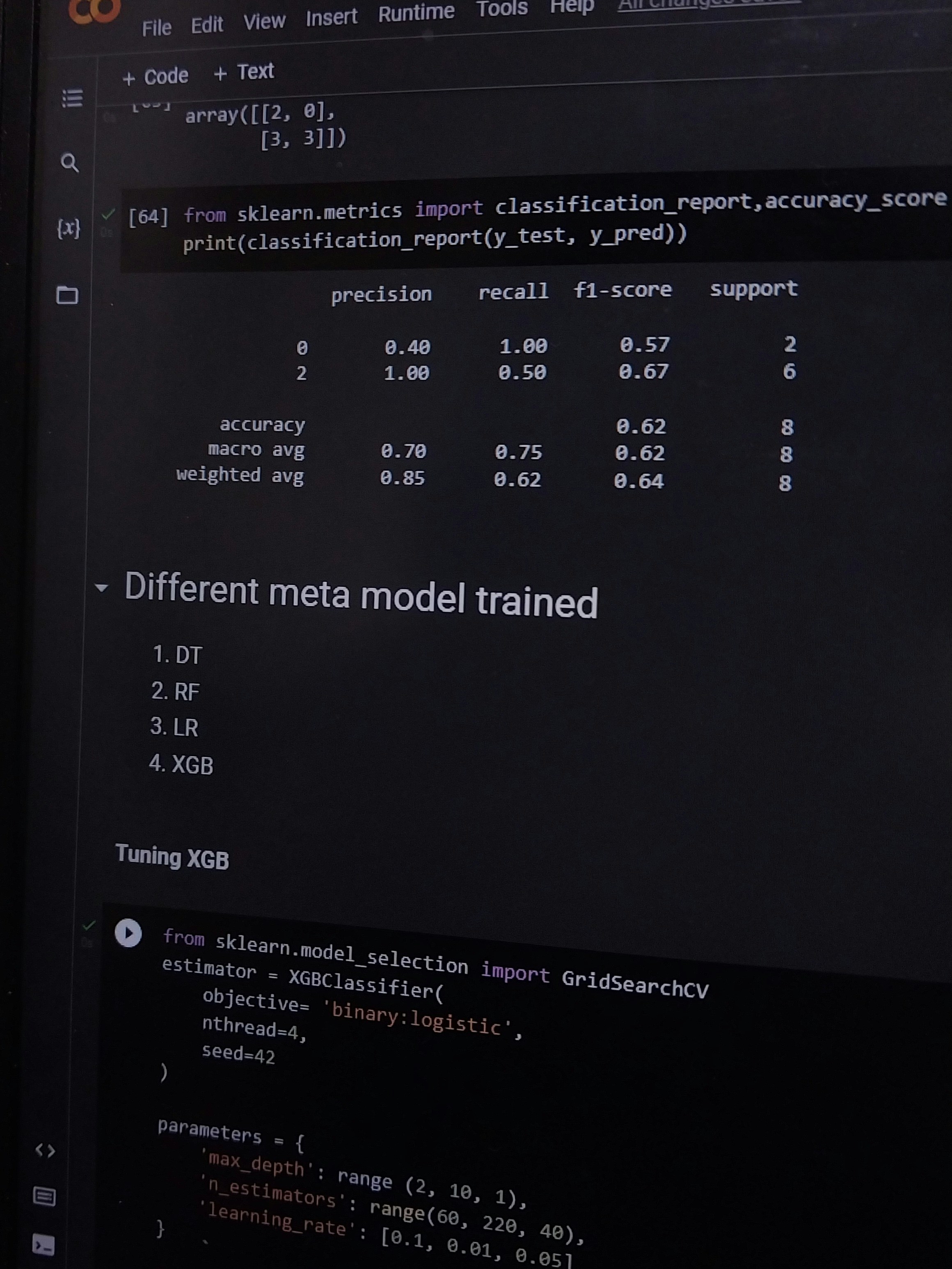
Now, with the data prepared, you can select an appropriate model from Scikit-learn’s extensive library. For beginners, models such as linear regression or decision trees may be suitable options. After choosing a model, train it using the training dataset, and evaluate its performance using the testing set. Metrics such as accuracy, precision, and recall will help assess how effectively the model predicts outcomes.
As you complete this process, you will have successfully built and evaluated your first machine learning model with Python. Exploring additional algorithms and techniques will further enhance your skills, paving the way for more advanced projects in data science.
Future Trends in Python for Machine Learning and Data Science
The landscape of machine learning and data science is rapidly evolving, and Python continues to play a pivotal role in these transformations. One of the emerging trends is the rise of Automated Machine Learning (AutoML). This approach streamlines the process of selecting, training, and optimizing machine learning models, enabling data scientists and even non-experts to generate effective models with minimal manual intervention. Tools such as TPOT and H2O.ai leverage Python to automate certain parts of the machine learning pipeline, making it easier to deploy robust solutions.
Furthermore, Python’s integration with big data technologies is anticipated to gain momentum. As the volume of data continues to grow, the need for efficient processing frameworks becomes essential. Python’s compatibility with frameworks like Apache Spark and Dask allows data scientists to handle large datasets efficiently. This trend signifies a shift toward optimizing the use of Python in combination with big data tools, which can enhance performance and scalability of machine learning applications.
Another significant trend that is shaping the future of Python in the data science realm is the emphasis on ethical considerations in machine learning. As algorithms increasingly drive decision-making processes, the need for responsible AI practices becomes critical. Python libraries such as Fairlearn and AI Fairness 360 are emerging to help developers address bias and ensure transparency in their models. Such trends underline the importance of ethical awareness, allowing practitioners to create fair and equitable solutions in their data-driven projects.
As we look forward, it is clear that Python will continue to evolve, adapting to the evolving needs of data science and machine learning. The blend of automation, integration with big data, and a commitment to ethical standards will not only enhance productivity but also foster trust and reliability in the results generated by machine learning models.